
Canadian police identify 1968 killer of teen Jackie Dunleavy via DNA genealogy
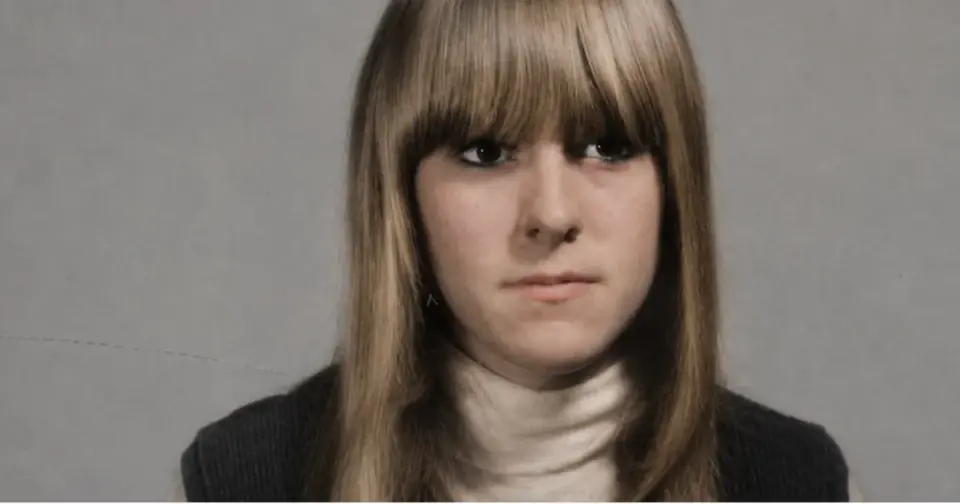
London, Ontario police have solved the 1968 murder of 16-year-old Jackie Dunleavy, identifying Michael Joseph Moore as the killer using forensic genetic genealogy. Moore, an Irish immigrant who died in 2018, cannot be charged, but investigators state the evidence would have supported prosecution had he been alive.
Key points
- Dunleavy was found dead on January 9, 1968, after leaving her shift at a convenience store; strangulation was the cause of death.
- Investigators used preserved biological evidence and Othram Labs' forensic genealogy services to identify Moore, who emigrated from Ireland in 1967.
- Moore, who later became a firefighter captain in London, died in March 2018, precluding criminal charges.
- Police chief Thai Truong emphasized the importance of evidence preservation, noting that 1968 investigators laid the groundwork for this modern breakthrough.
- The case was part of a broader cold-case review, with Moore’s name previously surfacing in the 1997-2001 Project Angel task force but not leading to a suspect identification at the time.
Background
This resolution follows a trend of using advanced DNA genealogy to solve decades-old homicides, similar to recent cases in the US involving the Lake Mead barrel murder and the Tupac Shakur killing. In Canada, this is the 33rd publicly announced case in Ontario solved using Othram’s technology. The Dunleavy case had been revisited by multiple police units, including the Ontario Provincial Police, over several decades before the recent forensic breakthrough.
How outlets are covering it
CBS News and CBC News both highlight the emotional impact on the family and the police chief’s statement about Dunleavy having 'her entire life ahead of her.' CBC provides additional detail on Moore’s career as a firefighter and the reaction from the London Fire Department, noting the 'deeply troubling' nature of the news for staff. RTE.ie focuses on the Irish connection, emphasizing Moore’s emigration from Ireland. DNASolves.com provides a technical overview of the Othram Labs process, noting the collaboration with Toronto Police Service for genealogical research. All sources agree on the timeline and the inability to charge Moore due to his death, but CBC and DNASolves offer more granular details on the investigative timeline and forensic methods.
Why it matters
The case demonstrates the enduring value of preserving forensic evidence and the power of modern genetic genealogy to solve cold cases. It also highlights the ethical complexities of publicly identifying deceased suspects, balancing the need for historical accuracy and closure for victims' families against the inability to pursue justice through the legal system.
What to watch
Police are appealing to the public for any historical information regarding Moore or the incident, hoping that memories from those who knew him may provide further context. The case remains closed legally, but the public identification aims to provide a definitive historical record for the community and Dunleavy’s family.
- Cold case murder mystery solved 58 years after girl found dead: "Had her entire life ahead of her" CBS News
- London, Ont., police solve 1968 murder of teenager Jackie Dunleavy using genetic genealogy CBC
- Irish man identified as murderer of Canadian girl in 1968 RTE.ie
- Former London fire captain identified in 1968 killing of Jacqueline Dunleavy CTV News
- After 58 Years, Jackie Dunleavy's 1968 Ontario Murder is Solved DNASolves.com
Want the full story? Read the original reporting
Read on CBS News