
Decades-old infant remains discovered in freezer during estate cleanup in Spain
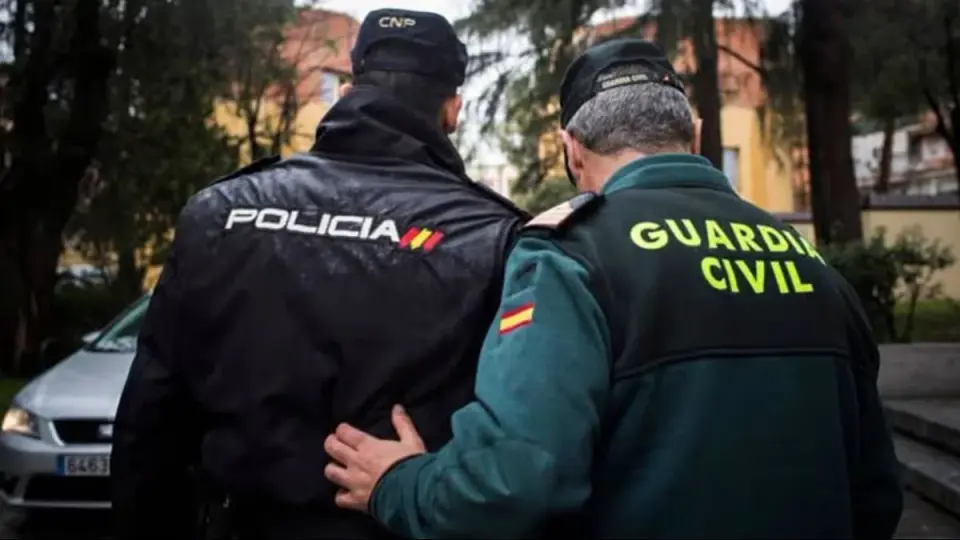
A woman in Allariz, Spain, discovered the remains of a newborn infant inside a chest freezer while clearing out her deceased mother’s belongings. The body, potentially over 20 years old, was found in a storage room in a building garage. The Civil Guard is investigating the circumstances of the death, which may have occurred elsewhere in the province, and is using DNA testing to identify the biological parents. An autopsy is underway to determine if the child was born alive and the cause of death.
Key points
- The infant’s body was found on November 2 in a chest freezer located in a storage area of a residential block in Allariz, Ourense province.
- The discovery was made by a woman sorting through the possessions of her recently deceased mother.
- Preliminary assessments suggest the baby was between 32 and 34 weeks gestation at the time of death and may have breathed.
- Investigators are not ruling out the possibility that the death occurred in another part of the Ourense province before the body was moved to Allariz.
- DNA samples have been sent to a laboratory in Madrid to identify the infant’s biological parents.
- The infant was buried in a local cemetery on November 5 following an initial autopsy.
Background
This case follows a recent trend in high-profile investigations involving human remains hidden in storage or freezers, such as the trial of George Gordon in the UK for allegedly hiding a friend’s body in a freezer for three years. While those cases involved recent crimes, the Allariz discovery highlights the long-term concealment of remains, potentially spanning over two decades. The use of DNA testing to identify biological parents mirrors forensic approaches in other unresolved cases, such as the New Jersey foster care murder investigation, where DNA and surveillance evidence were critical to identifying perpetrators and victims.
How outlets are covering it
Euronews and WKRC both report the core facts of the discovery and the ongoing investigation, but they emphasize different aspects. Euronews highlights the potential age of the remains (over 20 years) and the possibility that the death occurred elsewhere in the province, focusing on the forensic and jurisdictional complexities. WKRC, on the other hand, emphasizes the emotional impact on the community, quoting a neighbor who described the discovery as 'like the script of a horror movie,' and notes the burial of the infant on November 5. Both sources agree on the preliminary findings regarding the infant’s gestational age and the use of DNA testing, but Euronews places more weight on the investigative uncertainty, while WKRC focuses on the community’s reaction and the procedural outcome of the burial.
Why it matters
The discovery of a potentially decades-old infant remains in a residential storage unit raises significant questions about long-term concealment of deaths and the effectiveness of forensic identification in cold cases. The use of DNA testing to identify biological parents could lead to the resolution of a historical case, potentially uncovering a long-unsolved homicide or neglect. The case also underscores the importance of thorough estate cleanups and the potential for uncovering hidden crimes during routine activities. Additionally, the judicial secrecy surrounding the investigation highlights the sensitivity of such cases and the need for careful handling to protect the rights of the deceased and their families.
What to watch
The Civil Guard will continue to investigate the circumstances of the infant’s death, including the possibility that the death occurred elsewhere in the Ourense province. DNA testing results from the Madrid laboratory will be crucial in identifying the biological parents and potentially linking the case to a known individual. The autopsy by the Galician Institute of Legal Medicine will provide definitive information on the cause of death and whether the infant was born alive. The investigation remains under judicial secrecy, and further developments may emerge as new evidence is uncovered.
- Spain: Body of a newborn found in a chest freezer in Allariz Euronews.com
- Woman Finds Body of Baby in Freezer While Clearing Out Late Mother’s Home People.com
- Reports: Woman finds infant's remains while cleaning out late mother's home WKRC
- Woman finds baby in dead relatives' basement freezer as family questioned Chronicle Live
- Baby found in freezer in basement apartment in Spain as Civil Guard launches investigation Wales Online
Want the full story? Read the original reporting
Read on Euronews.com