
Honeymooner Jamie Starbuck Confesses to Killing Wife Days After Wedding, Then Faked Global Travel for Two Years
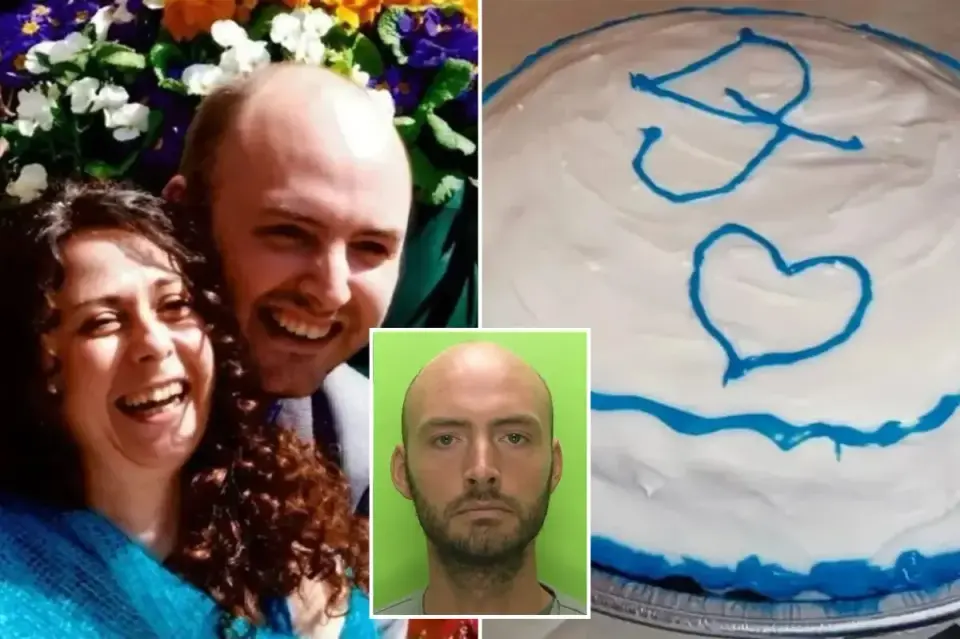
Jamie Starbuck, a UK cleaner, is accused of murdering his wife Debbie Cooper just eight days after their 2010 wedding. He allegedly dismembered and burned her body, then spent two years traveling the world while fabricating emails to her family to maintain the illusion that she was alive. Police arrested him in 2013 after discovering his passport had not left the UK and his financial records showed he had spent her inheritance. Starbuck confessed to the crime and was sentenced to 30 years in prison.
Key points
- Starbuck and Cooper married in 2010 after meeting via a Nottingham MeetUp group in July 2009.
- Starbuck allegedly killed Cooper eight days after the wedding, dismembering her body and burning it.
- He left the UK shortly after the murder, using $123,000 from Cooper’s inheritance to travel to 32 countries.
- Starbuck maintained the fiction of their joint trip by sending emails to Cooper’s family, some of which were later identified as authored by him.
- Friends noticed discrepancies, such as Starbuck’s blog posts excluding Cooper and location mismatches between his tweets and her emails.
- Police arrested Starbuck at Heathrow Airport in January 2013 after tracking his bank account and finding an unsent confession email on his laptop.
Background
This case highlights the long-term impact of 'no body' murder investigations, where victims are presumed dead but their remains are never found. The investigation relied heavily on forensic linguistics to analyze the emails sent to Cooper’s family, which revealed inconsistencies in voice and content. The case also underscores the role of social media and digital footprints in uncovering crimes, as Starbuck’s blog and social media posts contradicted the narrative he presented to Cooper’s relatives. The archive articles do not provide direct background on this specific case but illustrate the broader context of high-profile criminal investigations and the use of technology in law enforcement.
Why it matters
The case demonstrates how perpetrators can manipulate digital communications to conceal crimes for extended periods, challenging traditional investigative methods. It also highlights the importance of forensic linguistics and financial tracking in solving 'no body' cases. The emotional toll on the victim’s family, who believed they were communicating with a living relative for nearly three years, underscores the psychological impact of such deceptions. The case serves as a reminder of the potential for domestic violence to escalate to extreme measures and the critical role of community vigilance in reporting suspicious behavior.
What to watch
There are no immediate next steps reported in the sources, as the case concluded with Starbuck’s sentencing in 2013. The focus remains on the long-term impact on Cooper’s family and the broader implications for how law enforcement handles cases involving digital deception and missing persons.
Want the full story? Read the original reporting
Read on New York Post