
Kenya sentences cult leader Paul Mackenzie to 200 years for 191 starvation deaths
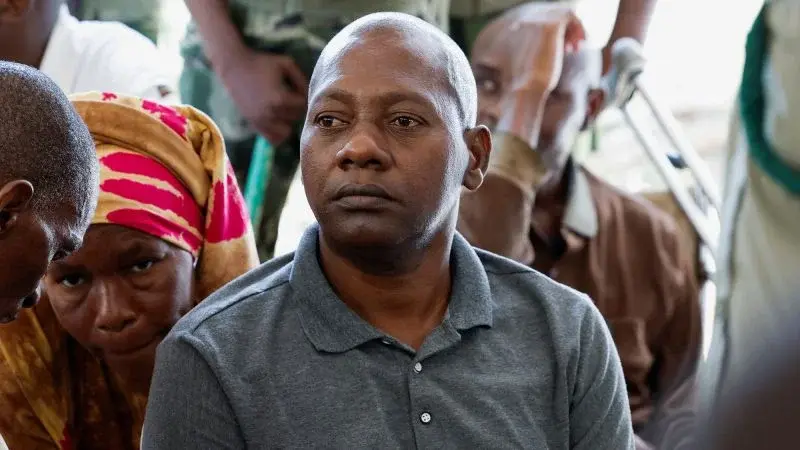
Paul Mackenzie, the founder of the Good News International Church, was sentenced to 200 years in prison by a Kenyan court for the murder of 191 people, including 190 children. The conviction stems from a campaign of forced fasting and abuse in Shakahola Forest, where followers were told starvation would allow them to meet Jesus. While prosecutors sought the death penalty, the court imposed a lengthy prison term, acknowledging the organized nature of the killings but noting that over 400 bodies were exhumed from the site.
Key points
- Mackenzie received 100 years for starvation deaths and 100 years for direct homicides, totaling 200 years.
- The court found that 183 victims died from starvation, while eight children were killed through suffocation, strangulation, or beating.
- Mackenzie and 28 co-accused were convicted on October 19, 2026, with sentencing delivered on November 6, 2026.
- Prosecutors requested the death penalty for Mackenzie and life imprisonment for his associates, but the court opted for long prison terms.
- Over 400 bodies have been exhumed from Shakahola Forest, but only 191 are covered by this specific conviction.
Background
In October 2026, Mackenzie and 28 associates were found guilty of 191 murders in Mombasa. The case follows the 2023 discovery of mass graves in Shakahola Forest, which drew international attention and prompted a presidential commission of inquiry. Previous arrests in 2017 and 2019 failed to prevent the cult's activities, which continued until a rights group alerted authorities in 2023.
How outlets are covering it
CNN and BBC emphasize the judicial process, noting that prosecutors sought the death penalty but the court imposed 200 years. CBS News highlights the 'cold and calculated' nature of the killings and the lack of remorse shown by Mackenzie, who smiled during sentencing. All sources agree that the 191 convictions do not account for the total 429 exhumed bodies, with further charges pending for terrorism and child abuse. BBC notes that the case exposed a lack of oversight in religious activities, while CBS points to the failure of local authorities to act swiftly.
Why it matters
The sentencing marks a significant legal milestone in Kenya's handling of religious extremism and mass violence. It highlights the limitations of the justice system in addressing cult-related atrocities, as the 200-year sentence falls short of the death penalty sought by prosecutors. The case also underscores the need for better oversight of religious organizations and the protection of vulnerable communities from radicalization.
What to watch
Mackenzie faces additional trials for terrorism, child abuse, and torture in separate courts. Investigations into the remaining exhumed bodies continue, with authorities working to identify the deceased. The case may lead to further legal actions against other cult leaders and a review of religious oversight policies in Kenya.
- Kenyan cult leader sentenced to 200 years in prison over the deaths of 190 children CNN
- Doomsday cult leader sentenced to 200 years in prison for murders of 190 children, 1 adult in Kenya CBS News
- Kenyan cult leader sentenced to 200 years in prison for murder of 190 children Reuters
- Shakahola deaths: Kenya court doomsday cult leader Paul Mackenzie sentenced to 200 years in prison BBC
- Cult in the forest, Chapter 2: The blind spots that allowed Mackenzie to kill Daily Nation
Want the full story? Read the original reporting
Read on CNN