
Kenyan Court Sentences Paul Mackenzie to 200 Years for 191 Cult-Related Deaths
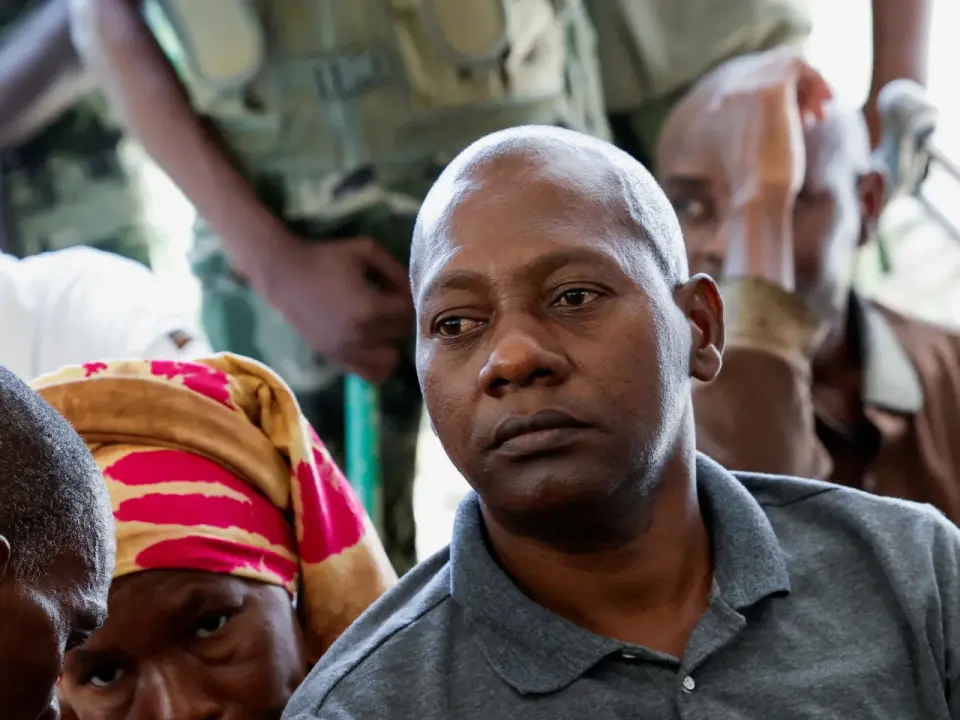
Paul Mackenzie, leader of the Good News International Church, was sentenced to 200 years in prison by a Kenyan court for the murder of 191 people, including 190 children. The sentence, delivered on November 6, 2026, follows his conviction on October 19 for ordering followers to starve themselves to death to reach heaven. While prosecutors sought the death penalty, Justice Diana Kavedza imposed 100 years for murder by starvation and 100 years for direct homicide. The case stems from the discovery of over 400 bodies in Shakahola Forest in 2023, exposing a systemic failure in religious oversight and law enforcement.
Key points
- Mackenzie received a 200-year sentence, split between 100 years for starvation-related murders and 100 years for direct homicides, rejecting the prosecution's request for the death penalty.
- The court convicted Mackenzie and 28 accomplices on October 19, 2026, for 191 murders, though over 400 bodies were exhumed from the Shakahola Forest site in 2023.
- Justice Kavedza described the killings as 'cold and calculated,' noting that the deaths resulted from an organized system of religious directives and enforced fasting.
- Mackenzie, who smiled during sentencing, had previously denied forcing victims to starve, claiming followers acted voluntarily, a defense the court rejected.
- The case highlighted systemic failures, including local officials ignoring the cult's activities and Mackenzie's prior arrests in 2017 and 2019 without sustained prosecution.
Background
The Shakahola tragedy emerged in 2023 when authorities discovered over 400 bodies in shallow graves in Shakahola Forest, southeastern Kenya. Mackenzie had established the Good News International Church in 2003, preaching that starvation would allow followers to meet Jesus. The site, an 800-acre ranch in Kilifi County, operated in isolation from local communities. Investigations revealed that Mackenzie had been arrested twice previously but released, and that local authorities had failed to detect the group's activities despite growing concerns. The scale of the disaster prompted President William Ruto to establish a commission of inquiry, though it was later declared unconstitutional.
How outlets are covering it
Al Jazeera emphasized the specific breakdown of the sentence, noting 100 years for starvation and 100 for direct homicide, and highlighted Mackenzie's demeanor during the hearing. BBC focused on the broader systemic failures, citing the Kenya National Commission on Human Rights findings that local officials ignored the cult's activities, and noted that prosecutors sought the death penalty due to Mackenzie's lack of remorse. CBS News detailed the physical evidence, including post-mortem results showing starvation, suffocation, and head injuries, and noted that Mackenzie faces additional charges for terrorism and child abuse in other courts. All sources agreed on the 191 convicted victims but noted the discrepancy with the over 400 exhumed bodies, highlighting the unresolved nature of the full death toll.
Why it matters
The sentencing of Paul Mackenzie marks a significant legal milestone in Kenya's response to religious extremism and cult-related violence. The case underscores the need for stricter oversight of religious organizations and improved law enforcement responsiveness to community concerns. It also highlights the ongoing challenges in addressing mass graves and unidentified victims, as many bodies remain unclaimed. The verdict may influence future regulations on religious groups and the prosecution of similar cases in the region.
What to watch
Mackenzie and his accomplices will serve their prison sentences, with Mackenzie facing additional trials for terrorism, radicalization, and denying education to children. Investigations into the remaining unidentified bodies and the full death toll are expected to continue. The case may prompt further legislative changes in Kenya regarding the regulation of religious organizations and the protection of children from cult influence.
- Kenyan court sentences starvation cult leader to 200 years Al Jazeera
- Paul Mackenzie: Kenya doomsday cult leader sentenced to 200 years in prison for Shakahola deaths BBC
- Kenyan cult leader sentenced to 200 years in prison for mass starvation murders of children Reuters
- Cult Leader in Kenya Sentenced to 200 Years in Prison for Mass Murder The New York Times
- Doomsday cult leader sentenced to 200 years in prison for murders of 190 children, 1 adult in Kenya CBS News
Want the full story? Read the original reporting
Read on Al Jazeera