
Agatha Christie's Baghdad Home Remains in Ruin Despite Government Offer to Restore
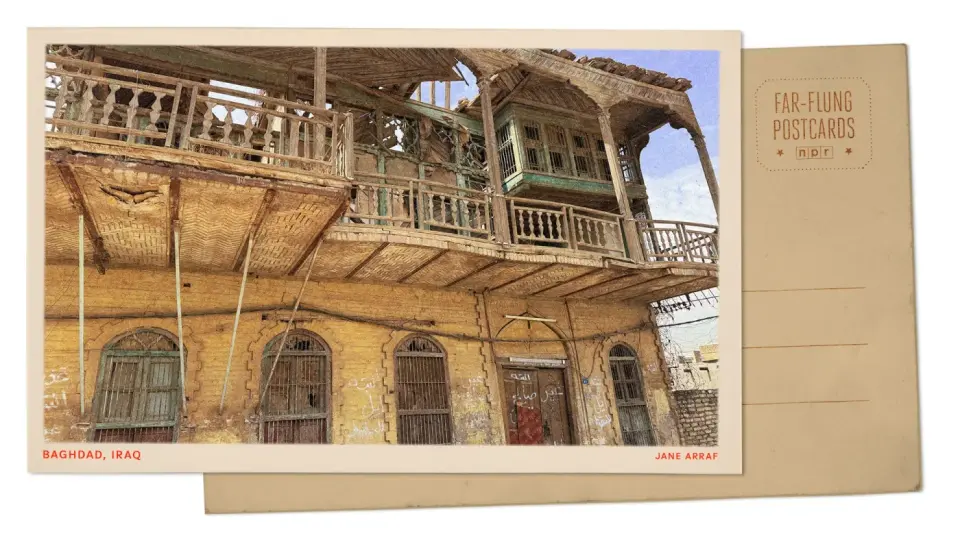
The former Baghdad residence of Agatha Christie, located on the Tigris River, is currently in a state of severe disrepair. Controlled by Iraq's culture ministry, the property is padlocked and structurally failing. The government has expressed willingness to hand the site over to any party willing to undertake its restoration, yet no action has been taken. A recent visit revealed a $200 electricity bill stuffed into a hole in the door, highlighting decades of unpaid costs. Christie visited Iraq frequently, including a 1930 trip where she met her husband, Max Mallowan, and set two novels in the country.
Key points
- The house is a heritage property managed by Iraq's culture ministry and is currently padlocked and deteriorating.
- The Iraqi government has stated it is willing to make the property available to anyone who will restore it.
- A $200 electricity bill was found stuffed into a hole in the door during a recent visit, indicating long-standing unpaid bills.
- Agatha Christie made numerous trips to Iraq, including a 1930 visit where she met archaeologist Max Mallowan.
- Two of Christie's novels, 'They Came to Baghdad' and 'Murder in Mesopotamia', are set in Iraq.
Background
This situation occurs as Agatha Christie's legacy continues to grow fifty years after her death, with approximately 2 billion copies of her works sold globally. This enduring popularity has driven a surge in screen adaptations and major exhibitions, such as one at the British Library. The decay of her former home in Baghdad contrasts with the renewed commercial interest in her literary estate.
Why it matters
The condition of this heritage site highlights the challenges in preserving cultural landmarks in Iraq. The government's offer to transfer the property to a restorer suggests a desire to preserve the site, but the lack of action indicates potential bureaucratic or financial hurdles. The unresolved status of the property, evidenced by the unpaid electricity bill, underscores the gap between policy and implementation in heritage conservation.
What to watch
The Iraqi government may seek a private or institutional partner to restore the property. If no one steps forward, the building may continue to deteriorate. The culture ministry could also face pressure to address the outstanding utility bills or find alternative funding for preservation.
Want the full story? Read the original reporting
Read on NPR