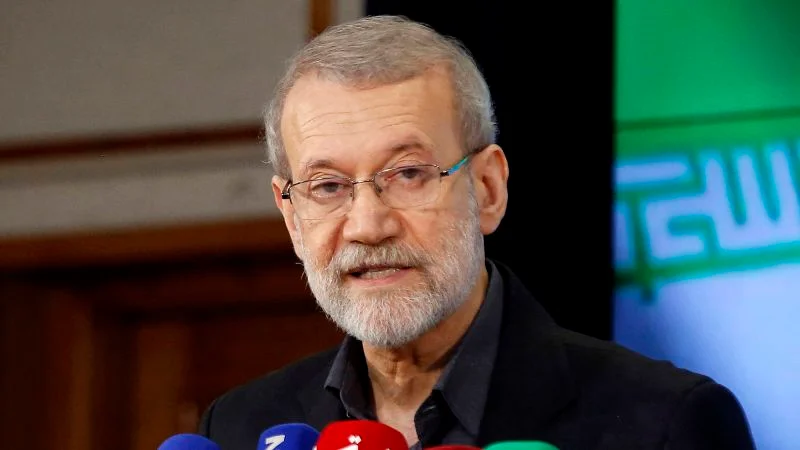
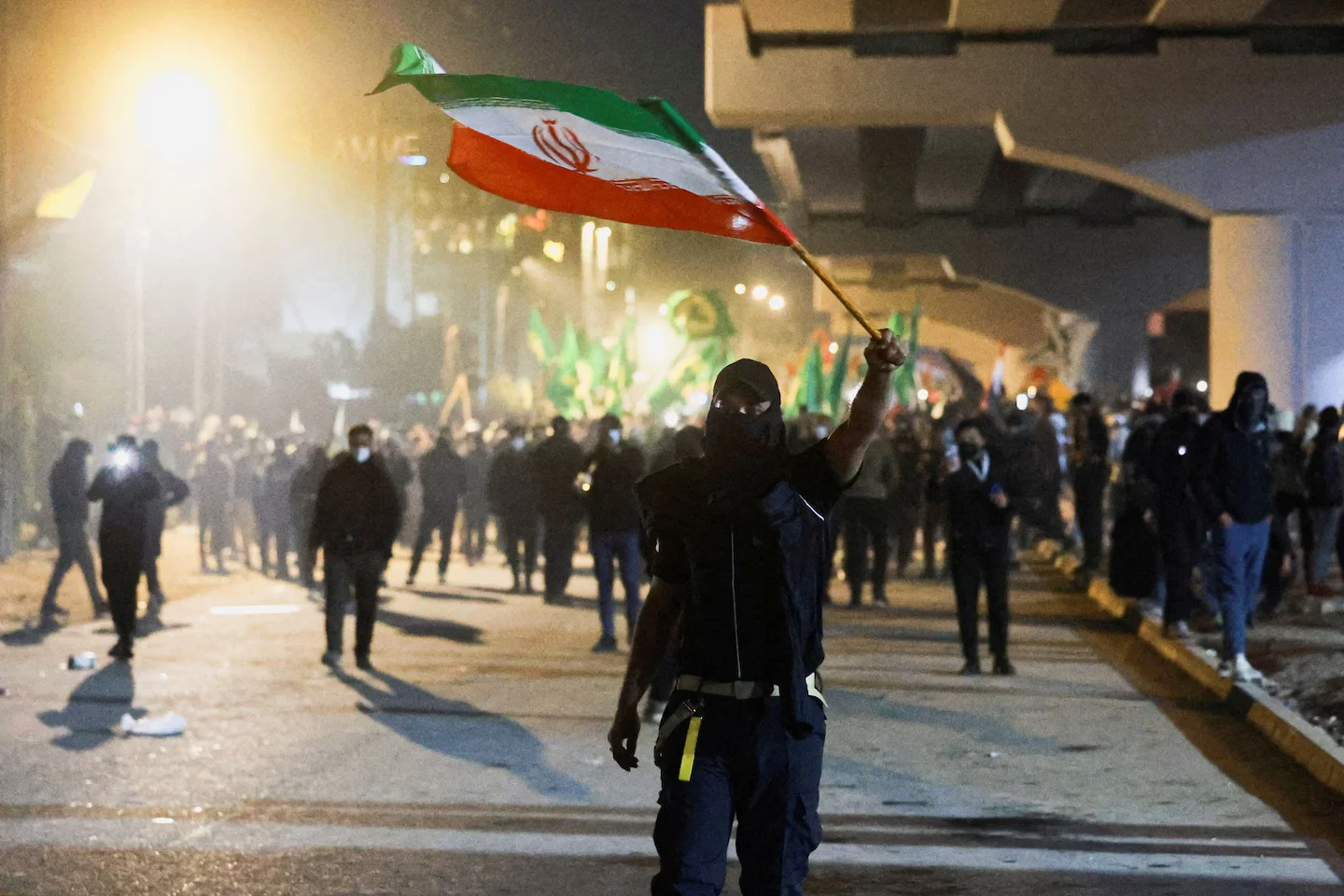
Iranian Foreign Minister Abbas Araghchi travels to Iraq to reaffirm Tehran's partnership and discuss bilateral and regional developments, as Baghdad rumors of a Green Zone raid surface and US pressure to curb Iranian-backed militias intensifies.
An unnamed foreign journalist was kidnapped in Baghdad by unknown attackers; Iraq's Interior Ministry says one suspect has been arrested and a vehicle seized as security forces pursue those involved, with ongoing efforts to locate and secure the journalist's release; CPJ and Reporters Without Borders have urged swift action and accountability.
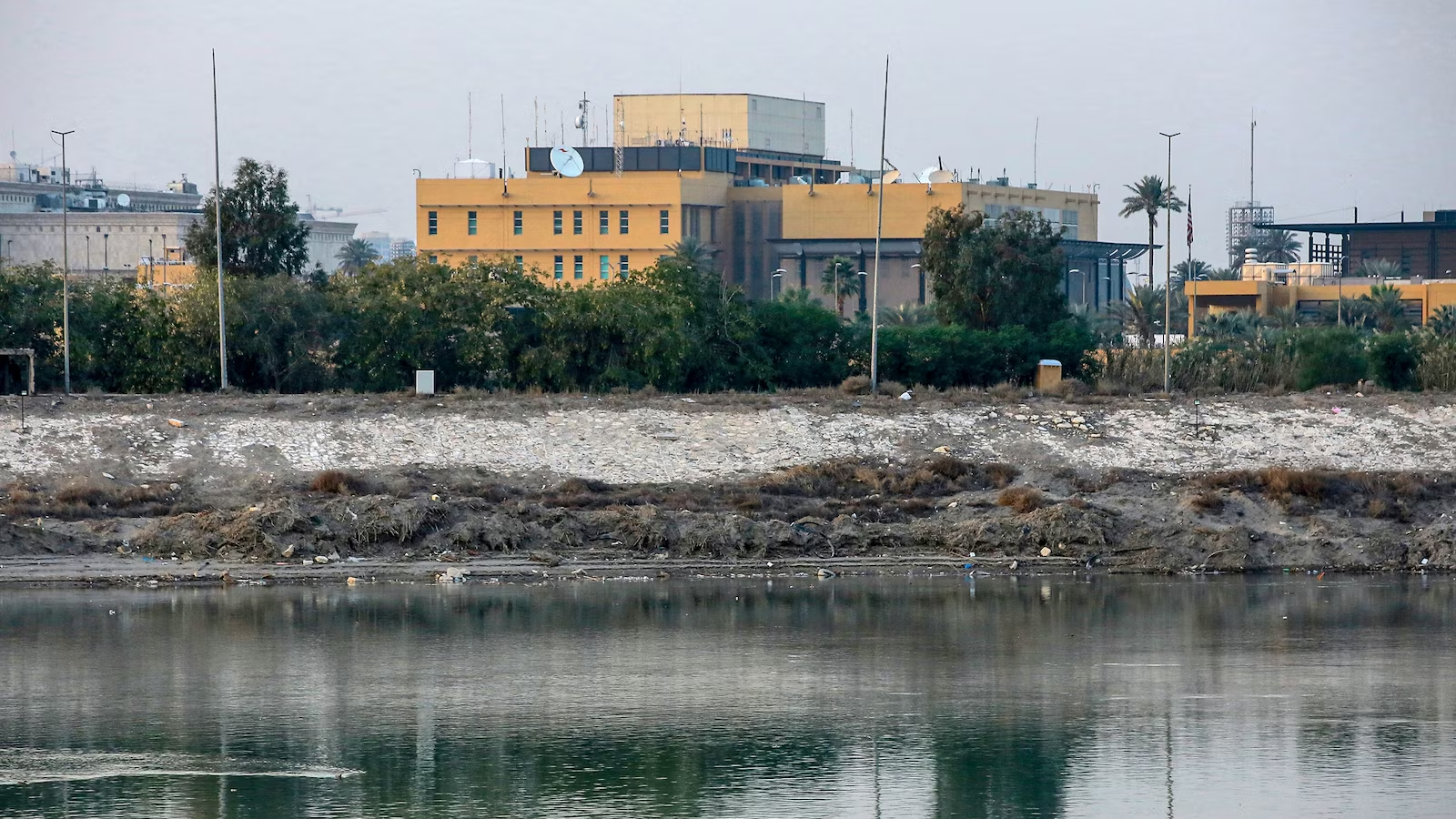
Oil prices surged as Iran escalated attacks on Gulf energy infrastructure and warned Hormuz could not return to prior security; Israel announced killings of senior Iranian leaders and conducted strikes, while the US embassy in Baghdad faced incoming threats protected by a high-rate defense system amid ongoing regional hostilities, with travel disruptions and market volatilityEchoing across Asia and the Gulf.
After a missile strike on the U.S. Embassy in Baghdad, Americans are urgently told to leave Iraq. The embassy posted guidance urging enrollment in STEP, staying in touch with loved ones, keeping travel documents accessible, and monitoring official updates, while advising to avoid debris and prepare essentials. Casualties and full extent of damage were not immediately confirmed as tensions linked to Iran continue.
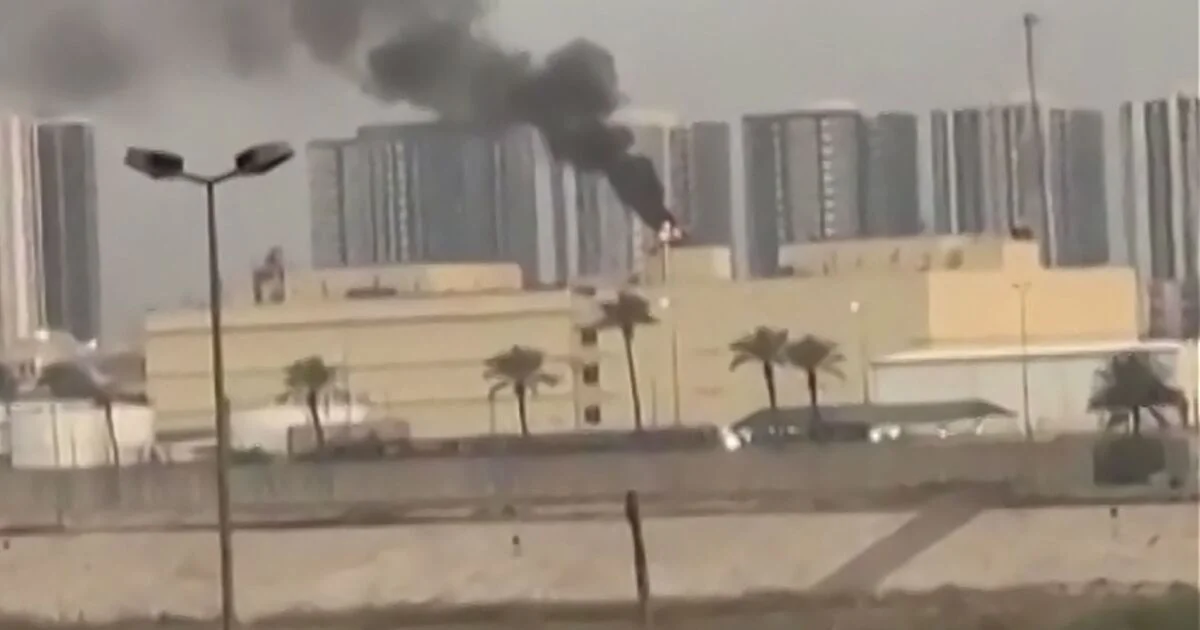
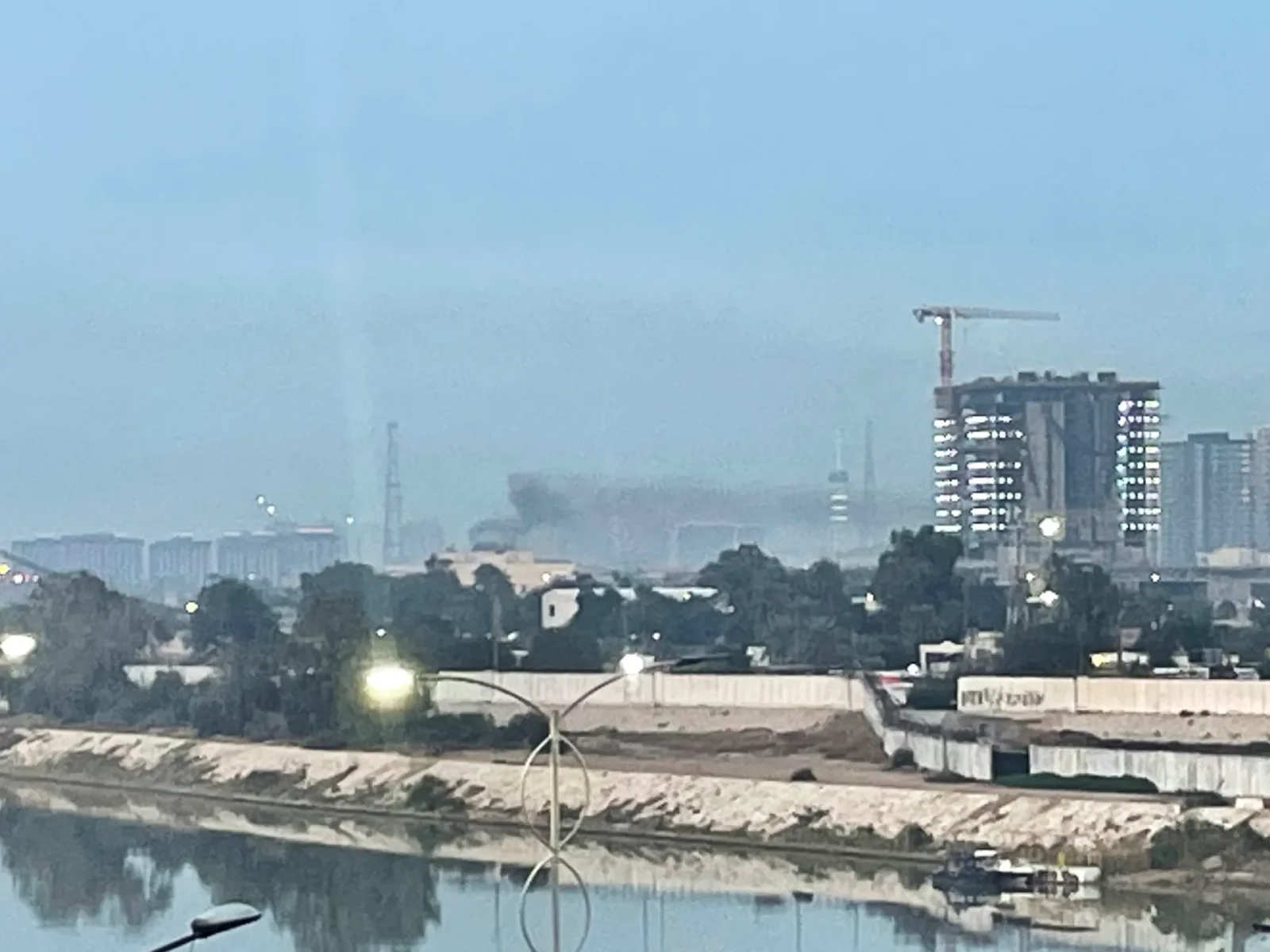
A missile hit a helipad inside the U.S. Embassy in Baghdad’s Green Zone, causing smoke and damage with no immediate word on casualties; security officials said the strike damaged part of the air defense system, and Iran-aligned groups in Iraq have long threatened US facilities, though there was no immediate claim of responsibility as the broader US-Israel war on Iran continues and security alerts have been renewed.
A drone attack hit a major U.S. diplomatic facility in Baghdad, suspected retaliation by pro-Tehran militias amid regional tensions tied to the U.S.- and Israeli-led war on Iran.
The U.S. State Department has ordered the departure of nonessential staff from its Baghdad embassy due to increased security risks amid rising tensions in the Middle East, with military dependents also authorized to leave the region, reflecting heightened concerns over regional stability.
The US is reducing nonessential personnel at its Baghdad embassy and other regional locations amid rising tensions in the Middle East, particularly related to Iran's nuclear program and ongoing diplomatic impasses, with concerns about potential escalation and instability.
The US used a modified Hellfire missile, known as the "flying Ginsu," equipped with six long blades to kill a senior Kataib Hezbollah official in Baghdad. The strike, which targeted the commander of Syrian operations, was in retaliation for a drone attack that killed three US soldiers. The missile's distinctive feature is its lack of collateral damage or burn marks, making it suitable for targeted assassinations in urban settings. The use of the "Ginsu" has fueled calls for a US troop withdrawal from Iraq and has been previously deployed in Afghanistan, Yemen, Libya, Syria, and Somalia.
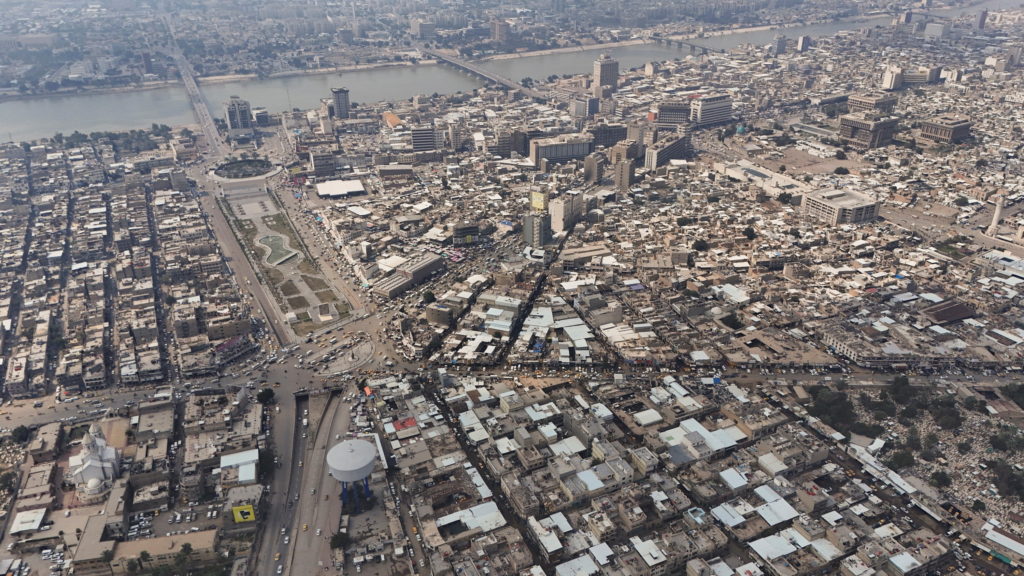
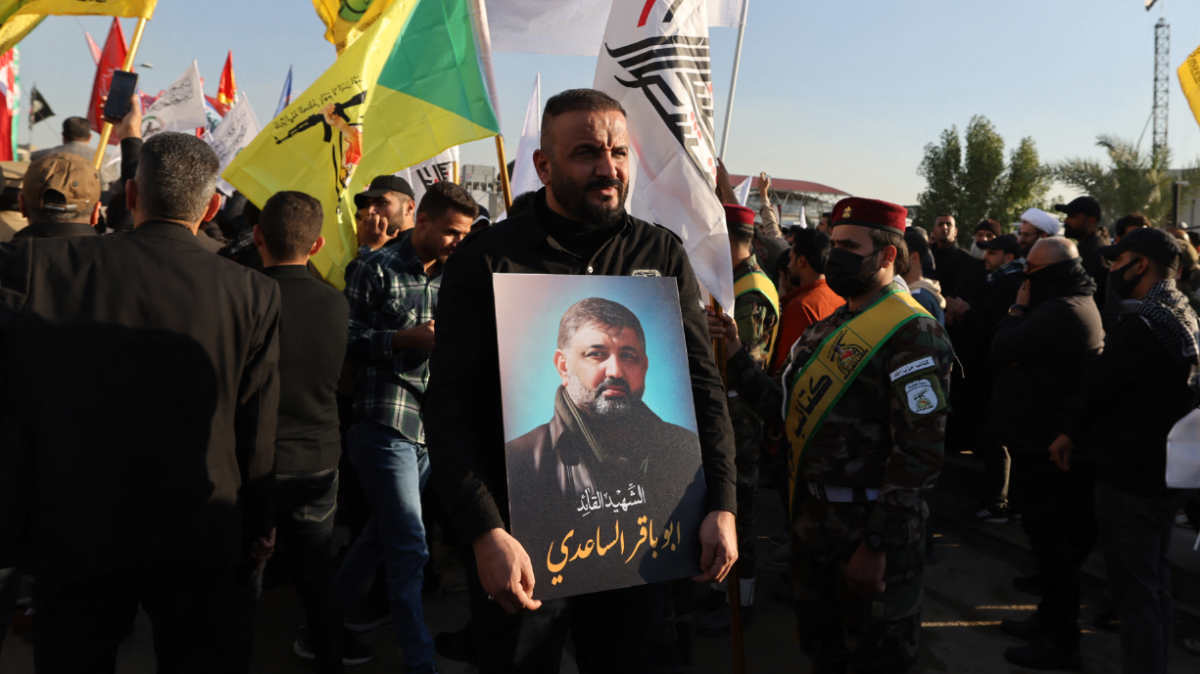
The Pentagon used a modified Hellfire missile with six long blades to kill a Kataib Hezbollah leader in downtown Baghdad, aiming to minimize civilian casualties. The weapon, known as "the flying Ginsu," was used to target Abu Baqr al-Saadi, the leader of Kataib Hezbollah in Syria.
The US conducted a drone strike in Baghdad, killing the commander of an Iran-backed militia and two other members, in response to a previous attack on an American base. Meanwhile, the Quebec Court of Appeal ruled that asylum seekers in the province can access subsidized daycare, and two individuals pleaded guilty to manslaughter in a Cape Breton killing. Additionally, the Biden administration aims to tighten sanctions on Iran's oil sales to counter its support for militants, but faces challenges due to potential economic impacts and upcoming elections.
Baghdad has warned that the US presence in Iraq is at risk after American air strikes targeted Iran-backed militia groups in the country. The strikes were in response to recent rocket attacks on US and coalition forces in Iraq. The Iraqi government condemned the US strikes as a violation of its sovereignty and warned that such actions could lead to a dangerous escalation in the region.
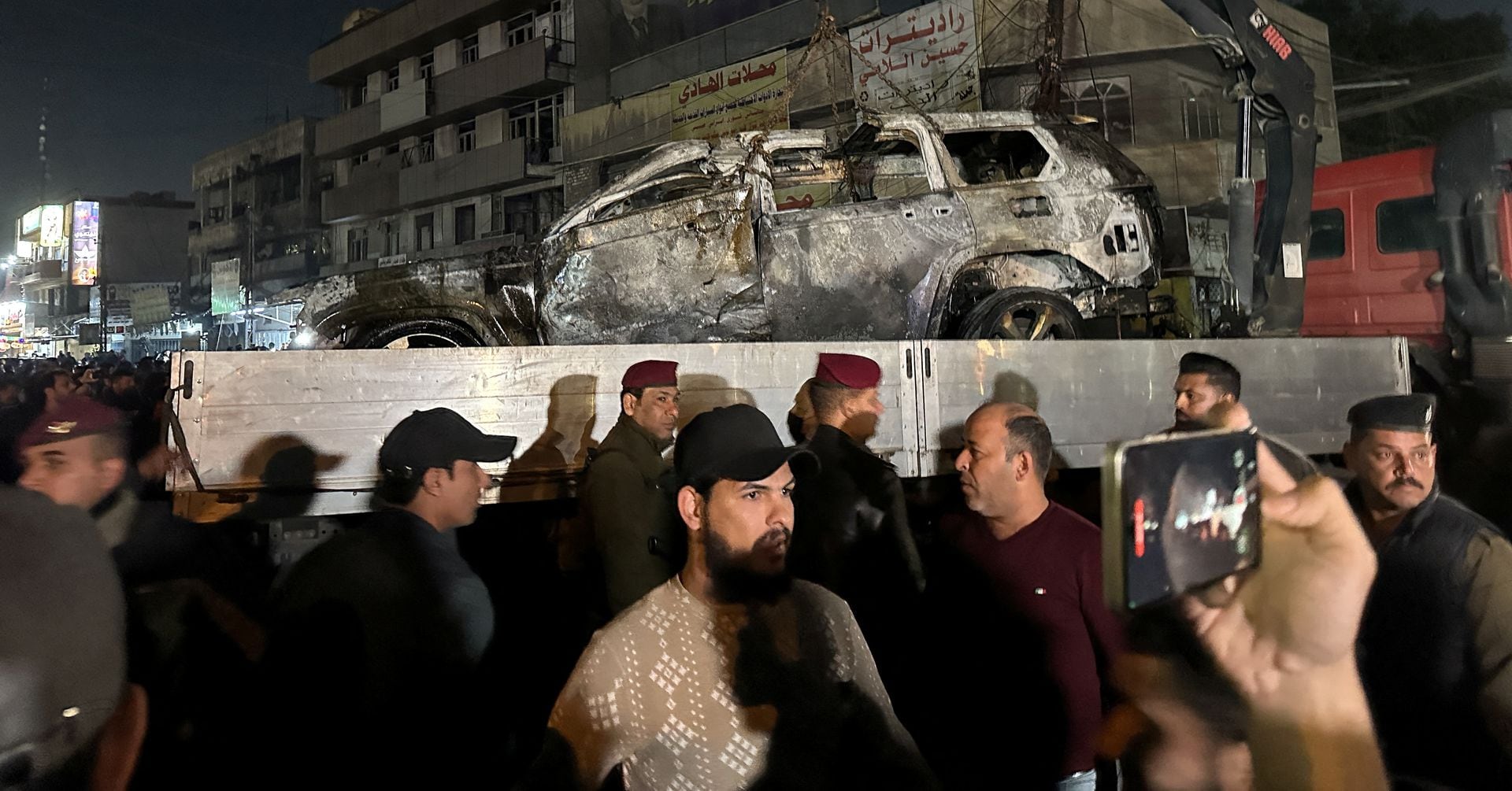
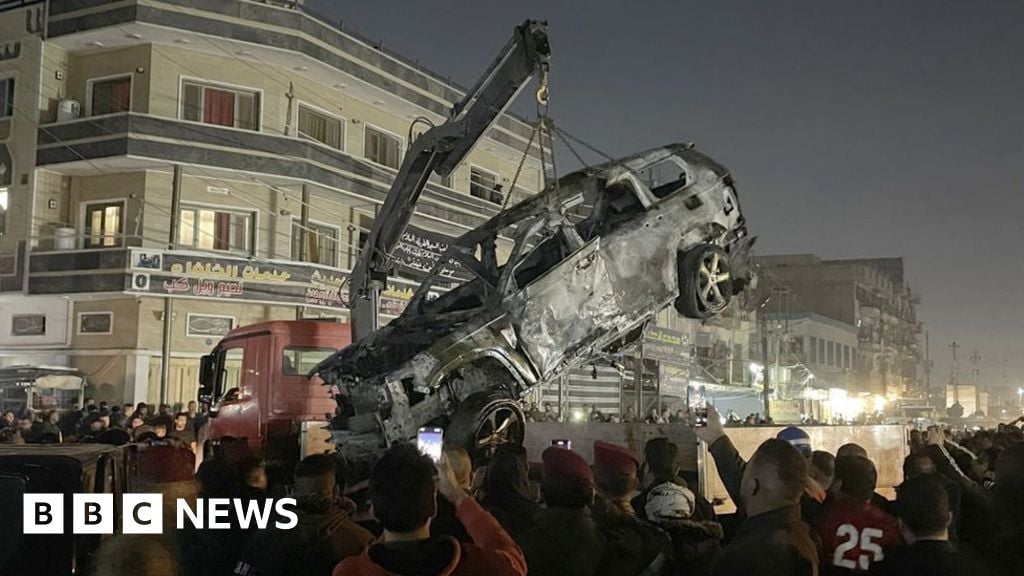
A commander from the Iran-backed armed group Kataib Hezbollah in Iraq was killed in a U.S. strike in Baghdad, with the U.S. military stating that the strike was in response to attacks on U.S. troops. The commander, Abu Baqir al-Saadi, was reportedly killed in a drone strike, and the targeted vehicle was associated with Iraq's Popular Mobilization Forces (PMF), a state security agency with ties to Iran. Tensions between Iran-backed groups and U.S. forces in the region have escalated, with near daily tit-for-tat attacks, and the U.S. recently conducted strikes in Iraq and Syria in response to the killing of three U.S. soldiers.
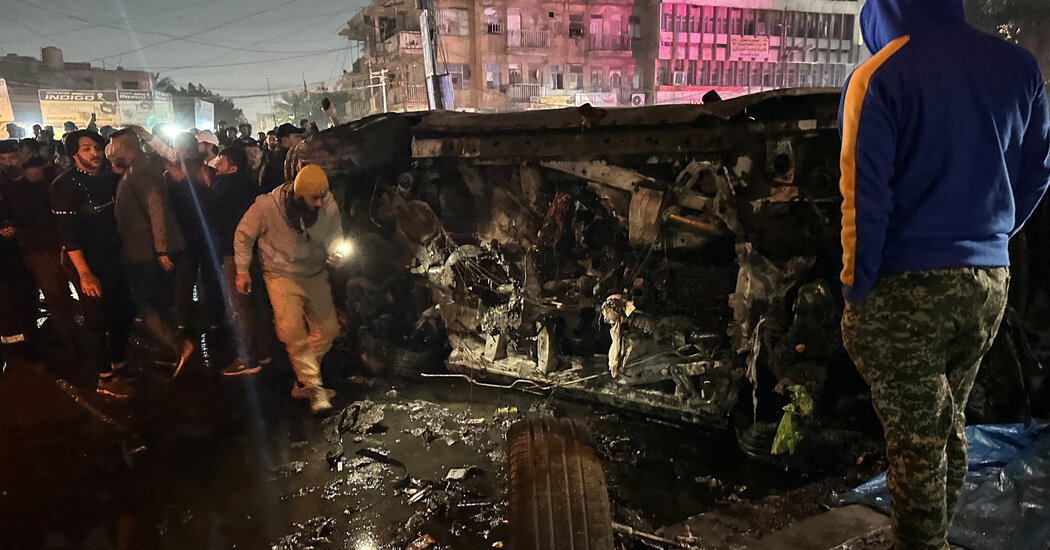
A U.S. retaliatory strike in Baghdad killed a senior leader of Kata’ib Hezbollah, the militia blamed for recent attacks on American personnel, including one in Jordan that killed three Americans. The Pentagon confirmed the strike, stating that the targeted commander had been tracked by American intelligence officials. Both Kata’ib Hezbollah and Iran’s Revolutionary Guard Corps confirmed the deaths of two commanders in the strike, which left a vehicle in eastern Baghdad destroyed. The U.S. reserved the right to strike other Shiite militia leaders and commanders in response to attacks on American troops in the region.
A US drone strike in Baghdad has killed a senior commander of the Iran-backed militia Kataib Hezbollah and two of his guards, with the Pentagon stating that the leader was responsible for directing attacks on American forces in the region. The strike, which occurred in a busy street, resulted in the fiery wreck of the targeted vehicle. This comes after the US launched 85 strikes in Syria and Iraq in retaliation for a drone attack that killed three US troops last month, signaling a major escalation in the US response and prompting calls for retaliation from Iraqi militias.