
Liberia Marks Thanksgiving with Church Services and Family Feasts
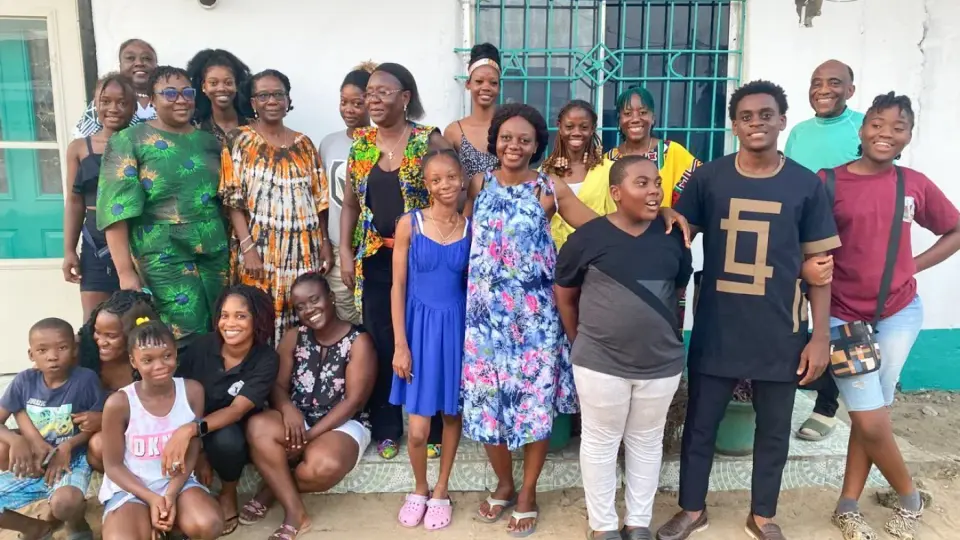
Liberia celebrates Thanksgiving on the first Thursday of November, a tradition rooted in the 19th-century arrival of American settlers. The holiday, established as a national observance in 1883, blends religious gratitude with family gatherings, featuring meals of chicken, jollof rice, and stews rather than turkey. It is observed by people of all faiths, including Muslims and Christians, as a time to give thanks for freedom, unity, and harvest.
Key points
- Liberian Thanksgiving is held on the first Thursday in November, distinct from the U.S. holiday in late November.
- The tradition was introduced by settlers of the American Colonization Society in the early 19th century and officially became a national holiday in 1883.
- The 1883 designation followed a prayer by President Alfred Francis Russell for protection against British territorial incursions, linking the holiday to national sovereignty and divine protection.
- Celebrations typically begin with church services and include family gatherings outdoors, often under trees, due to large group sizes.
- Meals feature fried, smoked, or roasted chicken, jollof rice, watermelon, pineapple, and various stews, including one made with sweet potato leaves and snails, rather than turkey.
- The holiday is inclusive of all religious groups, with Muslims attending mosques and Christians attending churches, as noted by YouTuber Sekou Muhammad Sheriff.
Background
Liberia, Africa's oldest continuously independent republic, was established in 1822 by the American Colonization Society for freed and free-born African Americans. The country declared independence in 1847. The Americo-Liberians, descendants of these settlers, controlled the nation's politics until a 1980 coup. Liberia later experienced two devastating civil wars (1989-1997 and 1999-2003) that killed approximately 250,000 people. The current president is Joseph Boakai, and English is the official language. The transplanted Thanksgiving tradition reflects the cultural legacy of the original settlers, who brought American customs to the new colony.
Why it matters
The story highlights how cultural traditions can be transplanted and adapted across continents, illustrating the enduring influence of 19th-century American colonization efforts on West African national identity. It also underscores the role of shared holidays in fostering unity and gratitude among diverse religious and social groups in post-conflict societies.
What to watch
Liberians will continue to observe Thanksgiving annually on the first Thursday in November, maintaining the tradition of religious services, family gatherings, and traditional meals as a national holiday.
Want the full story? Read the original reporting
Read on NPR