
Matt Haig champions reading as mental health tool at Cheltenham Literature Festival
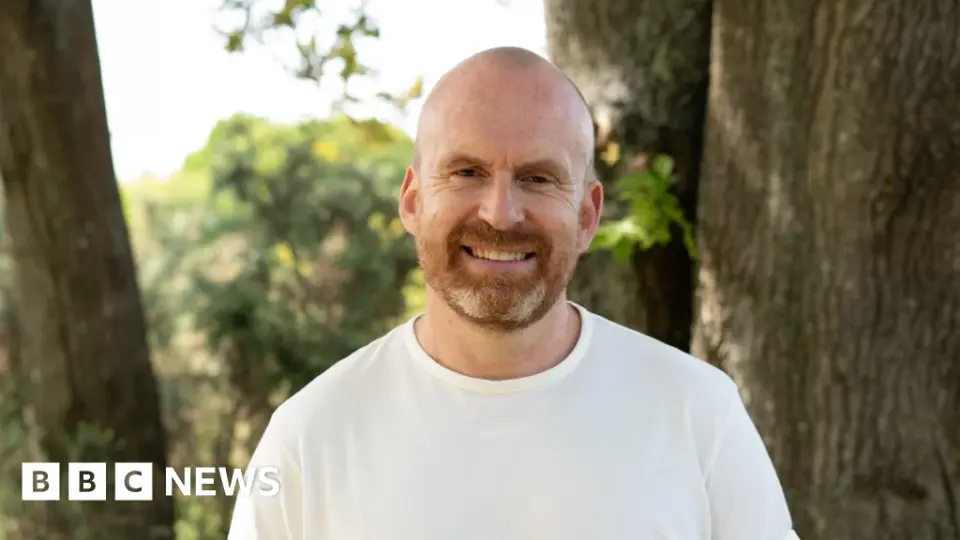
Author Matt Haig spoke at the Cheltenham Literature Festival on World Mental Health Day, arguing that books offer a 'magical' and non-demanding form of support for those struggling with mental health. Haig, who has ADHD and previously suffered from depression, shared how reading childhood classics like Winnie the Pooh helped him during a breakdown. He criticized societal 'snobbery' around reading, advocating for all formats, including graphic novels and audiobooks, as valid ways to find joy and healing. The festival co-chief executive, Ali Mawle, echoed this sentiment, emphasizing that reading helps young people feel connected and less alone.
Key points
- Matt Haig, author of The Midnight Library, attended the Cheltenham Literature Festival on Saturday, October 10, which coincided with World Mental Health Day.
- Haig stated that books have a 'magical way' of reaching people when they are struggling, making them feel understood without demanding a response like social media does.
- He revealed that reading Winnie the Pooh and The House at Pooh Corner helped him through a personal breakdown in his youth, calling them among the best mental health books.
- Haig, who has ADHD, criticized the 'nonsense snobbery' surrounding reading, arguing that schools often deter children by framing books as purely educational rather than joyful.
- He advocated for broadening the definition of reading to include picture books, graphic novels, and audiobooks, stating that the right book for an individual is the correct one.
- Ali Mawle, co-chief executive of Cheltenham Festivals, noted that finding a story one loves can help young people understand themselves and others, fostering a lifelong relationship with reading.
Background
This event occurs amidst ongoing debates about the value of reading in the digital age. Recent coverage has highlighted efforts to make books accessible, such as the 'Gotta Get 'Em All' free Kindle event, and legal disputes over AI training on pirated books, which underscore the tension between traditional literary value and modern consumption habits. Additionally, discussions about the commercial realities of publishing, such as the challenges faced by authors with unearned advances, contrast with Haig's focus on the personal, therapeutic benefits of reading for the general public.
Why it matters
Haig's comments challenge the elitist perception of reading, positioning it as a vital, accessible tool for mental well-being rather than an academic obligation. By validating diverse formats and linking literature to emotional healing, the discussion supports broader mental health initiatives and encourages a more inclusive approach to literacy in education and society.
What to watch
The Cheltenham Literature Festival continues through October 18, featuring other authors and events. The broader conversation on mental health and reading may influence educational policies regarding how books are introduced to children, potentially shifting focus from strict educational outcomes to personal engagement and joy.
Want the full story? Read the original reporting
Read on BBC