
Mistaken Fox Mount Revealed as Extinct Thylacine, Fetches £60,000 in Bristol
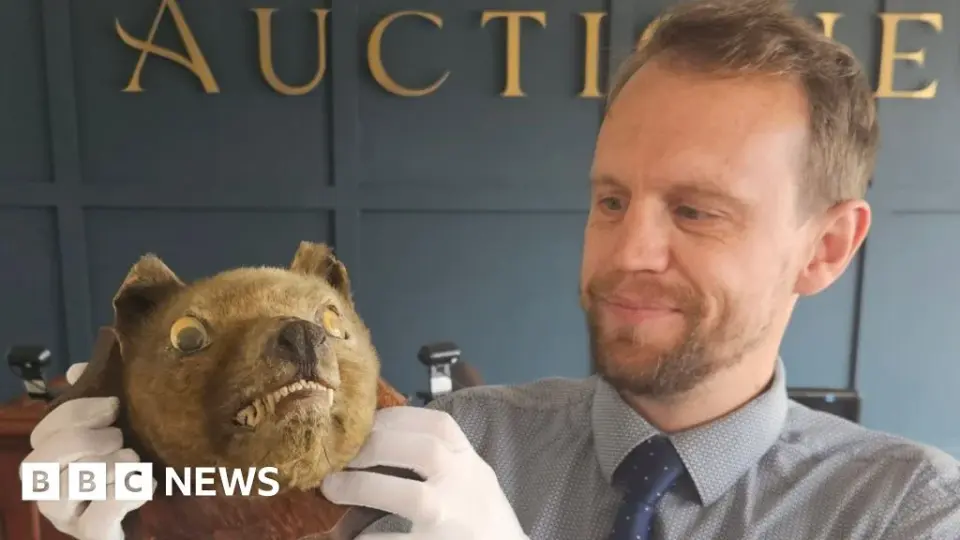
A taxidermy mount initially identified as a fox sold for £60,000 at a Bristol auction after being confirmed as a thylacine, an extinct marsupial. The specimen, one of only 101 known examples, was originally purchased for £50 at an antiques market. The buyer, a natural history collector, plans to make the item available to scientific researchers.
Key points
- The mounted head sold for £60,000 at Auctioneum in Bristol, far exceeding its original £50 purchase price.
- The item was misidentified as a fox until experts recognized it as a thylacine, also known as the Tasmanian Tiger.
- Only 101 taxidermy examples of the thylacine are known to exist, making this specimen exceptionally rare.
- The thylacine, a carnivorous marsupial, went extinct in the 1930s, with the last individual dying in Hobart Zoo in 1936.
- Buyer James Cranfield intends to ensure the specimen is accessible to the academic and scientific community.
Background
This sale follows a trend of high-value discoveries in the secondary market, such as the recent sale of a Wilt Chamberlain jacket found at a thrift store for nearly $90,000 and a T. rex skeleton for $50.1 million. These events highlight the significant market value for rare historical and scientific artifacts, even when initially overlooked or misidentified.
Why it matters
The sale underscores the extreme rarity and high value of thylacine specimens, which are critical for scientific study and conservation history. It also highlights the potential for significant discoveries in the antiques and second-hand markets, where items may be misidentified or undervalued. The decision to make the specimen available to researchers supports ongoing scientific interest in the extinct species.
What to watch
The specimen will likely be examined by scientists and potentially displayed or studied in academic institutions. There may be further interest in other misidentified or undervalued taxidermy items in the market.
Want the full story? Read the original reporting
Read on BBC