
Eisenkot to announce breakthrough in Israeli coalition talks despite stalled Likud negotiations
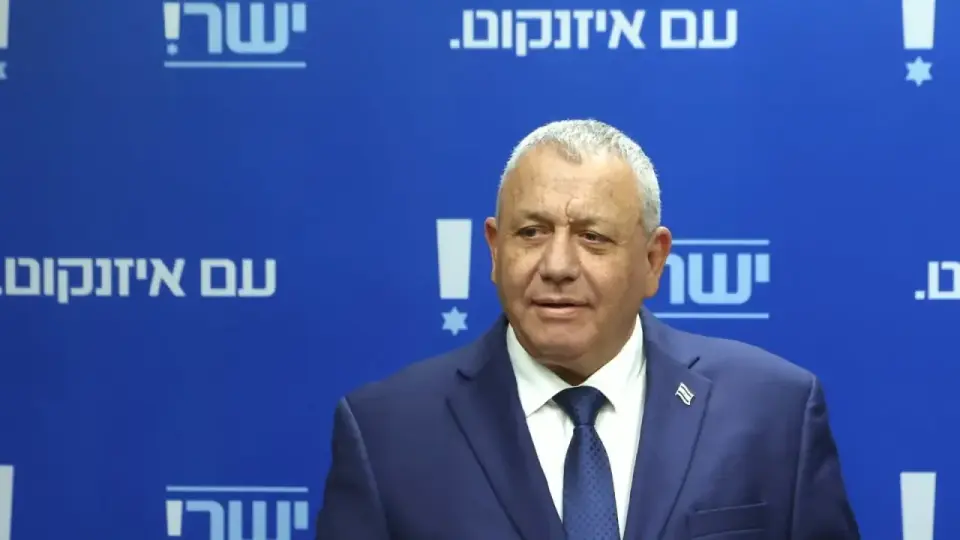
Gadi Eisenkot plans to announce a path to forming a government despite stalled talks with Likud. Negotiations over a unity government failed to resolve key disputes, including the premiership and the inclusion of far-right parties. Eisenkot has until December 6 to form a coalition, with a possible 14-day extension.
Key points
- Eisenkot intends to announce a viable path to government formation within days, according to KAN News.
- Talks between Likud and Yashar ended without a deal on Sunday, with no agreement on the premiership or rotation.
- The parties remain split on whether far-right National Security Minister Itamar Ben-Gvir should join the government.
- Eisenkot has until December 6 to form a government, with a possible 14-day extension from President Herzog.
- If unity talks fail, Yashar plans to seek a confidence vote for a minority government relying on Arab party support.
Background
Following the October 27 election, President Herzog tasked Eisenkot with forming a government after his bloc won 48 seats, 13 short of a majority. Netanyahu’s bloc secured 53 seats but failed to gain enough endorsements. Arab-led parties, which won a record 19 seats, provided decisive support for Eisenkot. Previous attempts to form a coalition have stalled due to disagreements over judicial reform, Haredi conscription, and the inclusion of Arab parties.
How outlets are covering it
The Jerusalem Post reports that Eisenkot intends to announce a breakthrough despite stalled talks, while Al Jazeera and JNS emphasize the failure of Sunday’s negotiations. The Times of Israel highlights a split between Eisenkot and Bennett over setting a deadline for talks. JNS notes that Likud insists on Ben-Gvir’s inclusion, while Yashar demands his exclusion. Al Jazeera reports that Bennett proposed a rotation agreement, but Eisenkot opposes it. The Jerusalem Post notes that discussions on the rotation agreement were postponed, while JNS confirms that the central dispute over the premiership was not discussed.
Why it matters
The outcome of these negotiations will determine whether Israel can form a stable government or face further political instability. A failure to form a government could lead to a minority coalition or a return to Netanyahu’s premiership, with significant implications for domestic policy and regional security.
What to watch
Eisenkot is expected to announce his findings within days. If unity talks fail, Yashar plans to seek a confidence vote for a minority government. President Herzog may grant a 14-day extension if the December 6 deadline is not met. Likud and Yashar have agreed to resume talks, though no date has been set.
- Gadi Eisenkot to announce path to forming Israeli gov't despite stalled talks The Jerusalem Post
- Netanyahu’s Likud, Eisenkot’s Yashar end coalition talks without deal Al Jazeera
- Eisenkot, Bennett split over giving Likud a deadline in unity talks — report The Times of Israel
- Israel Election 2026 Live Updates: Eisenkot, Netanyahu race to build government The Jerusalem Post
- Likud, Yashar negotiators to resume talks on unity government JNS
Want the full story? Read the original reporting
Read on The Jerusalem Post