
Rod Liddle, Prolific Columnist and BBC Radio 4 Editor, Dies at 66
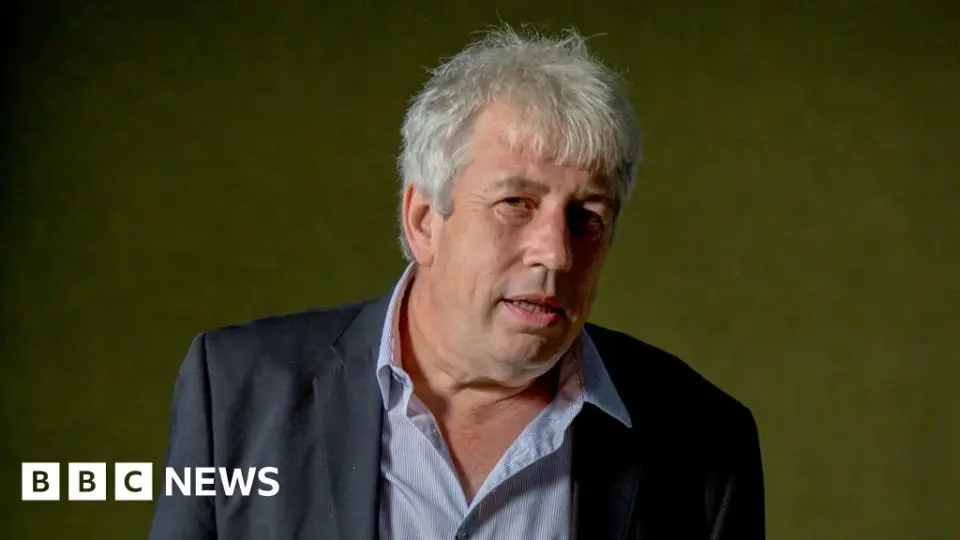
Rod Liddle, the outspoken columnist for the Sun and Sunday Times, has died at age 66 following a short illness. A former editor of BBC Radio 4's Today programme, Liddle was known for his provocative style and sharp wit. Tributes from industry leaders praised his talent and influence, while his family highlighted his humor and resilience. His career was marked by significant controversy, including a 2010 censure by the Press Complaints Commission for racial remarks and his early departure from the BBC.
Key points
- Liddle died at James Cook University Hospital in Middlesbrough on Sunday evening after a brief illness.
- He served as a columnist for the Sun, Sunday Times, and Spectator, and hosted a show on Times Radio.
- His children, Wilder, Tyler, and Emmy, described him as a guide to living an extraordinary life who remained humorous even in hospital.
- Rebekah Brooks of News UK called him an 'inimitable journalistic force' who challenged conventional thinking.
- Liddle was the first journalist censured by the Press Complaints Commission in 2010 for claiming violent crime in London was predominantly committed by young Afro-Caribbean men.
- He previously edited BBC Radio 4's Today programme, leaving in 2002 after a dispute with then-director general Greg Dyke.
Background
This news follows a pattern of high-profile media figures passing away in 2026, including singer Bonnie Tyler and former NFL player Billy Ray Smith Jr. Liddle's career spanned decades of British media, transitioning from Labour speechwriting in the 1980s to becoming a prominent critic of the left in later years. His tenure at the BBC included hiring Andrew Gilligan, whose 2003 report on Iraq weapons sparked significant political controversy.
How outlets are covering it
BBC and The Guardian both reported the death and highlighted his provocative style, noting that while he was praised for his wit and intellect, he also faced criticism for controversial remarks. The Telegraph source was inaccessible due to a security block, so no perspective from that outlet could be synthesized. The Guardian noted his earlier work as a Labour speechwriter and his later critique of the left, adding nuance to his political evolution. BBC emphasized his role in challenging conventional thinking, while The Guardian highlighted specific controversies, such as his 2010 censure and his 2002 departure from the BBC. Both outlets quoted tributes from News UK and other media figures, but The Guardian included additional commentary from former Sun editor David Yelland, who acknowledged Liddle's talent despite disagreeing with his views.
Why it matters
Liddle's death marks the end of an era for British journalism, as he was a defining voice in tabloid and broadsheet media for decades. His career exemplified the tension between press freedom and ethical boundaries, particularly through his 2010 censure and his early BBC departure. His influence on public discourse, especially regarding race and politics, remains a point of debate. The tributes from industry leaders underscore his impact on British media, while his family's statement highlights his personal legacy of humor and resilience.
What to watch
No immediate developments are expected, as Liddle's death is a final event. However, his legacy may continue to influence discussions on press freedom, media ethics, and the role of provocative journalism in British society. Tributes and retrospectives may emerge in the coming days, particularly from media outlets and former colleagues.
- Newspaper columnist and broadcaster Rod Liddle dies aged 66 BBC
- Sunday Times and Sun columnist Rod Liddle dies aged 66 The Guardian
- Rod Liddle, Today programme editor turned polemical journalist with an army of devoted readers The Telegraph
- Sunday Times and Sun columnist Rod Liddle dies Sky News
- Rod Liddle, Sunday Times columnist, dies aged 66 The Times
Want the full story? Read the original reporting
Read on BBC