
Sally Rooney's UK Books Ceased Over Palestine Action Royalty Pledge
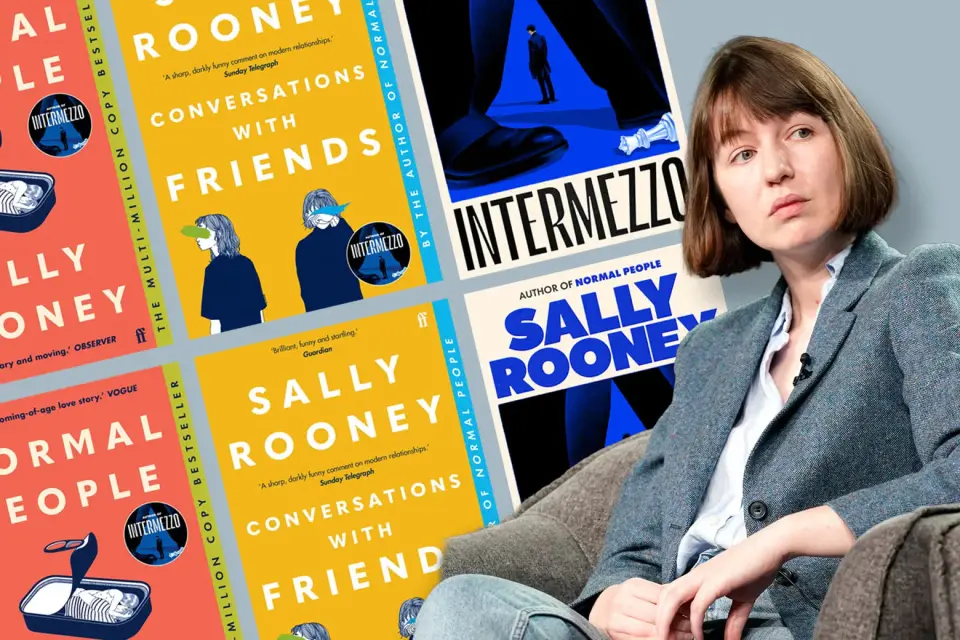
Irish author Sally Rooney's books will no longer be sold in the UK after her publisher, Faber & Faber, announced they cannot pass on royalties due to her pledge to support the proscribed group Palestine Action. The move, framed as a joint legal strategy, highlights the absurdity of UK anti-terrorism laws that equate direct-action protests with groups like ISIS. While Rooney's works remain available globally, the decision has sparked debate over censorship, with critics calling it a brave stand against overreach and opponents labeling it support for terrorism.
Key points
- Faber & Faber and Sally Rooney jointly announced the cessation of UK book sales to avoid violating anti-terrorism laws regarding royalty payments to Palestine Action.
- Rooney pledged in August 2025 to donate royalties from her books and adaptations to Palestine Action, a group proscribed as a terrorist organization in July 2025.
- The UK government designated Palestine Action a terrorist group following a break-in at RAF Brize Norton, a move widely criticized as disproportionate compared to groups like al-Qaida.
- The decision affects only the UK market; Rooney's books remain available in Ireland, the US, and other Commonwealth countries.
- The timing coincides with a pending Supreme Court appeal regarding the legality of the Palestine Action ban, aiming to draw public attention to the legislation's impact.
Background
Sally Rooney, known for 'Normal People' and 'Conversations With Friends,' has been a vocal supporter of Palestinian causes, influenced by Irish-Palestinian solidarity. In August 2025, she publicly pledged royalties to Palestine Action, a direct-action group founded in 2020 that targets Israeli weapons manufacturers. The UK government proscribed the group in July 2025 after it broke into an RAF base, leading to over 700 arrests of protesters. Rooney had previously canceled a UK trip to accept an award due to arrest risks. The current situation follows a High Court ruling in February 2026 that found the ban disproportionate, which was upheld by the Court of Appeal in June 2026, with a Supreme Court appeal pending.
How outlets are covering it
Slate and The Guardian frame the situation as an absurd misuse of anti-terrorism laws, emphasizing the disproportionate nature of proscribing a protest group alongside ISIS and al-Qaida. Slate suggests the withdrawal is a strategic move to highlight the government's overreach, while The Guardian praises Rooney's courage in risking arrest and financial loss to challenge the legislation. CBS News reports the facts neutrally but includes a quote from the Campaign Against Antisemitism, which criticized Rooney's pledge as supporting terrorism and reported her to counterterrorism police. AP News confirms the withdrawal but focuses on the legal and financial implications for the publisher. The outlets differ in tone: Slate and The Guardian are critical of the UK government, while CBS includes voices supporting the government's stance on terrorism.
Why it matters
This case highlights the chilling effect of UK anti-terrorism laws on cultural figures and political expression. It raises questions about the boundaries of free speech and the proportionality of designating protest groups as terrorist organizations. The decision to cease sales in the UK, while maintaining them elsewhere, underscores the tension between legal compliance and political dissent. It also brings attention to the broader debate over the UK government's handling of the Israel-Palestine conflict and the role of literature in political discourse.
What to watch
The next major development will be the Supreme Court hearing on the Palestine Action ban, scheduled for November 2026. If the court rules in favor of the group, the ban may be lifted, potentially allowing Rooney's books to return to UK shelves. If the ban is upheld, the situation may remain unchanged, with continued public debate and potential further legal challenges. The outcome could set a precedent for the use of anti-terrorism laws against protest groups in the UK.
- One of Our Most Celebrated Authors Has Had Her Books Effectively Banned in the U.K. How Did We Get Here? Slate
- Sally Rooney Withdraws Her Books From UK Over Her Support of Palestine Action The New York Times
- UK bookstores scramble as Sally Rooney's novels are withdrawn because she supports Palestine Action AP News
- Sally Rooney’s stand on Palestine is brave and humane The Guardian
- Sally Rooney's books withdrawn in U.K. over author's support for designated terror group Palestine Action CBS News
Want the full story? Read the original reporting
Read on Slate