
Ireland pulls controversial consent ad after ministerial intervention
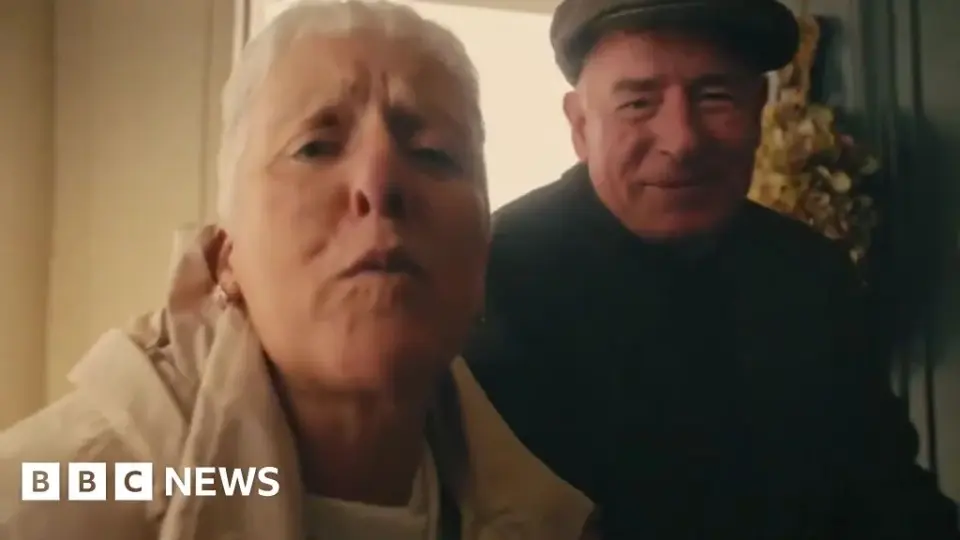
The Dublin Rape Crisis Centre (DRCC) removed a social media video from its 'We-Consent' campaign after Irish Justice Minister Jim O'Callaghan called it 'demeaning' to grandparents. The ad, which depicted a child refusing a hug from an elderly couple, sparked intense debate over the boundaries of family affection and state-funded education. While the DRCC stated the video was based on workshop feedback and produced by volunteers, the government insisted it did not represent official views and was counterproductive. The incident highlights tensions between public messaging on consent and traditional family norms in Ireland.
Key points
- DRCC removed three videos from its 'We-Consent' campaign following backlash, including one showing a child refusing a hug from grandparents.
- Justice Minister Jim O'Callaghan labeled the ad 'inappropriate and demeaning,' stating it did not represent government views and was counterproductive to consent education.
- The DRCC claimed the videos were low-cost, volunteer-produced, and based on feedback from over 20 workshops where participants shared discomfort with unwanted physical contact.
- Government ministers, including Health Minister Jennifer Carroll MacNeill, emphasized that the ad was an 'error' and distinct from broader government efforts to combat gender-based violence.
- Critics, including Fine Gael Senator Gareth Scahill, argued the ad was a waste of public resources and absurd, while defenders noted it aimed to teach children about respecting boundaries.
Background
This controversy occurs amid ongoing debates in Ireland regarding the role of the state in family life and the teaching of consent. Previous discussions have focused on the Irish constitution's recognition of the family as the primary unit for raising children. The DRCC's 'We-Consent' campaign is part of a broader prevention strategy, but this specific incident has intensified scrutiny over how public funds are used for social messaging. The debate also intersects with wider European and global conversations about consent norms, as seen in recent legal and policy discussions in the US and UK regarding sexual violence and consent laws.
How outlets are covering it
The BBC and RTÉ report that the DRCC removed the videos after 'negative attention' and 'engagement' with the Justice Department, framing the removal as a response to public backlash and ministerial pressure. The Irish Times highlights the government's insistence that the ad was not a 'Government campaign' and was 'funded without any reference to Government,' while also noting the DRCC's claim that it was based on workshop feedback. The Telegraph source is inaccessible due to a security block, so no perspective can be drawn from it. Critics like Fine Gael Senator Gareth Scahill and Aontú TD Paul Lawless argue the ad is offensive and conflates sexual violence with family affection, while defenders like academic Dr Órfhlaith Campbell and psychologist John Francis Leader argue the ad highlights the importance of respecting individual boundaries and that children have different needs. The DRCC itself stated it was removing the videos to prevent negativity from distracting from its core work supporting survivors.
Why it matters
The incident reveals a deep societal divide in Ireland over how to teach consent, particularly to children, and the limits of state-funded messaging. It raises questions about the balance between promoting awareness of sexual violence and respecting traditional family structures. The involvement of the Justice Minister in the removal of a non-governmental campaign's content sets a precedent for government influence over civil society organizations, potentially chilling future public education efforts on sensitive topics. It also underscores the sensitivity of public discourse around consent, which can easily become polarized when perceived as challenging family norms.
What to watch
The DRCC has stated it will review the videos and is not commenting further until the review is complete. It is unclear whether the 'We-Consent' campaign will continue in its current form or be modified. The government has not indicated whether it will change its funding arrangements with the DRCC, but the incident may lead to stricter guidelines for public messaging on consent. The debate is likely to continue in the media and political sphere, with potential implications for future campaigns on similar topics.
- 'Demeaning' and 'absurd': The backlash against a hugging grandparents consent ad BBC
- DRCC video on hugging consent taken down after criticism RTE.ie
- Ask for consent to hug your grandchildren, says Irish advert The Telegraph
- Advert showing grandparents hugging is taken down amid criticism The Irish Times
- The new hugging rules (do you need consent to cuddle your grandkids?) The Times
Want the full story? Read the original reporting
Read on BBC