
Hacked Emergency Apps Spread Fake Nuclear Alerts in Ukraine and Russia
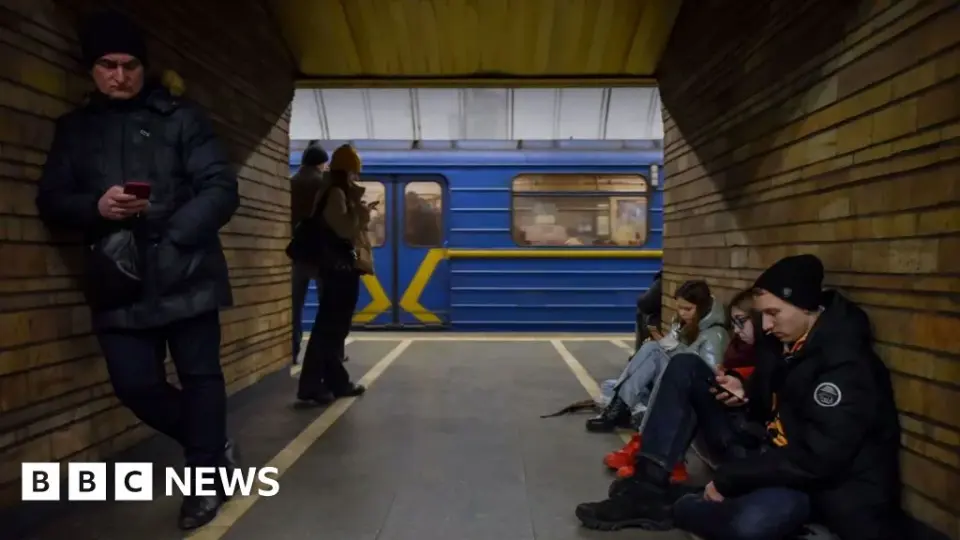
On Sunday, November 1, 2026, emergency alert applications in both Ukraine and Russia were compromised, broadcasting false warnings of nuclear, chemical, and street combat threats. Ukrainian authorities confirmed the breach of the Air Alert app, which sent erratic messages to citizens in Kyiv and other regions, while Russia’s Ministry of Emergency Situations acknowledged a 'massive cyberattack' on its platform affecting 33 regions. Despite the severity of the fake alerts, public reaction was muted, with many users dismissing the messages as obvious hoaxes or jokes. The incident exposed critical vulnerabilities in civilian infrastructure systems that millions rely on for safety during the ongoing conflict.
Key points
- Ukraine’s Air Force confirmed its Air Alert app was compromised, sending false warnings of nuclear and chemical threats to users in Kyiv and other areas.
- Russia’s Ministry of Emergency Situations reported a 'massive cyberattack' on its mobile app, resulting in fake alerts sent to 33 regions, including claims of hypersonic missile launches.
- Ukrainian authorities issued an all-clear statement within 15 minutes, but it took over an hour for 'all clear' messages to fully circulate, causing brief anxiety among some users.
- Cybersecurity expert Yevhen Baliutov noted that the informal language and links to Telegram channels in the fake alerts suggested involvement by hacktivist groups rather than state-directed operations.
- The incidents occurred shortly after the expiration of a six-day humanitarian ceasefire in the occupied town of Oleshky, which had allowed for the evacuation of hundreds of civilians.
Background
This incident follows a pattern of cyber warfare between Russia and Ukraine, where both sides have previously targeted each other’s digital infrastructure. The breach highlights ongoing concerns about the security of critical civilian systems, particularly as the war enters its fifth year. Previous archive coverage noted that similar vulnerabilities in emergency alert systems have been identified in the past, but this incident marked one of the most widespread and high-profile breaches of such platforms.
How outlets are covering it
BBC emphasized the limited public panic, noting that many Ukrainians quickly dismissed the alerts as fake and turned the incident into a joke. CNN highlighted the broader implications for trust in official warning systems, with some Russian users deleting the app after the breach. CNBC focused on the timing of the attacks, linking them to the expiration of a ceasefire in Oleshky and ongoing strikes on infrastructure. All sources agreed that the incidents exposed significant security flaws in emergency alert systems, but differed in their emphasis on the potential for state-sponsored versus hacktivist involvement.
Why it matters
The breach of emergency alert systems in both Ukraine and Russia underscores the growing vulnerability of critical civilian infrastructure to cyberattacks. As millions of people rely on these apps for real-time safety information, any compromise can erode public trust and create confusion during genuine emergencies. The incident also highlights the need for stronger security measures in digital systems that are essential to public safety during wartime.
What to watch
Ukrainian authorities are working to restore full functionality of the Air Alert app and implement additional security measures to prevent future breaches. Russian officials have stated that the Emercom app will be fully restored by the end of the day, and specialists are analyzing the vulnerability exploited by the attackers. Both countries are expected to continue monitoring for further cyberattacks, particularly as tensions remain high following the expiration of the Oleshky ceasefire.
- Fake nuclear warning from hacked app sparks unease but not panic in Ukraine BBC
- Fake nuclear warnings in Ukraine as Moscow, Kyiv report separate cyberattacks on emergency apps CNBC
- WATCH: Zelenskyy confirms Ukraine hacked back after Russia's cyberattack of its emergency alert system PBS
- Fake warnings of nuclear attack posted on hacked Russian and Ukrainian emergency apps CNN
- Cyberattacks Hit Ukraine’s and Russia’s Emergency-Alert Apps WSJ
Want the full story? Read the original reporting
Read on BBC