
Post-Ceasefire Surge: Russia Launches Massive Drone and Missile Barrage Across Ukraine
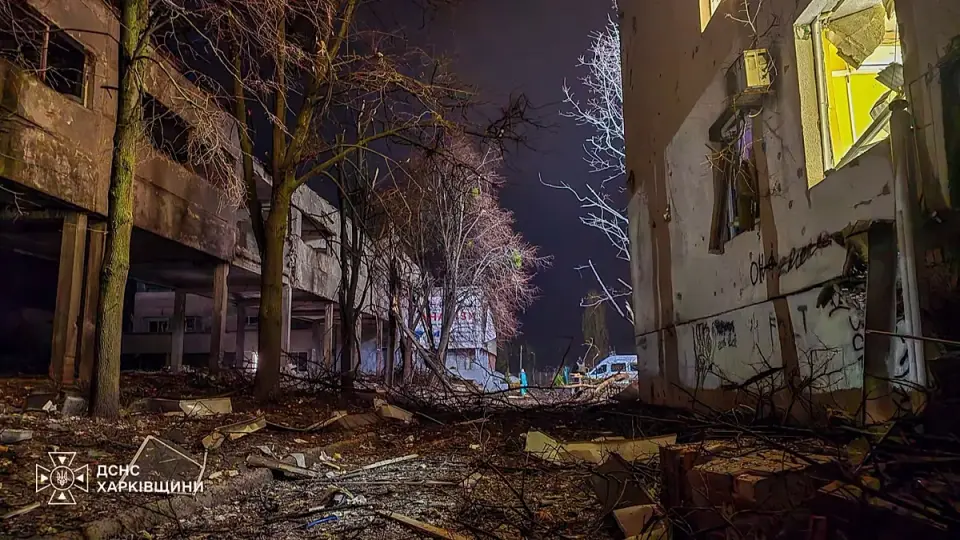
Following the collapse of a rare six-day humanitarian truce in Kherson, Russia launched a massive overnight assault on Ukraine involving 289 drones and 17 ballistic missiles. The strikes killed dozens, including 29 in Zaporizhzhia, and damaged critical infrastructure in Kharkiv and Dnipro. While US envoy Steve Witkoff confirmed peace talks will resume in Abu Dhabi on November 10-11, Moscow rejected extending the ceasefire, citing military regrouping as standard practice.
Key points
- Russian forces launched 289 drones and 17 ballistic missiles overnight, killing dozens across multiple regions.
- Zaporizhzhia suffered the heaviest casualties, with 29 confirmed dead, including rescue workers and police.
- A medical facility in Kharkiv was hit, forcing the evacuation of approximately 200 patients.
- The strikes followed the end of a six-day ceasefire in Kherson that allowed evacuations from the occupied town of Oleshky.
- US special envoy Steve Witkoff confirmed working-level negotiations between Russia and Ukraine will resume in Abu Dhabi on November 10-11.
Background
This escalation follows a brief period of relative calm in late October, where a ceasefire brokered by US First Lady Melania Trump allowed for humanitarian evacuations in the Kherson region. Prior to this, the conflict had seen intense exchanges, including a massive Russian strike on October 7 that killed 28 people and cut power in Kyiv, and Ukrainian retaliatory strikes on Russian oil and digital infrastructure in early October.
How outlets are covering it
Euronews and BBC emphasize the immediate human cost and the failure of the recent truce to prevent renewed violence, noting that the ceasefire was the longest since the war began. BBC highlights that Moscow used the pause to fortify positions, a claim denied by the Kremlin, which called it standard practice. NPR focuses on the human impact of the ceasefire's end, describing how residents of Kherson experienced a rare respite before fighting resumed. Mezha provides granular data on the scale of the attacks, detailing specific settlements targeted in the Kherson region and confirming damage to critical infrastructure in Dnipro. All sources agree that while diplomatic efforts continue, the military situation remains volatile.
Why it matters
The resumption of large-scale strikes signals that the recent humanitarian truce was a temporary exception rather than a shift in strategy. The high casualty count and damage to energy infrastructure threaten to worsen the humanitarian situation ahead of winter. Furthermore, the timing of the strikes, just before scheduled US-mediated talks in Abu Dhabi, raises questions about Moscow's commitment to a negotiated settlement and the potential for further escalation if diplomatic efforts fail.
What to watch
The primary focus will be on the US-mediated working-level negotiations in Abu Dhabi scheduled for November 10-11. Observers will watch for any signs of de-escalation or further military escalation from both sides. Additionally, the impact of the strikes on Ukraine's energy grid and the ability of air defenses to counter future ballistic missile attacks will be critical factors in the coming weeks.
- Russia pounds Ukraine with 289 drones overnight, Zelenskyy says Euronews.com
- For Ukraine's Kherson region, a short ceasefire meant a momentary return to normal life NPR
- Fighting returns to Kherson region after longest Ukraine war ceasefire BBC
- Operational update: from 06:00 on 02.11 2026 to 06:00 on 03.11 2026 Mezha.net
- Russia wounded seven people in the Kherson region over the past 24 hours UA.NEWS
Want the full story? Read the original reporting
Read on Euronews.com