
F-35 Components Diverted to Hong Kong Spark US and Australian Security Probes
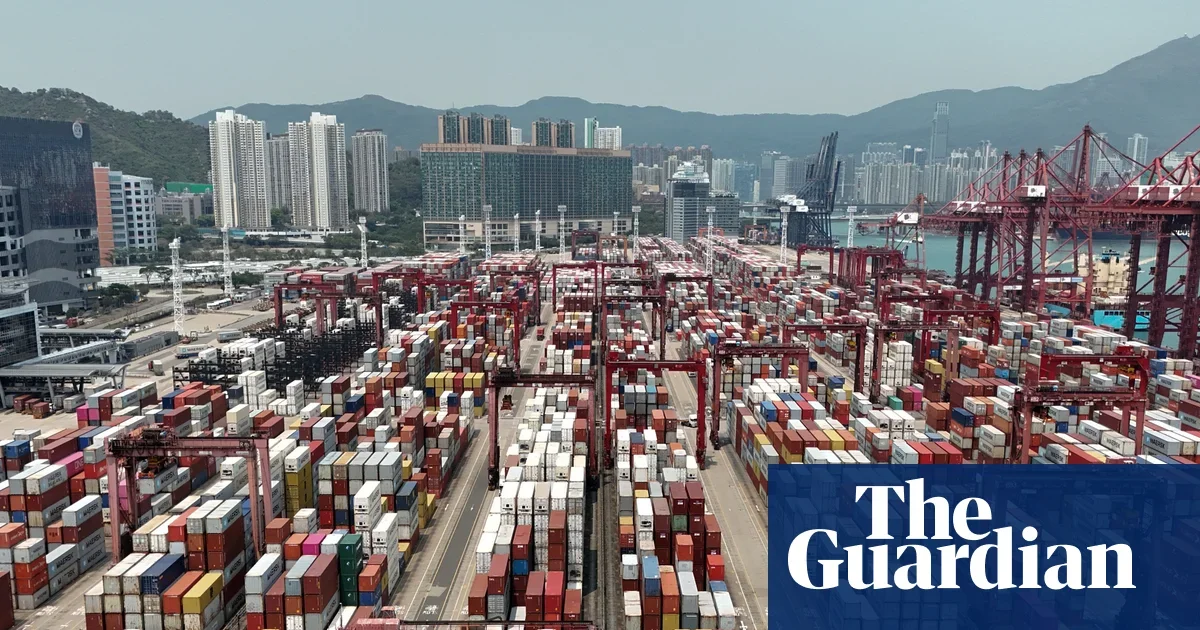
Unserviceable F-35 fighter jet parts, including a stealth-coated canopy, were diverted to Hong Kong during transit from Australia to the United States. While Australian and US officials assert the missing components are low-risk, the incident has triggered investigations into supply chain security and raised concerns about potential Chinese access to advanced military technology.
Key points
- A shipment of unserviceable F-35 components, including a cockpit canopy with radar-absorbent material, was diverted to Hong Kong instead of the US for repair or disposal.
- Australian Defence Minister Richard Marles stated that no sensitive parts were in the shipment, but confirmed an investigation into Australia's role in the transit.
- The US Department of Defense and Lockheed Martin are actively working to retrieve the components and implement safeguards to prevent future occurrences.
- The incident has prompted congressional briefings in the US regarding national security risks, particularly concerning Chinese espionage capabilities.
- A 2023 Government Accountability Office report noted that over one million F-35 parts were unaccounted for in the previous five years, highlighting broader supply chain issues.
Background
This incident occurs amid ongoing scrutiny of the F-35 program's global supply chain and previous allegations of Chinese espionage targeting US stealth technology. In September 2026, the US State Department approved a sale of 48 F-35s to Saudi Arabia, which raised concerns among intelligence agencies about potential technology leakage to China. Australia is a key partner in the F-35 program, with over 70 companies holding contracts worth more than $5.2 billion, and hosts a regional distribution hub for parts in New South Wales.
How outlets are covering it
The Guardian and CNN report that Australian officials, including Acting Prime Minister Richard Marles, downplayed the sensitivity of the missing parts, asserting confidence in the program's integrity. In contrast, Breaking Defense and The Aviationist highlight the potential risks, noting that the canopy contains radar-absorbent material crucial for stealth capabilities. While the US Department of Defense and Lockheed Martin describe the components as 'unserviceable' and 'low risk,' analysts like Michael Shoebridge and John Conway emphasize the possibility of reverse-engineering or countermeasure development by adversaries. The Aviationist further contextualizes the incident within a history of Chinese espionage attempts against the F-35 program, including a 2007 hack and a 2015 leak by Edward Snowden.
Why it matters
The diversion of F-35 parts to Hong Kong raises significant concerns about the security of the global defense supply chain and the potential exposure of advanced military technology to adversaries. If the missing components, particularly the stealth-coated canopy, are exploited by China, it could compromise the stealth capabilities of the entire F-35 fleet, affecting not only the US but also its allies, including Australia. This incident underscores the need for stricter safeguards and oversight in the management and transport of sensitive military components, as well as the broader implications for international defense partnerships and technology security.
What to watch
The US Department of Defense and Lockheed Martin are actively working to retrieve the missing components and implement safeguards to prevent future occurrences. Congressional briefings are expected to continue, with officials assessing the security risks and potential implications for the F-35 program. Australia is also conducting an investigation into its role in the incident, while the broader debate over the sale of F-35s to Saudi Arabia and the security of the global supply chain is likely to intensify.
- Australia investigating how F-35 fighter jet parts bound for US went missing in Hong Kong The Guardian
- Australia confirms F-35 fighter jet parts were mistakenly diverted to Hong Kong CNN
- Aussie defense chief confirms missing F-35 parts, says none are ‘sensitive’ Breaking Defense
- F-35 Parts Diversion to Hong Kong Under Probe in US Congress Bloomberg.com
- F-35 Spare Parts Diverted to Hong Kong, Prompting U.S. and Australian Investigations The Aviationist
Want the full story? Read the original reporting
Read on The Guardian