
France Shifts to Naval Rearmament at Euronaval Amid Rising Maritime Threats
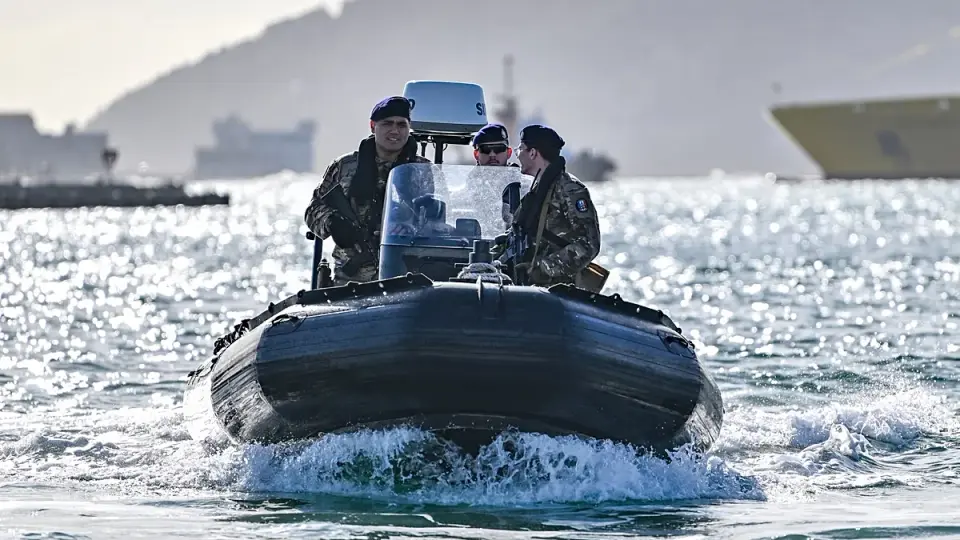
France is accelerating its naval modernization at Euronaval 2026, prioritizing autonomous systems and strategic autonomy. Defense Minister Catherine Vautrin announced a draft 2027 budget of €63.4 billion, a 11.4% increase, to fund new submarines, frigates, and drone fleets. The shift reflects growing threats in the Red Sea and Black Sea, as well as uncertainty in transatlantic defense partnerships.
Key points
- France’s 2027 defense budget proposal rises to €63.4 billion, an increase of €6.5 billion from 2026.
- The government signed a framework agreement to build a domestic ecosystem for naval drone manufacturing.
- Specific orders were placed for mine-countermeasure drones and deep-sea remotely operated vehicles.
- France is developing the SNLE 3G nuclear submarine and the France Libre aircraft carrier, scheduled for delivery in 2038.
- 92% of the French Ministry of Armed Forces’ suppliers were based domestically in 2024, emphasizing European procurement.
Background
Recent instability in the Strait of Hormuz, including mine strikes and attacks on commercial shipping, has heightened global concerns about maritime security. These events, alongside earlier tensions involving Iran and the US, underscore the vulnerability of critical trade routes. France’s current naval push follows a broader European trend of seeking strategic autonomy amid shifting transatlantic dynamics, building on Macron’s March 2026 pledge to increase the nuclear warhead stockpile.
How outlets are covering it
Euronews emphasizes France’s role as a leader in European naval power, highlighting its status as the world’s second-largest arms exporter and its unique nuclear carrier capability. Naval News focuses on operational doctrine, detailing four core missions: nuclear deterrence, crisis deterrence, maritime protection, and information dominance. It notes challenges in underwater surveillance due to physical opacity. SLDinfo highlights the industrial shift, noting that while drone concepts are showcased, only specific mine-warfare and seabed systems have been ordered so far. It points out a gap between prototypes and procurement. Naval Group, a major contractor, frames the era as one of 'hybrid fleets,' where manned and autonomous systems operate collaboratively, and announced a new center of excellence in La Londe-les-Maures to accelerate production.
Why it matters
France’s move signals a decisive pivot from repair to rearmament, aiming to reduce reliance on external partners for critical defense capabilities. By investing heavily in autonomous systems and domestic supply chains, France seeks to ensure rapid response to emerging threats while maintaining strategic independence. This shift could influence broader European defense procurement trends and set new standards for naval autonomy in the coming decade.
What to watch
Presidential candidates, including Marine Le Pen and Raphaël Glucksmann, are expected to attend Euronaval, potentially influencing future defense policies. The government will need to finalize the 2027 budget and translate drone concepts into operational orders. Naval Group aims to open its drone center of excellence by late 2027, which could accelerate the industrialization of autonomous naval systems across Europe.
- As maritime threats rise, France seeks to bolster Europe's naval power Euronews.com
- Euronaval 2026: French Navy Underpins Enduring Missions with New Capabilities to Counter Emerging Threats Naval News
- European naval defence industry meets as threats drive fleet upgrades Reuters
- Naval Warfare in the Era of Hybrid Fleets Naval Group
- Euronaval Opens with Paris Pushing Drones into the Fleet SLDinfo.com
Want the full story? Read the original reporting
Read on Euronews.com