
German Government Settles Dispute, Returning Nazi-Era Archive of Persecuted Jehovah’s Witnesses to Family
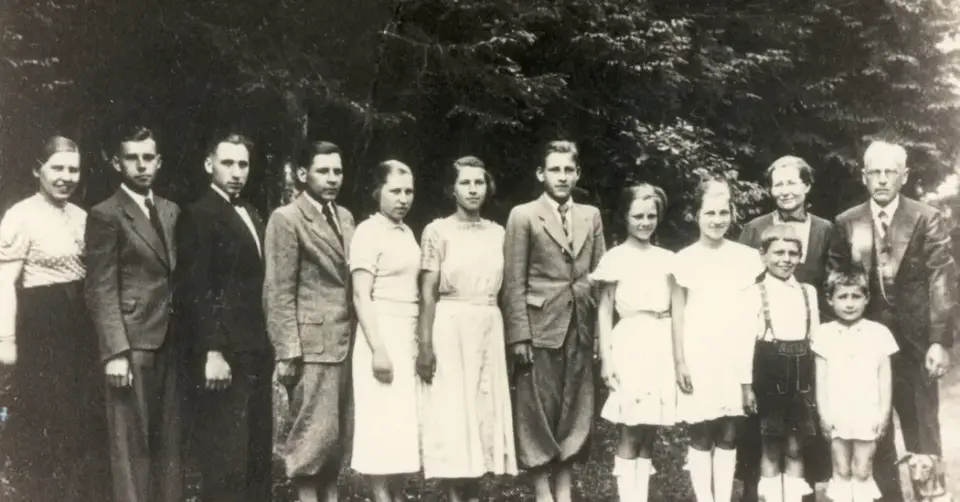
The German government has agreed to return a family archive documenting Nazi persecution of Jehovah’s Witnesses to the religious group, resolving a multi-year legal dispute. The collection, held at the Military History Museum in Dresden, contains 31 files related to the Kusserow family, whose members were arrested, imprisoned, and murdered by the regime for their faith. The settlement, formalized by a court order on November 20, follows a 2021 lawsuit and mediation by Germany’s federal court of justice.
Key points
- The German government and the Jehovah’s Witnesses reached an amicable agreement on November 19 to resolve ownership of a historical archive.
- The archive consists of 31 files documenting the persecution of the Kusserow family by the Nazi regime, including arrests, imprisonment, and executions.
- The documents were housed at the Military History Museum in Dresden and were the subject of a lawsuit filed by the religious group in 2021.
- Germany’s federal court of justice encouraged the parties to settle, leading to a formalized court order on November 20.
- The dispute had lasted several years before the recent resolution, highlighting ongoing tensions over the ownership of historical records related to Nazi atrocities.
Background
This development follows recent archival discoveries in Europe regarding Nazi-era history, such as the revelation in November 2026 that Denmark’s oldest living person, Kirsten Schwalbe, held leadership roles in a Nazi party during World War II. Additionally, the destruction of the Kehlsteinhaus, a former Nazi retreat in the Bavarian Alps, by fire in October 2024 sparked debates among Bavarian officials and historians about the preservation and repurposing of Nazi-era sites. These events underscore a broader trend in Europe of re-examining and recontextualizing historical records and physical sites related to the Nazi regime.
Why it matters
The resolution of this dispute is significant for historical memory and the rights of persecuted groups. Returning the archive to the Jehovah’s Witnesses ensures that the documented abuses against the Kusserow family and other members of the denomination are preserved and accessible to the community that suffered under the Nazi regime. It also sets a precedent for the handling of historical archives related to persecution, emphasizing the importance of returning such materials to the affected groups rather than keeping them in state-controlled institutions. This case highlights the ongoing efforts in Germany to address the legacy of the Nazi era and ensure that historical records are used to educate and honor victims rather than obscure their experiences.
What to watch
The Jehovah’s Witnesses will now take possession of the 31 files from the Military History Museum in Dresden. The group is expected to integrate these documents into its own historical records and potentially make them available for research and educational purposes. There may be further discussions about the broader ownership and access to other archives related to Nazi persecution, but the immediate focus will be on the preservation and utilization of the Kusserow family documents. The settlement may also influence future cases involving the ownership of historical materials related to persecution, potentially leading to more such archives being returned to affected communities.
Want the full story? Read the original reporting
Read on The New York Times