
Europe’s Defense Surge Clashes with US Export Controls
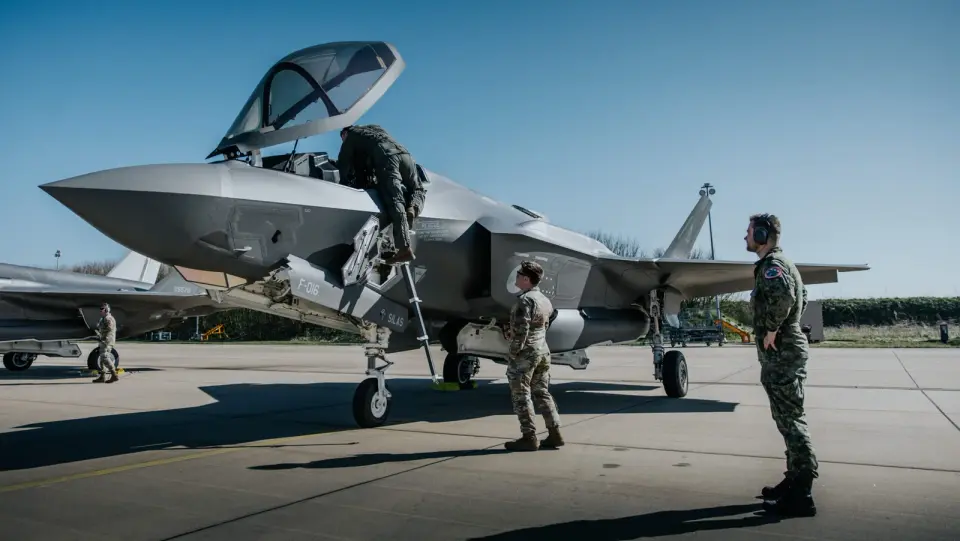
European nations are increasingly rejecting US-controlled weapons due to ITAR restrictions, which require Washington approval for transfers of systems containing US components. This shift is driven by surging European defense budgets and a desire for strategic autonomy, forcing US firms to adapt their marketing and supply chains.
Key points
- European governments view ITAR’s 'see-through rule' as a sovereignty risk, as it allows the US to control the export of foreign-built weapons containing US parts.
- Europe’s defense spending reached 739 billion euros in 2025, with a new SAFE mandate requiring 65% of components in EU-funded projects to be of European origin.
- US officials dismiss the trend, arguing no competitor can match US industrial scale, while industry leaders warn that ITAR-free status is becoming a key marketing advantage for European firms.
- The German Navy is scheduled to receive MQ-9B SeaGuardian drones in 2028, but European buyers are seeking alternatives to avoid potential US licensing delays during crises.
Background
This development follows a broader trend of European nations seeking to reduce reliance on US defense infrastructure, a theme previously highlighted in discussions about NATO allies boosting domestic production. While earlier archive items focused on unrelated topics like solar rail technology or Ukrainian weapons storage, the current shift reflects a structural change in transatlantic defense cooperation driven by geopolitical tensions and increased European investment.
How outlets are covering it
Breaking Defense emphasizes the commercial impact on US firms, noting that companies like Honeywell are rebranding to appear more 'European' to retain market share. In contrast, Militär Aktuell focuses on operational risks, citing a 2023 incident where SpaceX restricted Starlink use for Ukrainian drones due to export regulations. While Breaking Defense highlights the 'see-through rule' as a bureaucratic hurdle, Militär Aktuell frames it as a critical vulnerability, noting that up to 60% of drone components in Europe still come from third countries, primarily the US and China.
Why it matters
The tension between US export controls and European strategic autonomy could reshape global defense supply chains. If Europe successfully develops ITAR-free systems, it may reduce US influence over allied military capabilities, potentially creating a more fragmented but resilient European defense industrial base.
What to watch
The US Pentagon and State Department are engaged in defense export reform efforts, but it remains unclear if these will address ITAR concerns. European funding programs like ReArm Europe are now explicitly considering ITAR-free status as a criterion, which may accelerate the development of independent European defense technologies.
- Europe wants ITAR-free weapons. US firms are trying to adjust. Breaking Defense
- How ITAR concerns are affecting US defense sales abroad Breaking Defense
- Despite Sovereignty Push, Europe Still Open to U.S. Defense Firms National Defense Magazine
- Why ITAR regulations hinder every NATO drone program Table.Briefings
- The ITAR Effect: The Underestimated Risk to Europe’s Drone Programs Militär Aktuell
Want the full story? Read the original reporting
Read on Breaking Defense