
Greece and Israel Finalize $3.5 Billion 'Achilles Shield' Air Defense Pact
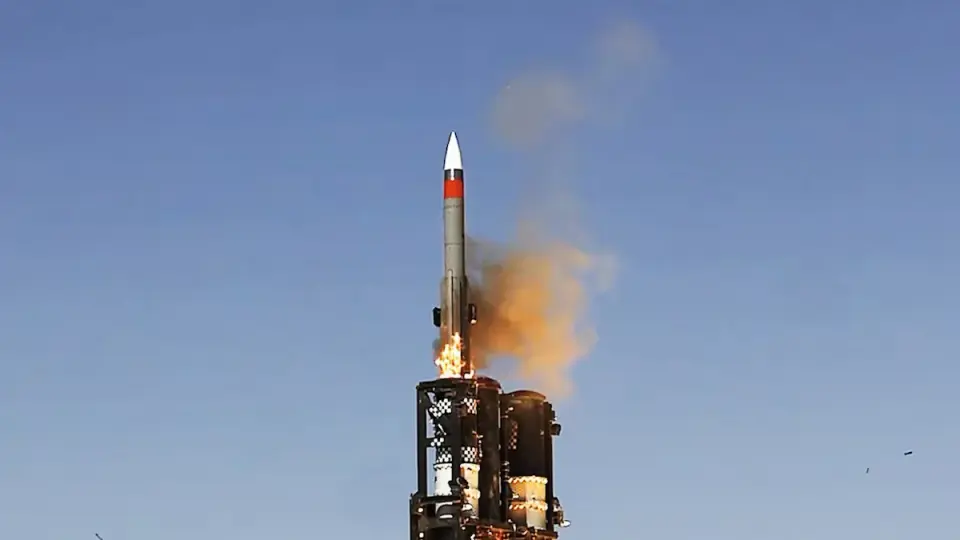
Israel and Greece signed a €3 billion ($3.5 billion) defense agreement on August 31, 2026, for a multi-layered air defense system known as the 'Achilles Shield.' The deal, Israel's largest export ever, includes David's Sling, SPYDER, and Barak MX systems, plus an AI-enabled command center. Greece aims for full operational readiness within 35 months as part of a broader €28 billion military modernization program through 2036.
Key points
- The agreement includes Rafael Advanced Defense Systems' David's Sling and SPYDER, and Israel Aerospace Industries' Barak MX, along with MMR radars and a national command-and-control system.
- A supplementary €26 million deal adds Drone Dome systems for strategic site protection.
- Greece will spend approximately €28 billion by 2036 on the shield, up to 40 F-35 jets, and frigates from France and Italy.
- Greek companies are expected to receive about €700 million in subcontracting opportunities, with technology transfers to local industry.
- The deal was negotiated over three years and is described as Israel's largest-ever defense export to Greece.
Background
This deal follows earlier reports in August 2026 confirming the agreement's scope and strategic intent. Greece's military modernization is driven by concerns over threats from Turkey and the US-Israel war on Iran, particularly regarding US naval bases in Greece. Previous coverage noted that Greece is the first EU country to integrate multiple Israeli platforms into a single national shield, deepening bilateral security ties despite domestic and European caution regarding Israel's conduct in Gaza.
How outlets are covering it
Defense News and The Jerusalem Post emphasize the deal's scale, noting it is Israel's largest-ever export and a testament to its technological edge, with Amir Baram highlighting proven field track records. The New York Times frames the agreement as evidence of Israel's global arms influence despite diplomatic isolation over Gaza. Al Jazeera focuses on the geopolitical drivers, citing analyst Wolfgang Pusztai's concerns about Iranian threats to US bases and Turkey's growing drone capabilities, while noting domestic Greek opposition to closer ties with Israel. All sources agree on the core systems and financial value, but differ in emphasis: Israeli outlets highlight industrial success, while Western and Middle Eastern outlets focus on geopolitical tensions and public sentiment.
Why it matters
The deal reshapes Mediterranean security dynamics by strengthening Greece's air defense against Turkey and Iran, while boosting Israel's defense industry despite diplomatic challenges. It signals a shift in European arms procurement toward Israeli systems, potentially influencing NATO defense strategies and regional power balances.
What to watch
Greece expects full operational readiness of the Achilles Shield within 35 months. The deal will be delivered in stages, with SPYDER batteries deployed on Greek islands. Further negotiations may occur regarding additional technology transfers and local production bases, while Turkey and other regional actors may respond to the shifting security landscape.
- Israel signs $3.5 billion air defense deal with Greece Defense News
- Israel and Greece Reach $3.5 Billion Defense Deal The New York Times
- Why has Greece signed a $3.5bn missile deal with Israel? Al Jazeera
- Israel signs €3 billion arms export deal with Greece dw.com
- Greece, Israel sign over NIS 10b. defense agreement against Turkey, Iran The Jerusalem Post
Want the full story? Read the original reporting
Read on Defense News