
UK to Mobilize Veterans in 2027 War Resilience Drill
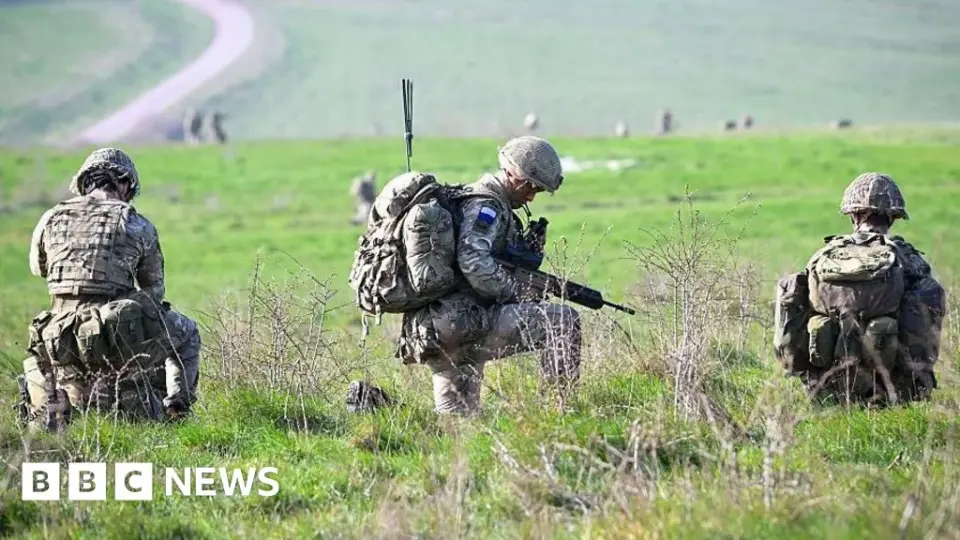
The UK government will mobilize a portion of its 95,000-strong strategic reserve in a 2027 exercise to test war readiness. This move follows warnings of a workforce crisis and aims to improve the call-out procedures for retired military personnel.
Key points
- Armed forces minister Louise Sandher-Jones confirmed that some veterans will be called up for a major 2027 exercise to test the Ministry of Defence's reaction to conflict.
- The drill will test procedures to call out, use, and equip retired troops at a scale not seen in a long time, addressing previous warnings about ineffective engagement systems.
- The strategic reserve, which includes approximately 95,000 retired regular and reserve officers, is being redefined as a 'real commitment' rather than a passive status.
- Recent policy changes raised the age limit for the strategic reserve from 55 to 65 and lowered the threshold for being called into service.
- The government is also planning a public awareness campaign for emergencies, including stockpiling food and water, and is considering scaling up a military 'gap year' program for under-25s.
- These measures come as the UK faces pressure to increase defence spending to 3% of GDP by the end of the decade, up from an estimated 2.4% last year.
Background
This development follows earlier concerns about the MoD's handling of veteran records and a broader push to improve military readiness. In September 2026, former defence minister Tobias Ellwood accused the MoD of withholding medical records of Cold War nuclear-test veterans, highlighting ongoing tensions between veterans and the defence establishment. The current mobilization plan is part of a wider 'real step change' in how the strategic reserve is utilized, moving away from a system where veterans were largely forgotten after leaving service.
How outlets are covering it
The BBC reports on the government's proactive steps to test and improve war resilience, highlighting the minister's personal experience and the shift in policy. The Telegraph and Yahoo sources were inaccessible or contained only technical error pages, so no additional perspectives could be synthesized. The Conservative Post headline suggests a focus on the growing war fears driving the 95,000-strong reserve test, but the article content was not available for detailed comparison. The BBC emphasizes the scale of the exercise and the broader context of NATO spending and civil defence, while the unavailable sources might have offered different angles on the political or public reception of these measures.
Why it matters
This move signals a significant shift in UK defence policy, moving from a passive reserve to an active, tested capability. It addresses a critical gap in the country's war readiness and workforce retention, potentially influencing future defence spending and public preparedness for emergencies. The exercise could set a precedent for how the UK mobilizes its strategic reserve in a conflict, impacting both military strategy and civilian resilience.
What to watch
The major exercise is scheduled for 2027, where the government will test the procedures for calling out, using, and equipping retired troops. In the coming months, a major government awareness campaign will launch to prepare the public for emergencies, potentially including stockpiling food and water. The military 'gap year' program, currently recruiting its first 150 students until March 2027, may be scaled up if it proves successful. The UK will also continue to face pressure to raise defence spending to 3% of GDP by the end of the decade.
- Some veterans to be called up to test UK's war resilience BBC
- Army to mobilise veterans in preparation for war The Telegraph
- Ministry of Defence readies plans for mobilisation of veterans The Times
- Britain to Test Recall of 95,000-Strong Veteran Reserve as War Fears Grow conservativepost.co.uk
- Veterans like me are ready to serve again. But not if we’re going to be sued Yahoo
Want the full story? Read the original reporting
Read on BBC