
Iran Weighs Fuel Rationing Amid War-Induced Supply Crisis
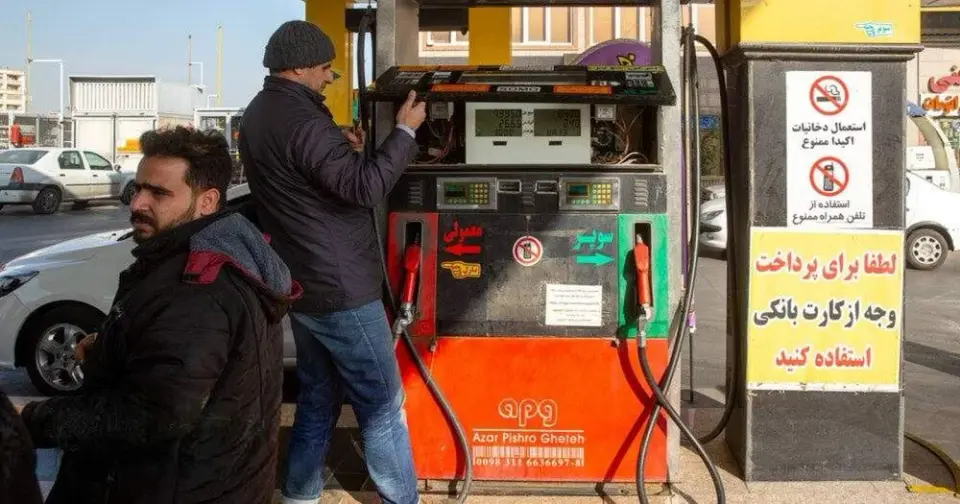
Iranian officials are evaluating three rationing strategies to address a daily gasoline deficit of 14 million liters, caused by war damage and import restrictions. While the government avoids price hikes to prevent unrest, new quotas for older vehicles and regional shortages are sparking public backlash and economic strain.
Key points
- Vice President Esmail Saghab-Esfahani outlined three proposals: capping daily station supplies at 121 million liters, tightening vehicle quotas, or shifting allocations to individuals.
- The third proposal would grant citizens 30 liters monthly, allowing them to trade quotas, alongside a plan to electrify 400,000 motorcycles and convert 130,000 trucks to natural gas.
- A previous attempt to raise prices in Kerman province was halted within hours due to fears of public unrest, echoing the deadly 2019 protests.
- Iran spent approximately $6 billion on gasoline imports in the fiscal year ending March 2026, but foreign currency shortages and war disruptions have made this unsustainable.
- New regulations restrict fuel quotas for vehicles older than 20 years, disproportionately affecting lower-income drivers and fishermen in southern provinces.
Background
Iran’s fuel crisis follows a period of intense military conflict that damaged infrastructure and disrupted trade. The government faces a delicate balance between addressing a widening supply gap and avoiding the social instability seen during the 2019 gasoline price hikes. International oil prices remain volatile due to tensions in the Strait of Hormuz, complicating Iran’s ability to import fuel. Meanwhile, domestic economic growth has stalled, and the government lacks the $13–30 billion needed to significantly boost domestic production.
How outlets are covering it
Iran International emphasizes the political sensitivity of fuel pricing, highlighting the government’s fear of repeating the 2019 unrest and the lack of a clear legal basis for recent price experiments. In contrast, IranWire focuses on the socioeconomic impact, noting that new quotas for older vehicles disproportionately burden lower-income households and essential workers like fishermen. While Iran International cites official production figures, IranWire points to regional distribution issues and war damage in the south as primary causes of local shortages, suggesting the crisis is not just national but deeply localized.
Why it matters
The fuel shortage threatens to destabilize Iran’s economy and social fabric. If rationing measures fail to curb consumption, the government may be forced to raise prices, risking widespread protests. The crisis also highlights the broader impact of war on Iran’s trade and energy security, as import difficulties and damaged infrastructure leave the country vulnerable to external pressures and internal discontent.
What to watch
The government is expected to finalize one of the three rationing proposals in the coming weeks. Public reaction to the new vehicle quotas and potential market-rate sales will be closely monitored. If unrest grows, authorities may delay implementation or seek alternative solutions, such as increased subsidies for essential services. The outcome will depend on the government’s ability to balance economic necessity with social stability.
- Iran weighs gasoline rationing as fuel deficit widens Iran International
- Fuel Shortages, and Soaring Misery Index Push Iran’s Clerical Regime to the Brink National Council of Resistance of Iran - NCRI
- Iran eyes ‘long-term’ gasoline price liberalization, vice president says anews.com.tr
- Iran’s fuel impasse: A regime caught between economic bankruptcy and the fear of uprising | mojahedin.org
- Iran’s Oil-Rich Southern Cities Face Severe Fuel Shortages and Endless Queues IranWire
Want the full story? Read the original reporting
Read on Iran International