Japan's headline inflation climbed to 1.9% in July—the year's high—driven by renewed energy costs and a 7.2% surge in wholesale prices, even as subsidies kept consumer inflation relatively muted; core-core inflation sits near 1.9%, fueling expectations of a BOJ rate hike in September as price pressures persist.
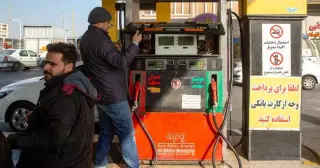
Iran is weighing three gasoline-rationing options to curb consumption as a daily shortfall grows beyond production (about 121 million liters) and demand (about 135 million), driven by war damage and import hurdles: cap station supplies at 121 million liters per day, impose stricter vehicle quotas with market-rate top-ups, or shift quotas to individuals (roughly 30 liters per person per month) while reserving some for public transport; no immediate subsidized-price changes have been announced, and a halted Kerman test underscores political risk. If production cannot rise, the deficit could widen to around 70 million liters per day within three years, implying costly investments and ongoing policy battles between hardliners and reformists.
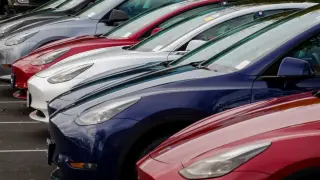
Tesla exhausted California’s five-day MyFirstEV rebate pool after the program launched, with $3,500 rebates for new EVs and $1,750 for used ones, leaving Tesla at a disadvantage due to price caps that exempt California‑based rivals Rivian and Lucid. InsideEVs estimates about $18 million in combined state and Tesla-funded rebates went to California buyers in those five days, part of roughly $271 million in total incentives (California contributing $135.5 million, matched by automakers) designed to offset the federal subsidy removal. Despite a national downturn in EV sales, California remains a strong market for Tesla, accounting for a large share of zero-emission vehicle registrations through June (about 57%), with roughly 500 Teslas registered daily in Q2.
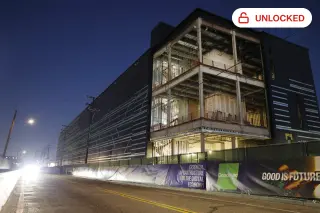
Data centers face backlash, but evidence shows their energy and water impacts are minor and the real problems are subsidies, permitting delays, and electricity constraints. The piece highlights significant local and national benefits—jobs, tax revenue, and AI-enabled growth—and argues for policy fixes (end subsidies, faster permitting and interconnection, and CRE power where feasible) rather than bans, with land-use decisions remaining local.
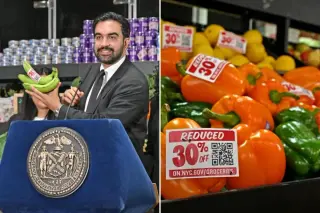
Mayor Zohran Mamdani’s plan to open five city-owned, privately operated groceries funded by public money and subsidized “Core Basket” items is drawing fire from insiders who say the 44-page EDC RFP reveals a flawed, costly model: bidders would price unknown stores in unknown neighborhoods, the plan envisions limited product diversity with various dietary options, stores would ship pre-made deli items, and there’s no means-testing—meaning taxpayers could subsidize groceries for nearby affluent shoppers while others go without.
Germany’s Finance Ministry says it will scale back funding from the Climate and Transformation Fund (KTF) over the coming years, trimming uncommitted spend by about 30% while keeping programmes alive. The KTF funds climate measures using carbon-pricing revenue and EU emissions trading proceeds, and will also receive €100 billion from a separate infrastructure/climate fund. Planned cuts will affect subsidies for heat pumps, electric vehicles, energy efficiency, and industrial decarbonisation and climate-friendly transport, though exemptions exist for strategically important measures; funding to reduce energy costs will increase next year. The plan aims to help close multibillion-euro budget gaps, drawing criticism from environmental groups who say the fund is being raided for budget balance.
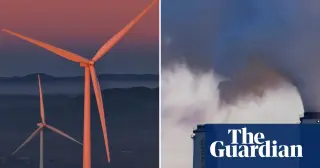
The Trump administration has diverted roughly $2.7 billion to pay developers to relinquish offshore wind leases and redirect funds toward coal, with the DOE also advancing hundreds of millions to extend coal plants and boost coal infrastructure; critics argue the moves raise electricity bills for consumers and benefit fossil-fuel donors, while White House officials say funds are being repurposed to provide affordable, reliable energy and that renewables are not being unjustly subsidized; independent analyses, however, often show renewables can be cheaper than coal.
A new KFF analysis finds Obamacare premiums are set to rise a median 14% next year, marking the second straight year of double-digit increases in the individual market. Subsidies will help some enrollees, but those earning more than 400% of the federal poverty level won’t qualify. The hikes are driven by higher overall medical costs and the expiration of enhanced ACA subsidies, with insurers warning a sicker risk pool will push costs higher. Enrollment has fallen about 3 million year over year to 19.2 million, though the figure remains larger than any year before 2024.
According to a KFF report, ACA marketplace premiums are likely to surge about 14% next year, driven by higher healthcare costs, inflation and the loss of enhanced tax subsidies; enrollment fell roughly 3 million this year—the program’s first sizable drop since its inception—as insurers file rate increases to cover rising costs.
The European Commission announced new import tariffs on Chinese battery electric vehicles on July 4, 2024, after determining Chinese manufacturers benefited from state subsidies, in an effort to level the playing field for European automakers.
China asserts it can endure a further deterioration or even a freeze in EU trade, via a CCTV-affiliated account that argues the EU altered tactics after an EV-subsidy probe and is weakening its normative power. EU Trade Commissioner Maros Sefcovic plans talks with Chinese minister Wang Wentao in Brussels amid a roughly €360 billion trade gap and concerns over subsidized Chinese imports, while China says firms are deprioritizing Europe even as investments in NEVs and automotive continue—leaving the outlook for deeper cooperation uncertain if the EU keeps a hard line.
The Trump administration will reimburse Invenergy $765 million to terminate four offshore wind leases, including the Morro Bay lease off California, and redirect investments to natural-gas-fired power and geothermal projects. The move marks a continued effort to wind down the U.S. offshore wind program and faces criticism from California officials and environmental groups who argue it undermines clean-energy goals and could invite legal challenges over taxpayer funds; only three California offshore wind leases remain, underscoring a shift driven by policy and market dynamics toward gas and geothermal.
Hundreds of Indonesian students rallied in Jakarta to protest President Prabowo Subianto’s spending priorities and this week’s gasoline price rise, naming the protest “Heading to Bankrupt Indonesia.” They demanded five points: cancel Prabowo’s flagship free meals and village-cooperatives programs, lower fuel and staple-food prices, and end “wasteful” spending. The government defended subsidies and the free meals program as public-health measures and said the protests are democratic, while critics fear expanded military roles could threaten democracy; protesters cited concerns about governance and potential fiscal strain on subsidies amid higher oil prices.
The Trump administration plans to invest more than $800 million in public funds to revive coal-fired power, funding new plants in Alaska and West Virginia and propping up about 14 struggling facilities across 11 states, tapping clean-energy funds and invoking the Defense Production Act; the move, which could face legal challenges, aims to revive an industry increasingly uneconomic next to natural gas and renewables.
Illinois lawmakers adjourned without a Bears stadium incentives bill; Gov. Pritzker and legislative leaders defended their process and said they won’t commit billions in public subsidies, noting a late, novel amendment derailed the vote. With Indiana offering subsidies, Springfield plans to revisit the issue in summer, focusing on local stadium authorities and infrastructure rather than state funds.