
Cambridge Appoints Nazir Afzal to Lead Independent Review of Jason Arday Support
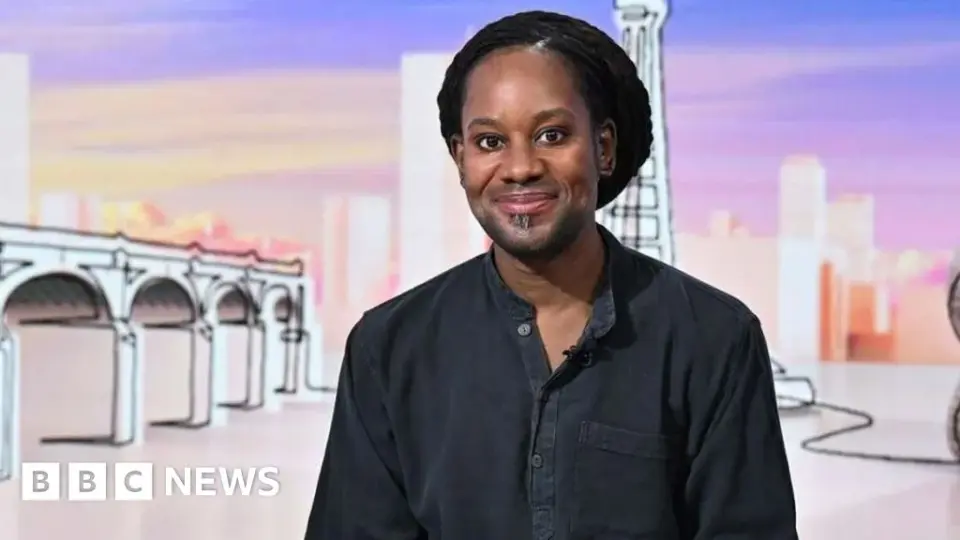
The University of Cambridge has launched a two-part independent review into its handling of former professor Jason Arday, who died in August 2026 after resigning amid plagiarism allegations. The first phase, led by former chief crown prosecutor Nazir Afzal, will examine the support and protections available to Arday before his death, with findings due within three months. The second phase will assess wider institutional practices, including recruitment and responses to public scrutiny, with an expert panel including individuals with lived experience. Vice-Chancellor Deborah Prentice acknowledged the university’s failure to prevent the 'devastating outcome,' while critics argue the review addresses symptoms rather than the structural inequities of the neoliberal university.
Key points
- Cambridge’s Vice-Chancellor Prof Deborah Prentice announced the review on Friday, stating the university is asking whether it could have done more to support Arday during intense external criticism.
- Nazir Afzal, chancellor of the University of Manchester and former chief crown prosecutor for the North West, will lead the first part of the review, focusing on support, interventions, and protections in the period before Arday’s death.
- The first phase is expected to report within three months, with recommendations for 'urgent action' to be implemented without delay.
- The second phase will examine the wider context of Arday’s time at Cambridge, including senior staff recruitment, mentoring, and the university’s response to allegations of research misconduct.
- An independent external chair will lead the second part, advised by an expert panel including individuals with lived experience, with conclusions expected within six months of the panel’s establishment.
- Arday, 41, was found dead at his London home on 14 August, nine days after resigning as professor of sociology of education amid plagiarism allegations he denied, attributing some errors to his autism and use of mimicry.
Background
Jason Arday became Cambridge’s youngest Black professor in 2023 at age 37. In August 2026, he resigned after the university announced an investigation into his academic qualifications, following plagiarism allegations by Nathan Cofnas. Arday died nine days later. An inquest opened in late August 2026, with police stating the death was not suspicious but possibly unnatural. A vigil in Trafalgar Square was attended by thousands, and calls for a public inquiry into media coverage emerged. Arday’s family described a 'campaign of misinformation' and shock at his loss.
How outlets are covering it
BBC and The Guardian emphasize the university’s accountability and the specific mandate of the review, highlighting Prentice’s admission that the university is questioning whether it could have done more. The Guardian notes that higher education minister Jacqui Smith is monitoring Cambridge’s response, with the Office for Students holding powers to investigate further. Canadian Dimension offers a critical structural perspective, arguing that Arday’s death exposes the 'neoliberal university' as a 'killing field' that rewards conformity and resists transformation, suggesting that EDI policies have failed to address deep-seated inequities. The Telegraph source was inaccessible due to a security block, so no perspective could be extracted. Outlets differ in framing: BBC and Guardian focus on procedural accountability and support failures, while Canadian Dimension critiques the institutional framework itself, arguing that Arday’s appointment was a symptom of a university resistant to change rather than a symbol of transformation.
Why it matters
The review sets a precedent for how elite institutions respond to the intersection of academic misconduct allegations, public scrutiny, and staff welfare. The involvement of Nazir Afzal, known for his 2022 review of the London Fire Brigade’s culture of misogyny and racism, signals a serious intent to examine systemic failures. The two-part structure, with urgent recommendations from the first phase, suggests Cambridge aims to implement immediate changes while conducting a broader institutional assessment. The case also highlights the vulnerability of academics facing 'extraordinary public and media scrutiny,' particularly those from marginalized communities, and raises questions about the adequacy of current support mechanisms in higher education.
What to watch
The first part of the review will report within three months, with recommendations for 'urgent action' to be implemented without delay. The second part will conclude within six months of the expert panel being established. The Office for Students may investigate further if Cambridge’s response is deemed inadequate. Calls for a public inquiry into media coverage of Arday may gain traction as the review progresses. Arday’s family has expressed shock and described a 'campaign of misinformation,' and his memoir is due to be published, which may further shape public discourse.
- Cambridge launches review into support for Jason Arday before death bbc.com
- Cambridge University asks former chief crown prosecutor to open Arday review The Guardian
- The university is the crisis Canadian Dimension
- Rochdale rape gangs prosecutor to investigate Cambridge over Arday The Telegraph
- Berlin Dispatches: Arriving at Cambridge in the shadow of Jason Arday therecord.com
Want the full story? Read the original reporting
Read on bbc.com