
Istanbul Unveils 420-Meter Underground Network Beneath Hagia Sophia
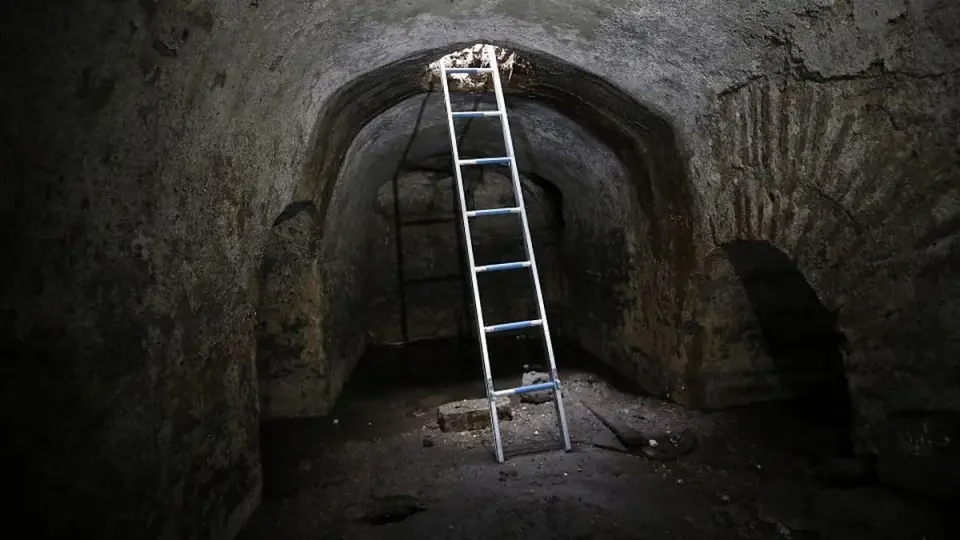
Turkish authorities have uncovered a vast network of tunnels and chambers beneath the Hagia Sophia in Istanbul, confirming centuries-old rumors. The excavation, part of a major conservation project, has revealed 420 meters of tunnels, six chambers, and a Roman burial structure, with plans to eventually open parts of the underground to the public.
Key points
- A network of tunnels, water channels, and vaulted chambers has been excavated beneath the Hagia Sophia in Istanbul, some sections dating back to before the current 537 CE structure.
- The discovery is part of a three-year conservation project aimed at restoring the central dome and improving earthquake resilience, marking the most comprehensive work at the site in nearly 1,500 years.
- Nearly 3,000 tons of debris have been removed, and 420 meters of tunnels have been cleared so far, with officials suggesting the network may extend for kilometers more.
- Six chambers and nine tunnels have been identified, including a Roman hypogeum (burial structure) located under the Vizier's Garden, which predates the current building.
- The Ministry of Culture and Tourism aims to make suitable sections of the underground visible to the public, though no specific timeline has been announced.
Background
The Hagia Sophia, a UNESCO World Heritage site, has been a site of religious and cultural significance for over 1,500 years, transitioning from a church to a mosque, then a museum, and back to a mosque in 2020. Previous underground discoveries, including a Roman hypogeum found in the 1940s, had hinted at hidden infrastructure, but this recent excavation is the most extensive. The site's history includes layers of construction from the Roman, Byzantine, and Ottoman eras, with the current structure built under Emperor Justinian I in the 6th century. The discovery aligns with broader efforts to preserve and document Istanbul's historic water management and engineering infrastructure.
Why it matters
This discovery provides critical insights into the engineering and urban infrastructure of Imperial Constantinople, particularly its water distribution and drainage systems. It enhances the historical understanding of the Hagia Sophia as a multi-layered site and could significantly boost cultural tourism in Istanbul. The potential public access to these underground spaces may offer a unique experience comparable to other famous subterranean sites, such as the Vatican Grottoes, while also contributing to the preservation of the monument's structural integrity.
What to watch
The conservation project will continue over the next three years, with ongoing efforts to clean, document, and preserve the underground structures. Authorities plan to evaluate which sections can be safely opened to the public, potentially transforming the site into a major tourist attraction. Further excavations may reveal additional tunnels and chambers, expanding the known network and providing more evidence of Constantinople's ancient engineering achievements.
Want the full story? Read the original reporting
Read on Yahoo News Singapore