
Lesotho's Night Schools Offer Education to Isolated Shepherds
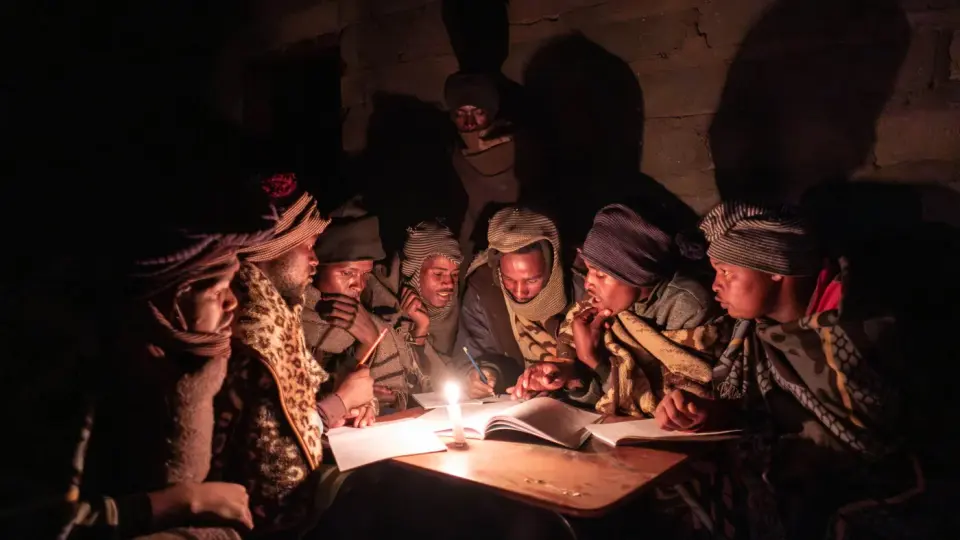
In Lesotho, volunteer-run night schools provide basic literacy to thousands of shepherds who missed formal schooling due to traditional herding duties. These classes, often held in remote mountain areas, offer a critical second chance for education and socialization, though they face financial instability and bureaucratic hurdles from the government.
Key points
- Kabelo Mohai and Lepeli Maapesa walk up to two hours daily from high-altitude cattle posts to attend the Good Shepherd Night School in Semonkong, Lesotho.
- The Good Shepherd Night School, founded in 2003 by the Good Shepherd Sisters of Quebec, serves over 40 students aged 15 to 55, teaching basic reading, writing, and math.
- Approximately 155 similar night schools operate across Lesotho, many run by volunteers on shoestring budgets, with the government slowly attempting to formalize them through stipends.
- Shepherding is a traditional role for boys in Lesotho, with nearly half of all boys engaged in herding, often at the expense of their education.
- The schools provide not just education but also socialization and health awareness, helping isolated shepherds reconnect with society and develop social skills.
- Financial and bureaucratic challenges persist, with educators' contracts often delayed, and some schools lacking basic infrastructure like electricity.
Background
Lesotho, known as the 'Kingdom in the Sky,' is the only country entirely above 1,000 meters, with a culture deeply tied to livestock. Wool and mohair account for 60% of agricultural exports, supporting a quarter of the rural population. The country faces significant gender disparities in education, with only 69% of boys completing primary school compared to 92% of girls, and just 22% of boys progressing to secondary education.
Why it matters
These night schools address a critical gap in education for a vulnerable population, offering a pathway out of poverty and isolation. They highlight the intersection of tradition, poverty, and education in rural Lesotho, and the ongoing struggle to balance cultural practices with modern educational needs. The success or failure of these programs could influence broader policies on non-formal education and rural development in the region.
What to watch
The Lesotho government's Non-Formal Education Department is expected to continue efforts to formalize night schools and provide stipends to educators, though bureaucratic delays remain a challenge. The sustainability of these volunteer-run schools depends on continued community support and potential government funding. Long-term outcomes for students like Ketso Mokoena, who transitioned to formal high school, will be monitored to assess the impact of these programs.
Want the full story? Read the original reporting
Read on NPR