In Lesotho, volunteer-run night schools provide basic literacy to thousands of shepherds who missed formal schooling due to traditional herding duties. These classes, often held in remote mountain areas, offer a critical second chance for education and socialization, though they face financial instability and bureaucratic hurdles from the government.
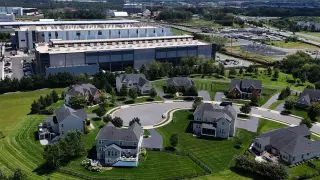
The AI boom has triggered a massive commercial land rush in the U.S., with data center purchases reaching $6 billion in the first half of 2026. This surge is driving up rural property values, straining water and power grids, and prompting backlash from farmers, local officials, and Native tribes. While some communities benefit from tax revenue, others face displacement, rising utility costs, and threats to agricultural land.
U.S. Secretary of Agriculture Brooke Rollins announced new presidential appointments across USDA agencies, including key leadership roles in Food and Nutrition Service, Farm Service Agency, and Rural Development, emphasizing support for farmers and rural America aligned with President Trump's America First policies.
In Loudoun County, Virginia, a debate rages over whether to preserve the area's 250 miles of gravel roads by putting them on the National Register of Historic Places, as a way to protect the rural landscape from suburban development. Supporters argue that the roads hold historical significance and contribute to the area's charm, while detractors view them as outdated and unsafe. The battle has intensified, with residents clashing over paving decisions, and preservationists fear that the unique rural character of the county is at risk as development continues to encroach.
The Biden-Harris Administration, in partnership with the U.S. Department of Agriculture (USDA), is investing nearly $196 million in 185 projects across 37 states and Puerto Rico to strengthen American food and agriculture supply chains, expand markets for agricultural producers, and lower food costs. These investments aim to create economic opportunities for rural businesses and entrepreneurs, enhance local and regional food systems, and increase competition in the agricultural sector. The funding will support various projects, including the modernization of food processing facilities, expansion of marketing and sales for organic produce, and decarbonization efforts in farming. The initiatives are part of President Biden's agenda to lower costs for American families and boost investment in critical supply chains.