
Moscow Orders Lower-Grade Fuel Production as Drone Strikes Cut Refinery Output by a Third
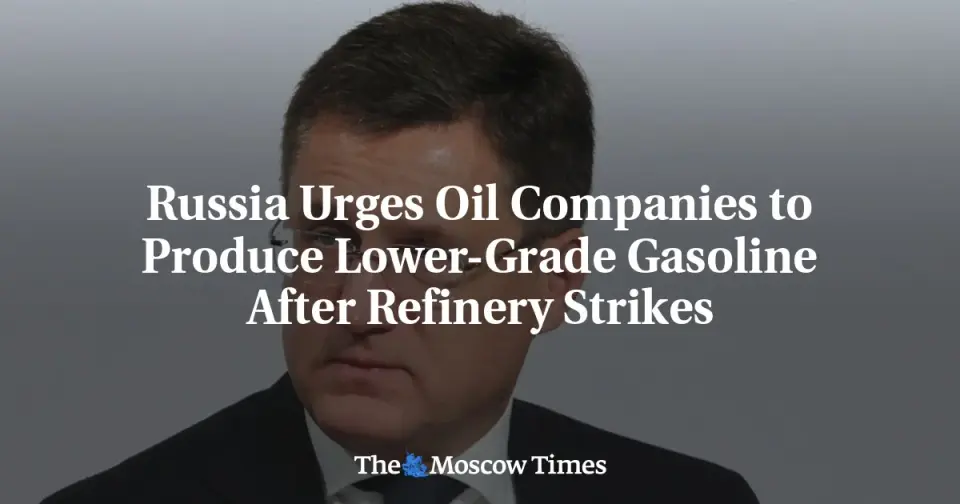
Russian authorities have mandated the production of lower-grade gasoline to mitigate domestic shortages caused by a sustained Ukrainian drone campaign targeting refineries. Deputy Prime Minister Alexander Novak instructed oil companies to prioritize fuel meeting standards as low as Euro-2, a category banned in 2013, while continuing imports and accelerating repairs. This directive follows a surge in attacks that has reduced Russia’s total oil processing capacity to approximately 3.7 million barrels per day, roughly one-third below pre-war levels. Recent strikes have damaged major facilities in Bashkortostan, Tatarstan, and the Moscow region, with officials reporting fires, injuries, and significant infrastructure damage across multiple regions.
Key points
- Deputy PM Alexander Novak ordered oil companies to produce gasoline below Euro-5 standards, allowing for Euro-2 fuel which contains up to 50 times more sulfur.
- Russia’s total oil processing capacity has dropped to an estimated 3.7 million barrels per day, a 33% decline from pre-war levels, according to Rand Corp estimates.
- Ukrainian drone strikes have hit at least 13 refineries since late October, with three plants completely halting production and others operating at reduced capacity.
- The government authorized the sale of lower-grade fuel (K2, K3, K4 standards) until July 1, 2027, to prevent domestic shortages.
- Recent attacks targeted the Gazprom Neftekhim Salavat complex in Bashkortostan and the Nizhnekamsk petrochemical hub, causing fires and injuries.
Background
This development follows a series of escalating strikes in November 2026, including a November 5 attack on the Ryazan refinery and a November 13 incident that disrupted 55% of gasoline output. These events occurred amid stalled peace talks in Abu Dhabi and rising global oil prices, with Ukraine citing Russian attacks on its own energy infrastructure as justification for targeting Russian refineries.
How outlets are covering it
The Moscow Times emphasizes the regulatory response, highlighting Novak’s directive to produce substandard fuel and the specific environmental implications of Euro-2 gasoline. Bloomberg and France 24 focus on the geographic reach and immediate impact of recent strikes, detailing explosions in Bashkortostan and Tatarstan, as well as civilian casualties in Taganrog. Ukrinform provides technical details on the damage to the Gazprom Neftekhim Salavat complex and a substation in Kursk, noting the strategic importance of these facilities for military logistics and industrial supply chains. While all sources agree on the severity of the damage, they differ in emphasis: Moscow Times focuses on policy, Western outlets on the attack scale, and Ukrinform on the specific infrastructure targets.
Why it matters
The shift to lower-grade fuel signals a critical strain on Russia’s energy infrastructure, potentially leading to long-term environmental and economic consequences. Reduced refining capacity may force continued reliance on imports, increasing vulnerability to global market fluctuations. Furthermore, the expansion of strikes to deep interior regions like Bashkortostan and Tatarstan indicates a widening of the conflict’s geographic scope, challenging Russia’s ability to secure its industrial heartland.
What to watch
Monitor for further regulatory adjustments or public backlash regarding fuel quality. Watch for additional drone strikes targeting remaining operational refineries, particularly in the Urals and Siberia. Assess the impact of reduced processing capacity on global oil prices and Russia’s export revenues. Track any official responses from Kyiv regarding the scope of the campaign and potential ceasefire negotiations.
- Russia Urges Oil Companies to Produce Lower-Grade Gasoline After Refinery Strikes The Moscow Times
- Ukrainian Drones Target Two Oil Refineries Deep Inside Russia Bloomberg.com
- Ukrainian drone attacks 'neutralized' 55% of Russia's oil refining capacity, Zelensky says The Kyiv Independent
- Ukrainian drones strike Russia's petrochemical capital in overnight assault France 24
- Fire breaks out at a petrochemical complex after attack in Russia’s Bashkortostan – media Ukrinform
Want the full story? Read the original reporting
Read on The Moscow Times