
Roseank Oil Field Awaits Final Verdict Amid Harsh North Atlantic Conditions
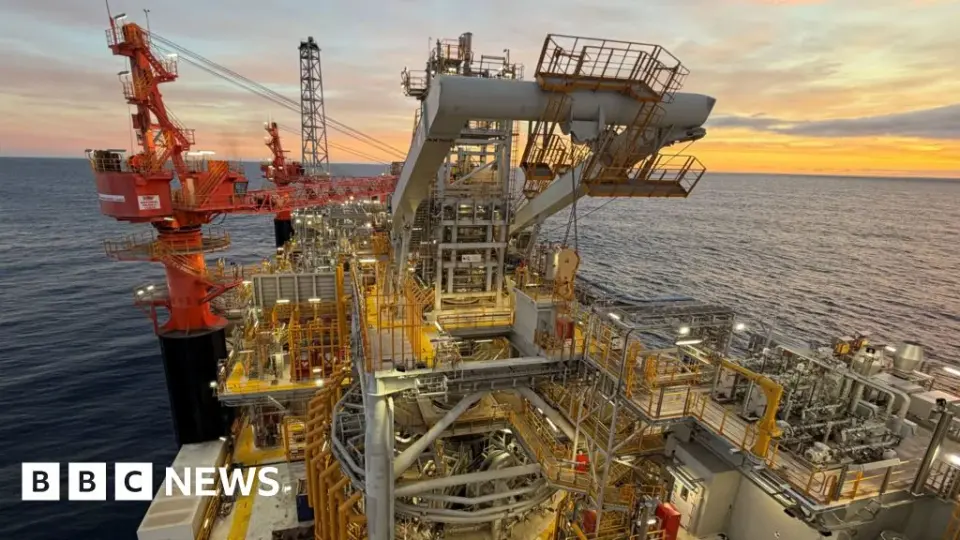
The UK government is poised to decide on the Roseank oil field, a major North Atlantic project owned by Adura and Ithaca, before Christmas. While the recent approval of the Jackdaw gas field has energized industry supporters, Roseank remains contentious due to its higher greenhouse gas emissions and export-focused nature. Energy Secretary Miatta Fahnbulleh holds the final authority, though she has signaled a potential rejection. The project, located 80 miles northwest of Shetland, involves a floating production vessel staffed by 122 workers facing severe winter weather. Critics argue the move undermines climate goals, while proponents highlight potential tax revenue and gas supply to UK homes.
Key points
- The UK government is expected to make a final decision on the Roseank oil field before Christmas, following the recent approval of the Jackdaw gas field.
- Roseank is larger than Jackdaw and generates higher greenhouse gas emissions, with estimated reserves of 300m to 500m barrels sufficient for 25 years of production.
- Energy Secretary Miatta Fahnbulleh has asserted sole authority over the decision, indicating a leaning toward rejection due to the project's export focus and carbon impact.
- The field is operated by Adura (80% owner, a Shell-Equinor joint venture) and Ithaca, with oil loaded onto tankers for international markets, primarily continental Europe.
- Environmental campaigners, including Uplift and Greenpeace, argue the project is disastrous for climate goals and benefits already profitable corporations rather than ordinary people.
- Supporters, including Adura CEO Neil McCulloch, argue the project will generate millions in tax and supply gas to heat 500,000 British homes via the St Fergus terminal.
Background
The Roseank decision follows a series of delays and political tensions surrounding North Sea drilling. In September 2026, the UK government postponed decisions on Jackdaw and Roseank until after an October 8 by-election to prioritize political stability. In October 2026, the UK greenlit the Jackdaw gas field, sparking a climate and political clash, while announcing a £2 billion energy wealth fund for renewables. Simultaneously, concerns arose that Roseank approval might conflict with new UK sanctions against Israeli settlements, given Delek Group's stakeholder involvement. Energy Secretary Fahnbulleh has since asserted sole authority over the Roseank decision, rejecting claims that Prime Minister Andy Burnham or Chancellor John Healey would override her. The current decision comes amid a long-term decline in UK oil production, which peaked 25 years ago, and a shift toward renewable energy jobs.
Why it matters
The Roseank decision represents a critical juncture in UK energy policy, balancing economic interests against climate commitments. Approval could signal a shift toward fossil fuel expansion, potentially undermining the UK's re-industrialization and renewable energy goals, while rejection would align with climate campaigners' demands. The outcome will also influence future gas developments in the North Sea and affect energy security, tax revenue, and international market dynamics. For workers and communities, the decision impacts jobs, local economies, and environmental risks, highlighting the tension between immediate economic benefits and long-term sustainability.
What to watch
The UK government is expected to announce its decision on the Roseank oil field before Christmas. If approved, production could begin, potentially paving the way for four additional gas developments west of Shetland. If rejected, the project may face further legal or regulatory challenges, and the focus may shift to renewable energy investments. Energy Secretary Fahnbulleh will likely provide further details on her reasoning, while industry and environmental groups will react to the outcome. The decision may also influence future sanctions and diplomatic stances, given the stakeholder involvement of Delek Group.
Want the full story? Read the original reporting
Read on BBC