
Saudi Pipeline Shutdown Exposes Fragility of Global Oil Supply Amid Iran War
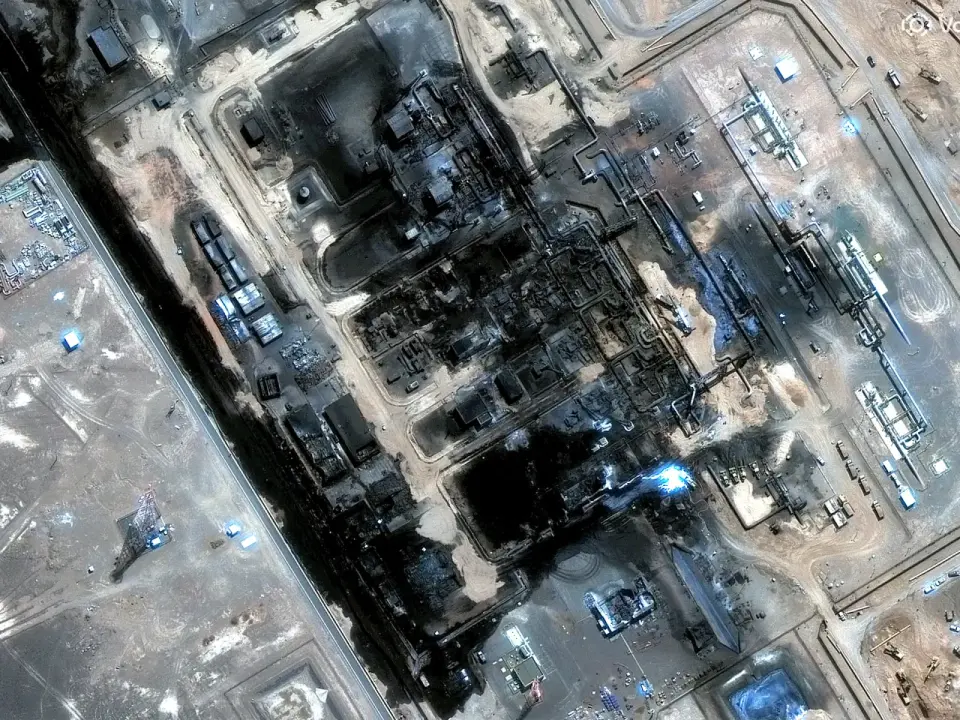
Saudi Arabia suspended operations on its 1,200km East-West pipeline after drone attacks from Iraq damaged infrastructure near Riyadh and Medina. The shutdown removes a critical bypass for the Strait of Hormuz, which carries 4-5 million barrels per day, exacerbating global oil supply shortages. While repairs may take five to six weeks, existing stockpiles in Yanbu and Egypt provide a temporary buffer. The incident has intensified diplomatic tensions, leading to the postponement of a Gulf-Iran meeting in Oman, and has driven Brent crude prices toward $108 per barrel.
Key points
- The East-West pipeline, capable of moving 7 million barrels per day, was shut down as a precaution after drone strikes caused injuries and damage in the Riyadh and Medina regions.
- Saudi authorities traced the drone launch to Maysan province in southeastern Iraq, an area with a strong presence of Iran-aligned armed groups.
- The closure removes a vital alternative route for Saudi oil, as flows through the Strait of Hormuz have dropped to 6-9 million barrels per day from a pre-war level of 20 million.
- Yanbu port and Egyptian storage facilities in Ain Sukhna and Sidi Kerir hold enough crude to sustain exports for five to seven days, but global inventories are already at multi-decade lows.
- A diplomatic meeting between Iran and Gulf states in Salalah, Oman, was abruptly postponed by the host nation, citing the need for consensus in the wake of the attack.
Background
This incident follows a series of escalating disruptions in the Middle East since the US-Israel war on Iran began in February 2026. Previous attacks on Saudi infrastructure, including a March strike near the Yanbu refinery, had demonstrated the vulnerability of western oil routes. The current shutdown is part of a broader pattern of Houthi attacks in the Red Sea and Bab al-Mandeb, which have forced Saudi Arabia to rely more heavily on the East-West pipeline to maintain export volumes.
How outlets are covering it
Al Jazeera emphasizes the pipeline's role in bypassing the Strait of Hormuz and highlights the potential for Brent crude to reach $150 per barrel if inventories continue to deplete. The New York Times frames the event as a 'worst-case scenario' for Saudi Arabia, noting the kingdom's frustration with the US for failing to confront the Houthis and the failure of diplomatic efforts with Iran. CNBC focuses on the immediate market reaction, noting that the pipeline's contribution to market stability has been more significant than US strategic reserve releases, and highlights the security risks posed by Houthi advances in Yemen.
Why it matters
The shutdown of the East-West pipeline removes a key buffer against the severe oil supply disruptions caused by the closure of the Strait of Hormuz. With global inventories at 30-year lows and the IEA predicting a 5.7 million barrel per day decline in world supply this year, the closure threatens to push oil prices higher and strain refining capacity. The incident also signals a deepening geopolitical crisis, as the postponement of diplomatic talks suggests that the conflict may escalate further, potentially leading to a more prolonged and severe energy shock.
What to watch
Analysts expect repairs to the pipeline to take five to six weeks, though some sources suggest operations could resume sooner. Saudi Arabia will likely rely on its remaining stockpiles in Yanbu and Egypt to maintain exports in the short term. The postponed diplomatic meeting between Iran and Gulf states may be rescheduled, but the current security situation in the Red Sea and Bab al-Mandeb remains precarious, with further attacks on tankers and infrastructure likely.
- Why Saudi Arabia’s East-West pipeline matters for global oil Al Jazeera
- Saudi Arabia Faces ‘Worst-Case Scenario’ After Iran’s Attacks and Trump’s Rebuffs The New York Times
- Saudi Arabia may be just days away from not being able to export much oil MarketWatch
- Oil prices rise after Saudi Arabia shuts down critical pipeline that bypasses Strait of Hormuz cnbc.com
- Tanker on fire, Iranian media claims NewsNation
Want the full story? Read the original reporting
Read on Al Jazeera