energy-and-geopolitics2.81 min read
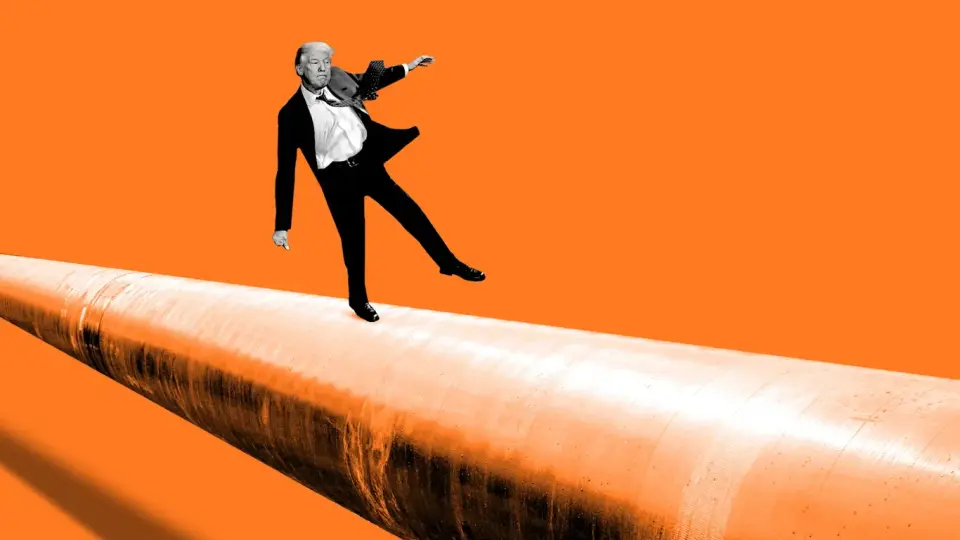
Trump's Russian Diesel Deal Sparks Legal, Political, and Transatlantic Backlash
2 hours ago•Source: Axios

The latest energy and geopolitics stories, each synthesized from multiple sources with added background and context.
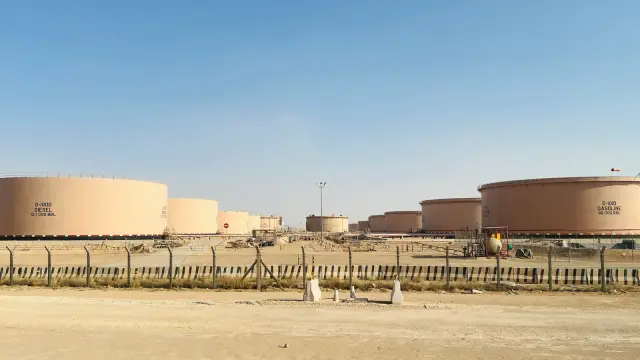
Brent and WTI crude prices rose on Monday after reversing initial losses, driven by concerns over Middle East instability and Hurricane Isaias. President Trump declared an 'energy ceasefire' between Russia and Ukraine, but Ukrainian President Zelenskyy reported that Russian strikes on power plants continued immediately after the announcement. European leaders criticized Trump’s diesel deal with Moscow, while Iran offered diplomatic assistance regarding Saudi-Yemen tensions.
Al Jazeera•1 day ago
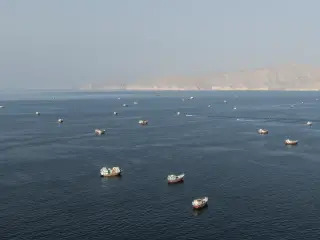
Provisional data from ship-tracking firm Kpler indicates that crude oil exports from the Middle East exceeded pre-war averages on four of the last seven days in September 2026. While overall regional exports averaged 22.4 million barrels per day (bpd) in late September, Iranian officials dispute the volume, claiming only 3-4 million bpd are moving through the Strait of Hormuz. The region has maintained high output despite active military tensions, including claims of attacks on US Navy vessels and the absence of US warships in the Gulf.
The Trump administration’s pressure campaign on Europe to release diesel from strategic reserves has succeeded, with G7 nations agreeing to release 100 million barrels of diesel and crude over four months. This move follows record-high diesel prices driven by refinery damage from the Iran and Ukraine wars, and comes after the US threatened an export ban to force European compliance.
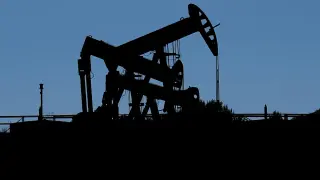
The International Energy Agency (IEA) confirmed that 325 million barrels of oil and derivatives have been released from strategic reserves, representing over 80% of the 400 million barrels pledged in March. This update follows a new G7 agreement to release an additional 100 million barrels over four months, a move driven by US pressure to lower record-high diesel prices. The release aims to stabilize markets amid supply disruptions from the US-Iran conflict and Ukrainian strikes on Russian refineries.
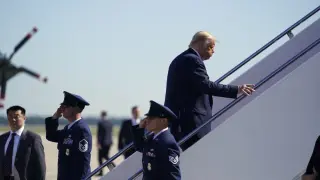
President Trump announced that South Korea’s investment package includes $8.4 billion for U.S. enhanced oil recovery and $54 billion for the Alaska LNG pipeline. South Korea’s government denied these specific commitments, stating the projects remain under review and were not part of the finalized agreement.
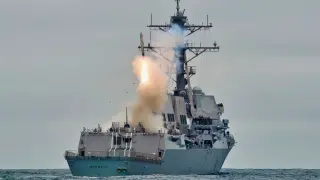
Middle East crude exports have rebounded to 98% of pre-war levels, driven by US naval escorts and pipeline diversions. However, analysts warn that this recovery is fragile, with refined product flows remaining constrained and global inventories shrinking.
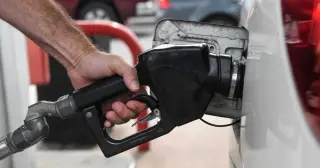
The European Union has initiated high-level diplomatic talks with the Trump administration to prevent a proposed 90-day ban on U.S. diesel exports. Brussels argues that such a restriction would severely disrupt global energy markets and harm both sides, noting that the EU imports over half of its diesel from the U.S. The move comes amid record-high fuel prices in the U.S., driven by conflicts in the Middle East and Ukraine, and growing political pressure on President Trump ahead of midterm elections.
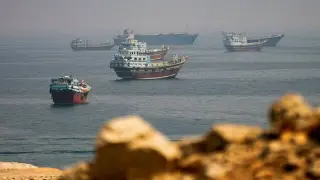
The US is negotiating a $10 billion joint investment fund with eight Arab nations to rebuild war-damaged energy infrastructure and create alternative export routes, aiming to reduce regional dependence on the Strait of Hormuz.
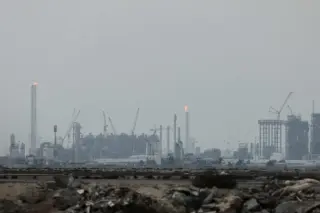
Qatar Energy Minister Saad Al-Kaabi rejected U.S. Treasury Secretary Scott Bessent’s assertion that the Strait of Hormuz will lose strategic value within two years. Speaking at the Qatar Economic Forum in New York on September 20, 2026, Al-Kaabi emphasized that the waterway remains vital for global trade beyond oil and gas. He confirmed that Qatar has decided against building bypass pipelines, relying instead on the strait for its liquefied natural gas exports. This stance contrasts with regional competitors like the UAE and Saudi Arabia, which are investing in alternative routes and Red Sea ports to mitigate risks from the ongoing U.S.-Iran conflict.
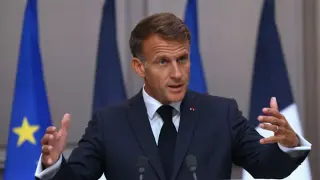
French President Emmanuel Macron announced plans to convene a G7 summit to coordinate the release of strategic oil and fuel reserves, responding to soaring energy prices and supply disruptions caused by Middle East conflict. The move follows a sharp spike in Brent crude and record-high diesel costs, exacerbated by an attack on a Saudi pipeline and reduced Russian diesel exports. Macron also signaled a push for a coordinated European response on natural gas storage, as the EU enters winter with record-low reserves. While the IEA previously coordinated a massive 400 million-barrel release in March, the pace of new releases has slowed, raising questions about the availability of further emergency stocks.

Saudi Aramco has suspended crude oil shipments to European customers following a drone attack on the East-West pipeline, a move that exacerbates supply fears as Houthi forces seize control of the Bab al-Mandeb strait. While oil prices have spiked above $107 per barrel, President Trump has declined to intervene militarily against the Houthis, citing domestic political constraints and a focus on the Strait of Hormuz. This hesitation has prompted Saudi Arabia to pursue a 14-nation maritime alliance and redefine its role as a global energy guarantor, signaling a shift in the traditional US-Gulf security bargain.