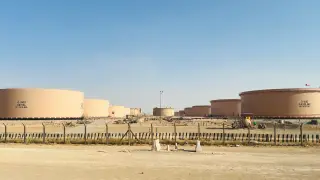
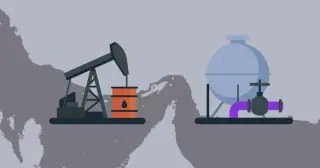
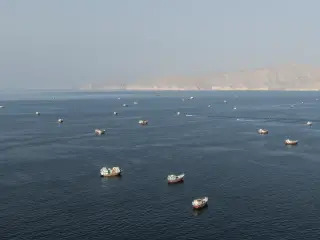
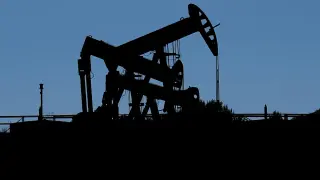
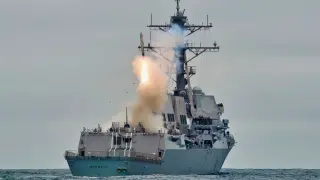
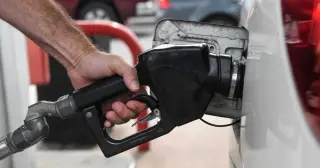
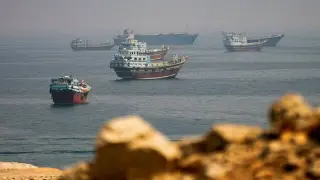
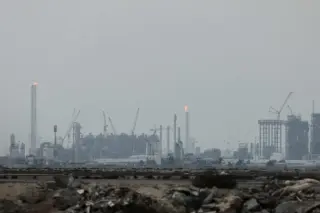
The ongoing US-Israel war with Iran has severely disrupted global energy flows, forcing nations to rely on dwindling emergency stockpiles. While the 25th World Petroleum Council Energy Congress proceeds in Riyadh despite a recent Houthi attack that killed 12 people, the event highlights the fragility of global supply chains. Fossil fuels still account for 81 percent of global energy consumption, with oil making up 31.4 percent. The conflict has constrained key chokepoints like the Strait of Hormuz, which previously handled 27 percent of seaborne oil trade. Consequently, countries heavily dependent on Middle Eastern supplies, such as Eritrea, Madagascar, and Japan, face rising costs and shortages. Emergency oil reserves are critically low, with the US Strategic Petroleum Reserve at its lowest level since 1982, prompting the International Energy Agency to prepare further releases to stabilize prices.