
2026 Mangrove Photography Awards Highlight Wildlife and Pollution in Coastal Ecosystems
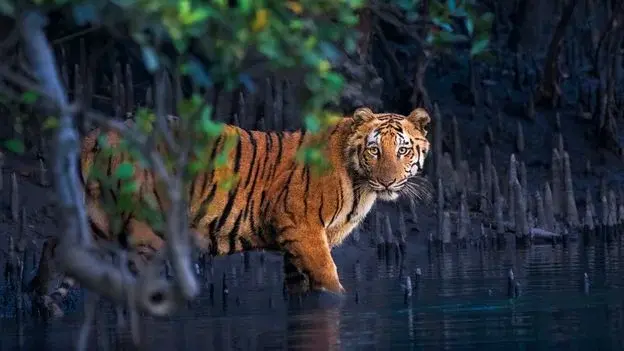
The 2026 Mangrove Photography Awards showcased 13 images highlighting the biodiversity and fragility of mangrove forests. The overall winner depicted a discarded fishing net in India, while other entries featured rare species like Bengal tigers and Florida dolphins. The competition emphasized both the ecological value of mangroves and the threats they face from pollution and development.
Key points
- The 2026 Mangrove Photography Awards featured 13 striking images from locations including India, the Bahamas, Florida, and Indonesia.
- Gaurav Patil won the overall prize for an image of a discarded 'ghost net' tangled in a mangrove near Mumbai, highlighting the hazard of marine debris.
- Entries captured unique behaviors, such as bottlenose dolphins in Florida Bay using mud to trap fish and mudskippers in the Sundarbans.
- Mangroves are noted for storing up to five times more carbon than land-based forests and protecting over 150 million people from storm surges.
- Threats to mangroves include deforestation for agriculture and fish farming, as well as pollution, though global coverage has seen a net increase of 477.2 sq km since 1985.
Background
Mangrove forests are critical coastal ecosystems found in over 100 countries, serving as nurseries for fish and buffers against climate change. Previous coverage has highlighted the importance of coastal biodiversity and the impact of human activity on marine environments. The current awards draw attention to the ongoing balance between conservation efforts and environmental degradation in these sensitive zones.
Why it matters
Mangroves play a vital role in carbon sequestration and coastal protection, yet they face significant risks from human activity. The awards serve as a visual reminder of the ecological value of these habitats and the urgent need to address pollution and deforestation to preserve them for future generations.
What to watch
Organizers of the Mangrove Photography Awards will likely continue to promote awareness of coastal conservation. Global Mangrove Watch data suggests a slight net increase in mangrove cover, but ongoing threats from development and climate change require continued monitoring and protective measures.
Want the full story? Read the original reporting
Read on BBC