
Five Tactics Used to Weaken Climate Deals at COP31
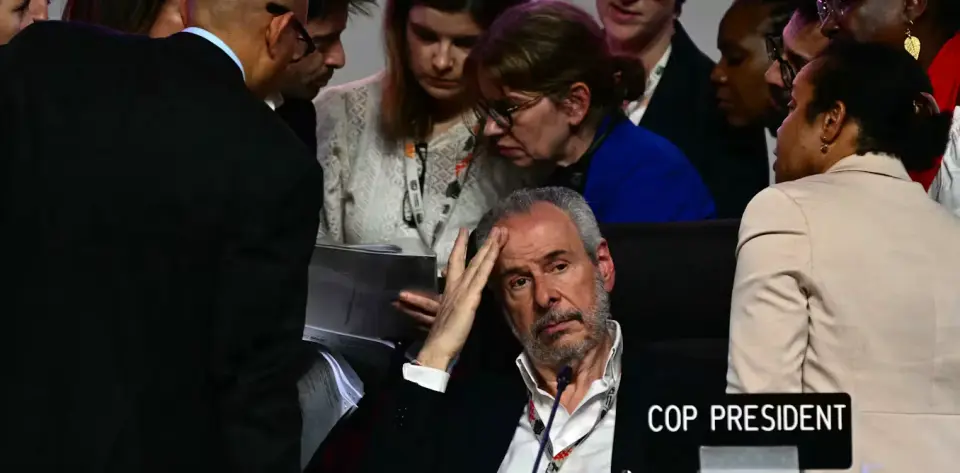
As the 2026 UN climate conference (COP31) begins in Antalya, Turkey, analysis highlights five common tactics used by nations to obstruct meaningful progress without formally rejecting agreements. These include citing affordability to avoid funding commitments, relying on future technology to delay emissions cuts, diluting binding language, failing to deliver pledged aid, and bypassing consensus through procedural shortcuts. The conference runs from November 9 to 20, with observers noting that critical decisions often occur in closed-door sessions where smaller delegations lack influence.
Key points
- COP31 opens November 9 in Antalya, Turkey, with delegates expected to scrutinize tactics that weaken climate outcomes.
- Nations frequently cite budget constraints to avoid meeting the $1.3 trillion annual assistance target demanded by developing countries, offering only $300 billion by 2035.
- The 'stabilization wedge' approach, linked to fossil fuel interests, promotes carbon capture and storage to allow continued fossil fuel use rather than immediate phaseouts.
- Language in agreements has been diluted over time; for example, COP26 changed 'phasing out' fossil fuels to 'phasedown' of unabated coal, excluding oil and gas.
- Pledges often go unfulfilled; the Loss and Damage Fund has paid out zero dollars to disaster-hit nations despite $822 million in pledges, though a provisional $21.6 million was set aside for Nepal after a 2026 flood.
- Procedural tactics, such as 'gaveling through' decisions before all delegates arrive, have prevented objections from small island states and other nations, as seen at COP28 and COP30.
Background
This analysis follows previous UN climate conferences, including COP29 in Baku (2024) and COP30 in Belém, Brazil (2025), where similar obstruction tactics were observed. The 2009 promise of $100 billion in annual climate aid was missed for over a decade, and the 2021 Loss and Damage Fund has struggled to disburse funds. The current COP31 summit in Antalya continues the pattern of global negotiations where consensus is required but often bypassed through procedural maneuvers.
Why it matters
These tactics allow governments to maintain the appearance of climate leadership while weakening binding commitments and delaying necessary emissions reductions. The failure to deliver on financial pledges and the dilution of language regarding fossil fuels undermine the ability to limit global warming to 1.5 degrees Celsius, disproportionately affecting vulnerable nations that did little to cause climate change.
What to watch
Observers will monitor COP31 for decisions on financial support, the role of technology in emissions strategies, and whether procedural fairness is maintained. Key indicators include whether fossil fuel phaseout language survives in final texts and if the Loss and Damage Fund disburses its first payments to affected countries.
Want the full story? Read the original reporting
Read on The Conversation