
Gates of Hell Dim as Methane Hazard Looms If It Goes Cold
TL;DR
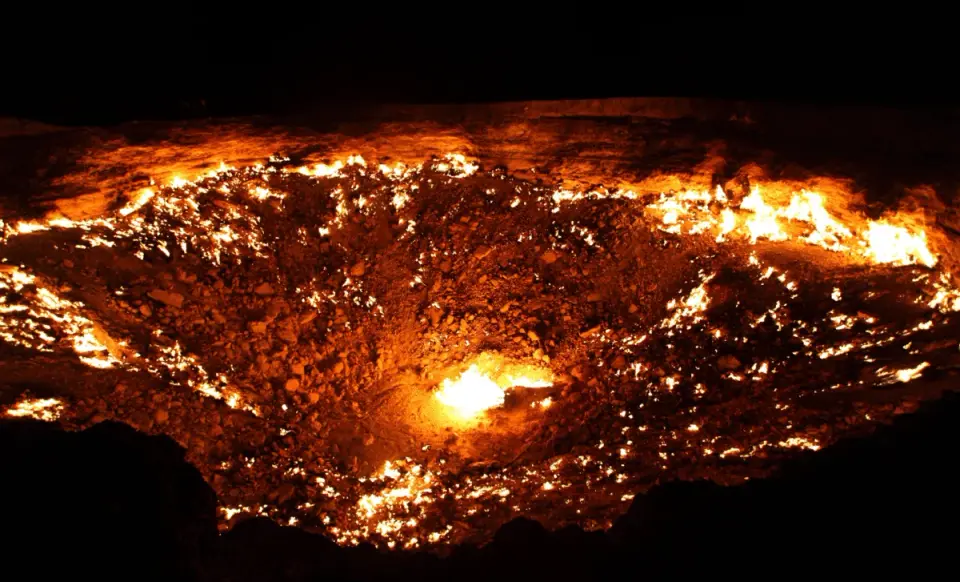
Turkmenistan’s Darvaza gas crater, the famed “Gates of Hell,” is reportedly dimming after more than 50 years of continuous flame. While some attribute the drop to new nearby gas wells, others say natural fading is at play and not fully understood. The concern isn’t merely a fading spectacle: if the flames go out, the methane fueling them could escape into the atmosphere, a potent climate threat since methane traps far more heat than CO2. Emissions rose from about 1,300 kg/hour (2022–2025) to nearly 2,000 kg/hour by late 2025, highlighting an uncertain balance between environmental risks and the spectacle’s disappearance.
- The Fiery "Gates of Hell" Are Finally Dimming After 50 Years, but the Consequences Could Be Worse Than We Think Indian Defence Review
- The ‘Gates to Hell’ Are Dimming. That May Not Be a Good Thing. The New York Times
- Blazing hazards: From Mar-a-Lago to Darvaza, every inferno has an end Türkiye Today
- Turkmenistan’s “Gates of Hell” fires slowly dim but methane concerns remain Latest news from Azerbaijan
- After 50 Years, The Fiery “Gates To Hell” May At Last Be Dimming – But Is That A Good Thing? IFLScience
Want the full story? Read the original reporting
Read on Indian Defence Review