
Swimmer Pugh Crosses Strait of Hormuz Amidst Record Oil Spills in US-Iran Conflict
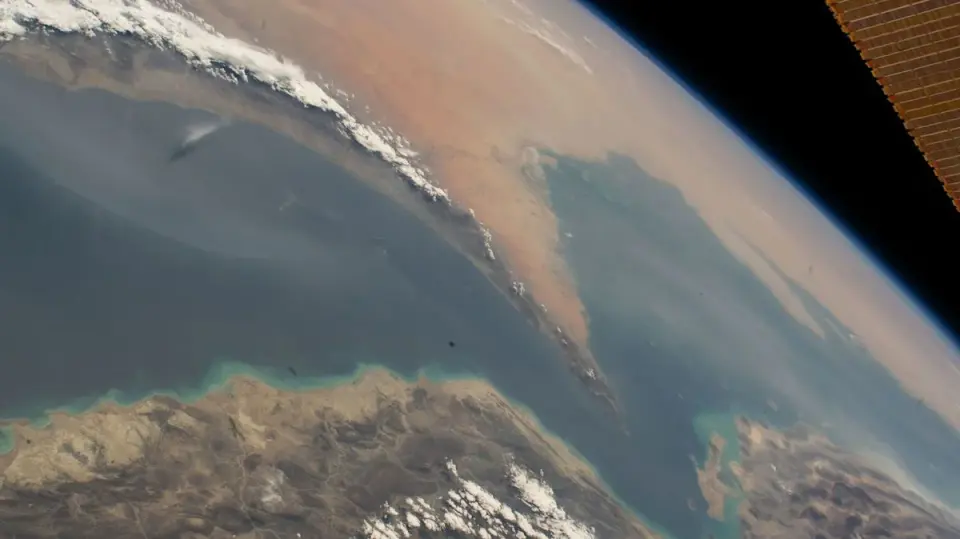
British endurance swimmer Lewis Pugh completed a 15-kilometer crossing of the Strait of Hormuz to highlight the environmental damage caused by the eight-month conflict between the United States and Iran. The swim occurred amidst active attacks on oil tankers, with Pugh witnessing burning vessels and explosions. The conflict has resulted in over 133 attacks on tankers and more than 500 oil spills, contaminating an area the size of Wales. Experts warn that the pollution threatens coral reefs, mangroves, and marine species, with damage potentially lasting for decades due to the shallow nature of the Gulf.
Key points
- Lewis Pugh, a 56-year-old UN Patron of the Oceans, swam 15 kilometers through the Strait of Hormuz over three days, starting from the Musandam Peninsula and finishing at the Cape of Hormuz.
- Pugh reported witnessing an oil tanker struck 30 minutes after he began swimming, with further attacks on commercial shipping occurring during his transit.
- Greenpeace has identified more than 500 oil spill incidents and 133 attacks on oil tankers since the conflict began on February 28, 2026.
- The cumulative mapped area of oil spills is approximately 20,000 square kilometers, nearly equivalent to the size of Wales.
- Marine biologist Bernhard Riegl warns that the shallow Gulf lacks deep water to buffer heat, exacerbating damage to corals and fish, while oil contamination threatens mangroves and seabirds.
- Responsibility for the pollution is shared, with Iran’s Islamic Revolutionary Guard Corps blamed for most tanker attacks, while US forces and the UAE have also contributed to spills through strikes on vessels and storage facilities.
Background
The Strait of Hormuz is a critical waterway for global oil shipments, connecting the Gulf of Oman with the Persian Gulf. Previous conflicts, such as the Iran-Iraq War and the first Gulf War, left lasting contamination in the region, with studies showing that beaches still contain tar from spills in the 1980s. The current conflict has intensified environmental concerns, as the strait’s fragile ecosystem, including coral reefs and mangrove forests, is under severe pressure from both military activity and climate change. UK Foreign Secretary Ed Miliband recently called for diplomatic efforts to end the war and reopen the strait, citing deep economic pain caused by the conflict.
How outlets are covering it
While all sources agree on the scale of environmental damage, they differ in emphasis. Yahoo News focuses on Lewis Pugh’s personal experience and his call to stop the fighting and clean up pollution. Greenpeace and the National Security Journal emphasize the statistical scale of the damage, highlighting the 20,000 square kilometers of contamination and the long-term ecological consequences. Mother Jones and the Associated Press stress the generational impact, noting that oil can remain trapped in sediments and mangrove roots for decades. Marine biologist Bernhard Riegl, cited across multiple outlets, warns that the Gulf’s shallow waters and lack of deep water mixing make the ecosystem particularly vulnerable to heat and pollution. Some sources, such as the Wall Street Journal, point to the UAE’s role in causing the largest oil spill through a strike on Lavan Island, while others focus on the IRGC’s responsibility for most tanker attacks.
Why it matters
The environmental damage from the US-Iran conflict threatens not only marine life but also the livelihoods of coastal communities dependent on fishing. The long-term contamination of the Persian Gulf could have generational consequences, as oil pollution can persist in sediments and mangrove roots for decades. The conflict also highlights the vulnerability of critical global shipping routes to military action, with potential economic and environmental repercussions extending far beyond the region. The inability to conduct ground-based assessments due to the naval blockade complicates efforts to fully understand and address the damage, relying instead on satellite imagery and expert analysis.
What to watch
Environmental organizations continue to monitor oil spills through satellite imagery, but ground-based investigations remain difficult due to the ongoing naval blockade. Some Gulf states have launched cleanup efforts, such as the UAE’s response to the Gem No 2 attack, but the wider environmental damage may prove harder to contain. Experts warn that if the conflict escalates further, the fragile Gulf ecosystem could deteriorate significantly, with long-term consequences for marine life and coastal communities. Diplomatic efforts to end the war and reopen the strait remain a priority, but the environmental damage may persist for decades regardless of the conflict’s outcome.
- Briton swims in Hormuz to highlight ‘environmental cost of war’ Yahoo
- Oil Spills Threaten Persian Gulf Wildlife After Tanker Attacks cwibc.co.id
- Iran Just Got Handed the Bill for the Tanker War: More Than 133 Attacks on Oil Tankers and Damage That Could Last Decades National Security Journal
- Trump’s War Poses a “Generational Threat” to Wildlife in the Persian Gulf Mother Jones
- Strait of Hormuz: Athlete swims through war zone to expose war's environmental toll Yahoo
Want the full story? Read the original reporting
Read on Yahoo