
Swimmer Pugh highlights decade-long ecological damage from Hormuz war
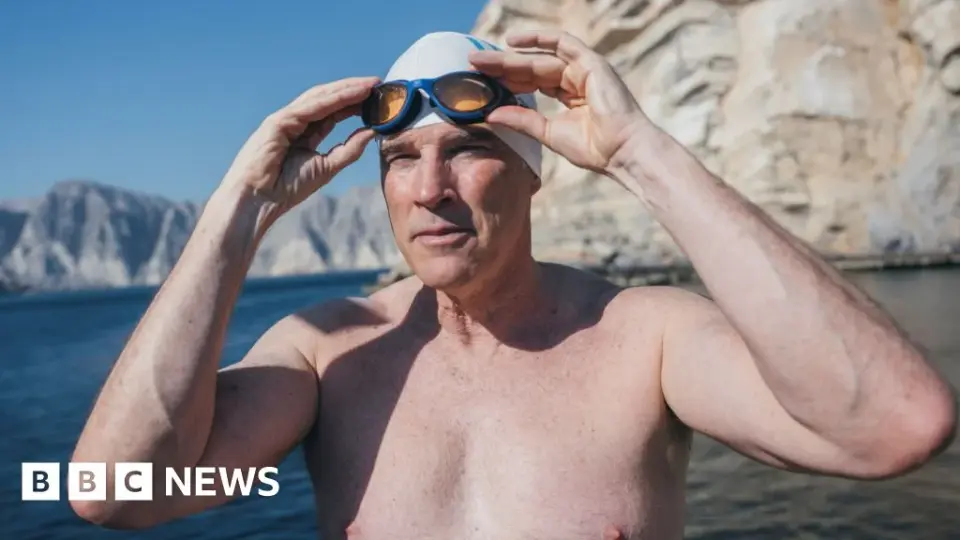
British endurance swimmer Lewis Pugh completed a 15-kilometer crossing of the Strait of Hormuz to draw attention to the environmental devastation caused by the eight-month war between the United States and Iran. Pugh, a UN Patron of the Oceans, swam from Musandam Island to the Cape of Hormuz, witnessing burning vessels and active combat. While his feat highlights immediate risks, broader data indicates the conflict has resulted in over 133 attacks on oil tankers and more than 500 spills, creating a cumulative pollution area the size of Wales. Experts warn that oil trapped in sediments and mangrove roots could damage marine food chains for decades, threatening species such as sea turtles and coral reefs.
Key points
- Lewis Pugh, 56, swam approximately 15 kilometers through the Strait of Hormuz over three days, becoming the first person to attempt a long-distance swim in the waterway since the conflict began in March 2026.
- During the swim, Pugh witnessed a projectile strike an oil tanker and passed close to the burning liquefied petroleum gas carrier Tara Gas, highlighting the immediate danger to seafarers and the marine environment.
- Greenpeace has identified more than 500 instances of oil spills across the Gulf, Strait of Hormuz, and Arabian Sea since the war began on February 28, with October being the worst month for attacks.
- The cumulative area of oil spills is estimated at approximately 20,000 square kilometers, an area comparable to the size of Wales, according to Greenpeace expert Nina Noelle.
- Marine biologist Bernhard Riegl warns that oil pollution can remain trapped in sediments and mangrove roots for decades, causing generational damage to marine ecosystems and coastal communities dependent on fishing.
- The Strait of Hormuz, a critical route for global oil shipments, is home to fragile ecosystems including coral reefs, seagrass meadows, and mangrove forests that support diverse marine life.
Background
The conflict between the United States and Iran, which began in late February 2026, has turned the Strait of Hormuz into a primary battlefield. Previous coverage noted that the war has disrupted global energy markets, leading to significant shifts in LNG trade, such as Qatar's 2054 deal with Cheniere Energy. Recent incidents, including unauthorized tanker routes and naval blockades, have exacerbated maritime tensions and environmental risks in the region.
How outlets are covering it
BBC focuses on the personal narrative of Lewis Pugh and his call for an end to the fighting and environmental remediation, emphasizing the human and ecological cost of war. Mother Jones provides a broader, data-driven analysis of the environmental disaster, citing satellite imagery and expert testimony to quantify the scale of oil spills and their long-term impact on marine ecosystems. While both sources agree on the severity of the environmental damage, BBC highlights the immediate visual evidence of conflict, whereas Mother Jones emphasizes the cumulative, generational threat to the region's biodiversity.
Why it matters
The environmental damage from the Hormuz conflict threatens not only marine biodiversity but also the livelihoods of coastal communities dependent on fishing. The long-term contamination of sediments and mangroves could have irreversible effects on the ecosystem, potentially impacting global food security and climate regulation. The incident underscores the need for international cooperation to address environmental disasters caused by armed conflict.
What to watch
Environmental organizations continue to monitor satellite imagery to assess the full extent of the damage, though ground-level investigations remain difficult due to the ongoing conflict. Authorities in affected countries, such as the UAE and Oman, have initiated cleanup efforts, but experts warn that the recovery of damaged ecosystems could take decades. Diplomatic efforts to end the conflict and reopen the Strait of Hormuz remain critical to preventing further environmental degradation.
Want the full story? Read the original reporting
Read on BBC