
Zavodovski Island’s Chinstrap Penguin Population Plummets 63%, Losing Global Title
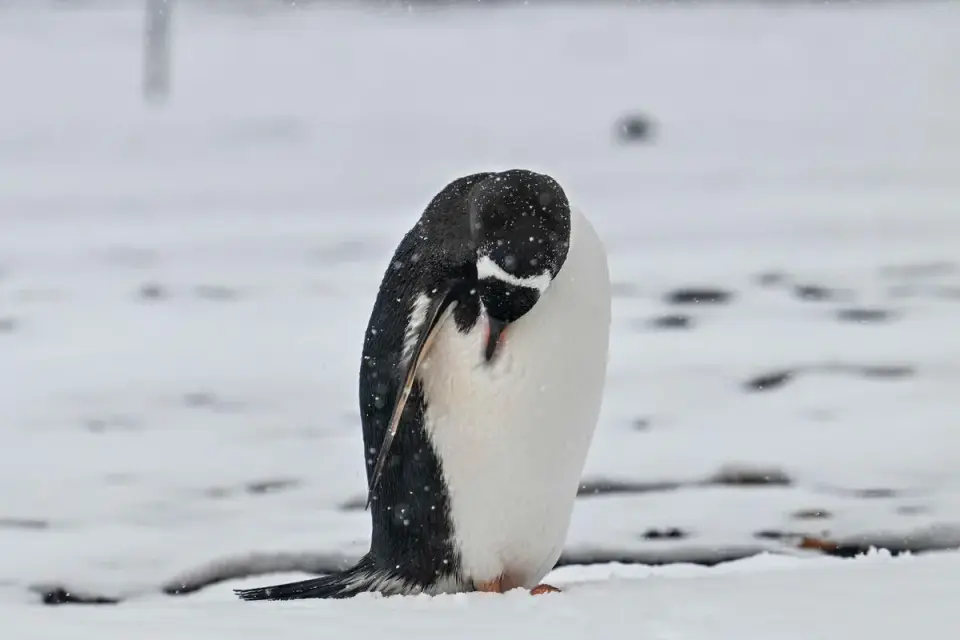
The world’s largest penguin colony on Zavodovski Island has lost two-thirds of its chinstrap penguin population since 2011, with numbers dropping from over a million to approximately 400,000. Published in Current Biology, the study attributes this rapid decline to climate change, which is warming oceans and displacing krill, the penguins' primary food source. While macaroni penguins on the same island have increased by 28%, the loss of chinstraps threatens the local ecosystem balance and may lead to the species being classified as endangered.
Key points
- Chinstrap penguin nests on Zavodovski Island fell by 63% between 2011 and 2025, representing a loss of over half a million breeding individuals.
- The island, part of the South Sandwich Islands, has lost its status as the world’s largest penguin colony, likely to Cape Adare in the Ross Sea.
- Researchers from the British Antarctic Survey (BAS) attribute the decline to fossil fuel-driven warming, which pushes krill southward into the Weddell Sea, beyond the reach of chinstraps.
- Macaroni penguins on the same island increased by 28% between 2011 and 2016, remaining stable since, due to their more varied diet and tolerance for warmer waters.
- The decline rate of 7% annually is two to three times higher than in other Antarctic colonies, raising concerns about a potential ecosystem collapse.
Background
In 2020, The Guardian reported declining chinstrap populations in the South Shetland Islands, raising early concerns about ecosystem health. Our archive from October 2026 noted that Zavodovski’s loss of the 'largest colony' title to Cape Adare was a key development in this ongoing trend. The current study provides the first comprehensive data linking this specific collapse to climate-driven krill displacement.
How outlets are covering it
The Independent and CNN emphasize the sheer scale of the loss, with CNN highlighting that the island has 'lost its title' as the largest colony. The Guardian focuses on the 'enormous population crash' and the risk of wider ecosystem collapse, comparing the situation to a 'Jenga set' where removing one component increases the risk of total collapse. All three sources agree on the primary cause being climate change, but The Guardian uniquely details the specific temperature anomalies, such as the 15.4C record winter high at the Argentinian Esperanza base, to illustrate the severity of warming. CNN and The Independent both note the contrast with macaroni penguins, but The Guardian explicitly warns that if trends continue, 'all penguins would run out of space.'
Why it matters
This collapse signals a critical shift in Antarctic ecosystems, where climate change is not just affecting ice but fundamentally altering food webs. The loss of chinstrap penguins, a specialist species, could trigger cascading effects on other marine life. The study also suggests that chinstrap penguins may soon be reclassified as endangered by the International Union for Conservation of Nature, marking a significant conservation milestone.
What to watch
Scientists will continue to monitor the population trends on Zavodovski Island and other Antarctic colonies. The International Union for Conservation of Nature may review the chinstrap penguin's status for potential reclassification as endangered. Conservation efforts may need to focus on protecting krill habitats and understanding the long-term impacts of warming on specialist species.
- World’s largest penguin colony loses two-thirds of its population The Independent
- This island was home to the planet’s largest penguin colony. Here’s why it just lost that title CNN
- World’s largest penguin colony suffers ‘enormous population crash’ The Guardian
- Inside the Collapse of Earth's Largest Penguin Colony National Geographic
- Iconic penguin colony sees "population collapse" driven by climate change, study finds CBS News
Want the full story? Read the original reporting
Read on The Independent