
EU Proposes €45B Ukraine Loan Backed by Russian Asset Profits
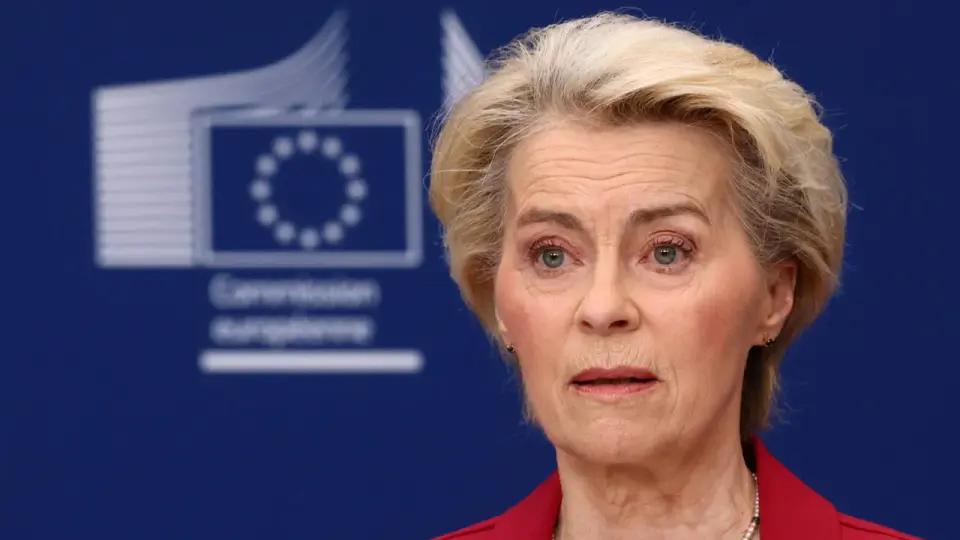
The European Commission has proposed a new €45 billion loan to Ukraine for 2027, to be repaid through future war reparations from Russia. The funds, split between military and civilian support, aim to cover two-thirds of Kyiv’s projected €70 billion financing gap. The plan relies on profits from frozen Russian assets and seeks to secure commitments from non-EU allies while overcoming resistance from several EU member states.
Key points
- Commission President Ursula von der Leyen announced the €45 billion ($49.5 billion) loan proposal on November 18, 2026, in Brussels.
- The loan is designed to cover approximately two-thirds of Ukraine’s anticipated €70 billion financing gap for 2027.
- Funds will be allocated as €25 billion for military support and €20 billion for civilian budgetary needs, such as schools and hospitals.
- Repayment is contingent on Russia paying war reparations; until then, interest from €204 billion in frozen Russian assets held in Euroclear will service the debt.
- The proposal requires approval from all 27 EU member states, with Hungary, Czech Republic, Slovakia, and Bulgaria signaling potential opt-outs or resistance.
- Non-EU G7 nations and triple-A-rated countries like Canada, Australia, and Norway are expected to provide the remaining €25 billion gap through separate loans.
Background
This proposal follows a €90 billion loan agreement reached by EU leaders in late 2025 to fund Ukraine for 2026 and 2027. Recent peace talks in Abu Dhabi and discussions in Brussels have focused on potential territorial concessions and NATO membership, but no breakthrough has been reached. The new loan aims to strengthen Ukraine’s negotiating position by ensuring financial stability during the fifth year of the conflict.
How outlets are covering it
France 24 emphasizes the loan’s role in strengthening Ukraine’s negotiating position and highlights von der Leyen’s statement that repayment depends solely on Russian reparations. AP News provides detailed breakdowns of the fund allocation, noting that €20 billion targets civilian services and €25 billion supports the military, while also detailing the specific non-EU countries expected to contribute. The Financial Times focuses on the financial mechanics, explaining how profits from frozen Russian assets will service the new loan and the existing €90 billion debt, and notes the Commission’s strategy to secure unanimous EU consent to prevent opt-outs by countries like Hungary and the Czech Republic.
Why it matters
The loan addresses Ukraine’s critical financing needs for 2027, ensuring continued military and civilian support during the ongoing conflict. It demonstrates the EU’s commitment to backing Ukraine financially despite internal political divisions and external diplomatic challenges. The reliance on frozen Russian assets and international allies underscores the long-term financial strategy to hold Russia accountable for war damages while maintaining Ukraine’s operational capacity.
What to watch
EU leaders will discuss the loan and the 2028-2034 budget at a two-day summit in Brussels late November 2026. German Chancellor Friedrich Merz has threatened to block the budget unless all member states commit to Ukraine support. The Commission will seek to finalize agreements with non-EU partners to cover the remaining €25 billion gap before the end of the year.
- EU proposes new €45 billion Ukraine loan to be repaid by Russia France 24
- EU proposes €45 billion Ukraine loan, to be repaid after Russia pays reparations Reuters
- EU proposes fresh $49 billion loan for Ukraine as war costs mount AP News
- Brussels to tap Russian frozen asset profits to service new Ukraine loan Financial Times
- EU to Push Reluctant Capitals to Back Fresh Loan for Ukraine Bloomberg.com
Want the full story? Read the original reporting
Read on France 24