
EU Diplomatic Service Abandons High-Level Defence Advisory Group After Member State Pushback
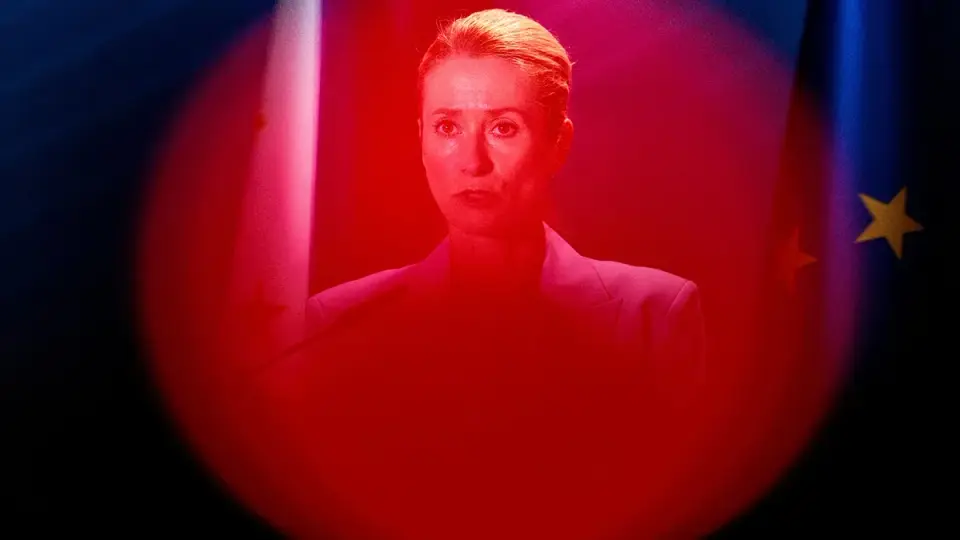
EU High Representative Kaja Kallas cancelled the launch of a new defence advisory group days after announcing it, following strong opposition from member states. The initiative, intended to accelerate European defence capabilities, was shelved before its participants were even named, marking a significant setback for Kallas amid ongoing power struggles with the European Commission over foreign policy control.
Key points
- Kallas announced the advisory group at an informal defence ministers meeting in Ireland on September 1, 2026, but cancelled its launch event in Brussels on September 6, 2026.
- The group was designed to bring together former political and military leaders, including potential chair Anders Fogh Rasmussen, to provide strategic advice on closing European defence gaps.
- Several member states opposed the initiative, viewing it as an inappropriate path for EU defence coordination, leading to its abrupt withdrawal before any members were officially confirmed.
- The cancellation occurred against the backdrop of a Franco-German proposal to place the European External Action Service under the direct supervision of Commission President Ursula von der Leyen.
- An EU official confirmed that while the need for faster defence delivery remains, the specific mechanism proposed by Kallas was rejected in favor of new engagement methods with member states.
Background
This development follows recent internal EU tensions regarding the structure of foreign and defence policy. In late August 2026, France and Germany floated a plan to reorganize the European External Action Service, which would increase the Commission's oversight of diplomatic operations. Kallas had recently appointed new leadership within the service, including former Dutch Defence Minister Kajsa Ollongren, to strengthen her position. The scrapped group was part of a broader effort to relaunch the service's defence focus, but it faced criticism for potentially overlapping with the work of Defence Commissioner Andrius Kubilius.
How outlets are covering it
Euronews frames the cancellation as a significant political defeat for Kallas, highlighting the pressure she faces from member states and the Commission. Politico emphasizes the competitive dynamic between Kallas and the Commission, noting that the group was seen by some diplomats as a way for Kallas to remain relevant against Franco-German reforms. Table.Briefings reported the initial announcement of the task force but did not provide details on the subsequent cancellation. While Euronews and Politico agree on the outcome, they differ slightly on the primary driver: Euronews cites broad member state opposition, while Politico notes a dispute over specific members in Italian local politics as a potential trigger, though another official disputed this account.
Why it matters
The collapse of this initiative signals a fragmentation in EU efforts to streamline defence policy. It underscores the difficulty of implementing top-down reforms when member states resist perceived encroachments on their sovereignty or coordination mechanisms. The incident highlights the ongoing struggle for control within the EU's foreign policy architecture, potentially delaying critical decisions needed to address security gaps in the current geopolitical climate.
What to watch
The European External Action Service is expected to explore alternative methods for engaging with member states on defence issues. The Franco-German proposal to restructure the service under Commission supervision remains a key point of contention. Kallas will likely need to navigate further conflicts with Commission President von der Leyen while attempting to maintain influence over defence strategy without the support of the cancelled advisory group.
- EU diplomatic service scraps new high-level defence group amid pressure from member states Euronews.com
- Kallas scraps new high-level European defense group in fresh blow to her leadership politico.eu
- EXCLUSIVE: France, Germany shoot down new Kallas-led defence group euractiv.com
- EU to gather ‘brightest minds’ to boost defence as Russia threat grows Euronews.com
- EEAS reform: Kaja Kallas establishes a task force composed of former political and military leaders Table.Briefings
Want the full story? Read the original reporting
Read on Euronews.com