
Von der Leyen pitches €2 trillion EU budget for strategic independence amid German-led push for massive cuts
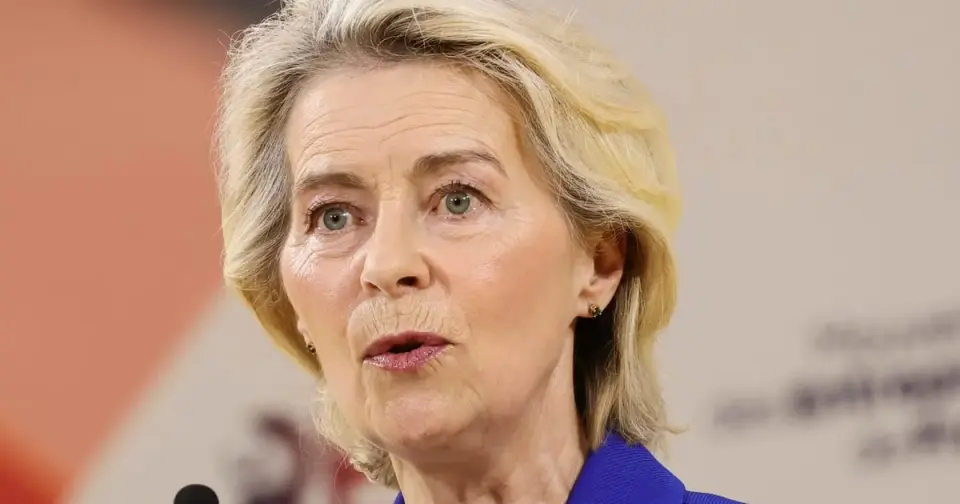
European Commission President Ursula von der Leyen has framed the next seven-year EU budget as the financial engine for European independence from foreign powers, proposing a spending package of nearly €2 trillion. This proposal faces intense opposition from a bloc of six countries led by Germany, which is demanding cuts of several hundred billion euros. The debate centers on how to fund strategic sectors like artificial intelligence, energy, and defense while managing national fiscal constraints. European Council President António Costa is currently mediating between these opposing camps, with governments aiming to reach a compromise before the end of the year to avoid interference from upcoming national election campaigns.
Key points
- Von der Leyen stated that the next budget must serve as the 'financial arm' for Europe's independence from Chinese supply chains, American technology, and imported fossil fuels.
- The Commission has proposed a budget of almost €2 trillion, including over €450 billion for the European Competitiveness Fund and the Horizon Europe research program.
- Germany, Austria, Denmark, Finland, the Netherlands, and Sweden are jointly calling for cuts of several hundred billion euros, arguing the proposed 60 percent increase is unaffordable during a period of national budget consolidation.
- Italy and Spain are leading a separate group advocating for a larger budget to support their economic agendas.
- Czech, Slovak, and Lithuanian leaders have warned against cutting cohesion and agricultural funding, even as they support increased spending on defense and critical infrastructure.
- Governments aim to finalize the budget package by the end of 2026, before national election campaigns in several member states limit their political flexibility.
Background
This budget negotiation follows a period of heightened focus on EU strategic autonomy and defense cooperation. In July 2026, von der Leyen visited Kyiv to discuss a new EU-Ukraine defense industrial partnership for drone development, signaling a shift toward deeper security integration. Additionally, recent diplomatic efforts, such as Canadian Prime Minister Mark Carney's upcoming visit to Strasbourg for the State of the Union, indicate a broader trend of the EU seeking closer partnerships with democracies outside the traditional transatlantic framework, partly in response to trade disputes with the United States.
Why it matters
The outcome of this budget negotiation will determine the EU's capacity to reduce its reliance on external powers for critical technologies and raw materials. A successful compromise could unlock significant investment in artificial intelligence and strategic industries, while a failure to agree could stall essential defense and innovation projects. The resolution also sets the tone for future fiscal policy, balancing the need for European strategic autonomy against the immediate fiscal pressures facing member states.
What to watch
António Costa will continue traveling between capital cities to negotiate a compromise between the budget-cutting bloc and those favoring increased spending. The goal is to reach a final agreement by the end of 2026, ahead of national election campaigns in several EU countries that could restrict governments' ability to make concessions. The specific allocation of funds for cohesion, agriculture, and defense remains the primary point of contention.
- EU budget must bankroll Europe’s independence, von der Leyen says politico.eu
- Six EU net contributors demand hundreds of billions in cuts to bloc's long-term budget Reuters
- Germany news: Merz courts 'frugals' to trim EU budget dw.com
- Press statement by President Costa following the meeting with Prime Minister of Czech Republic, Andrej Babiš consilium.europa.eu
- Germany Leads Call for EU Budget Cuts in ‘Hundred Billion’ Range Bloomberg.com
Want the full story? Read the original reporting
Read on politico.eu