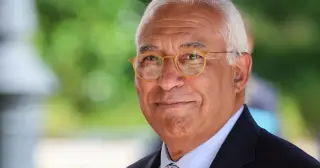
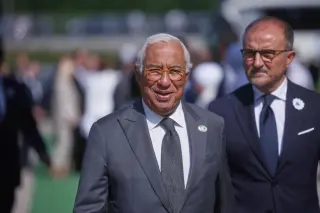
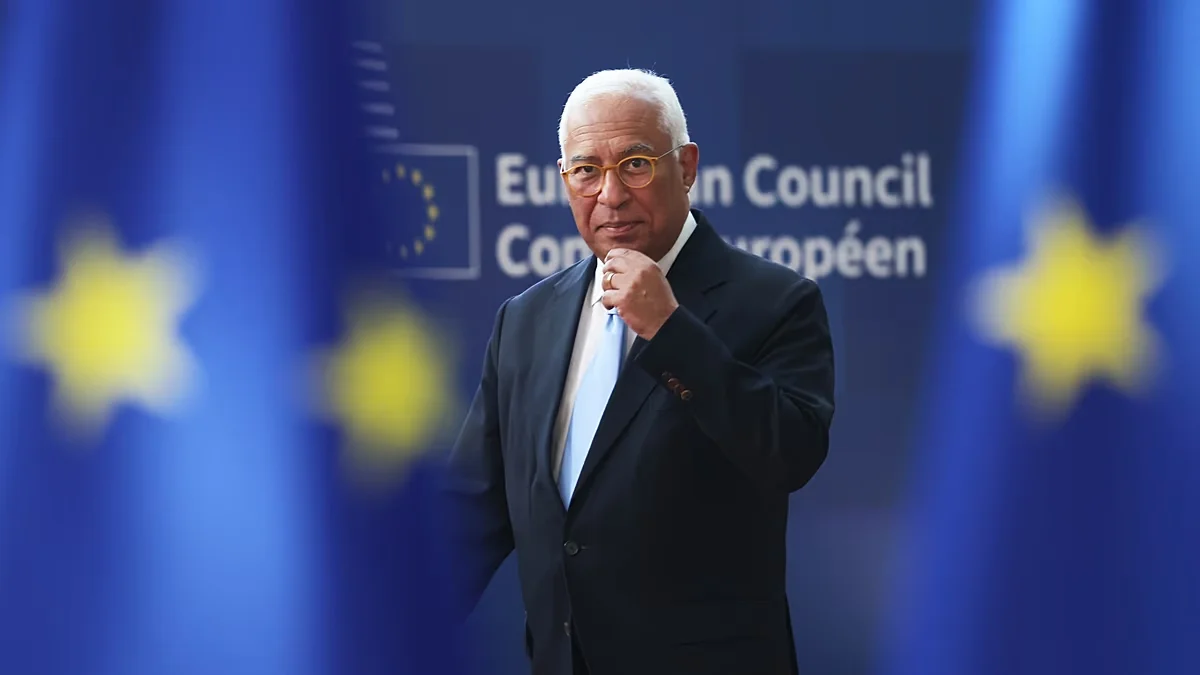
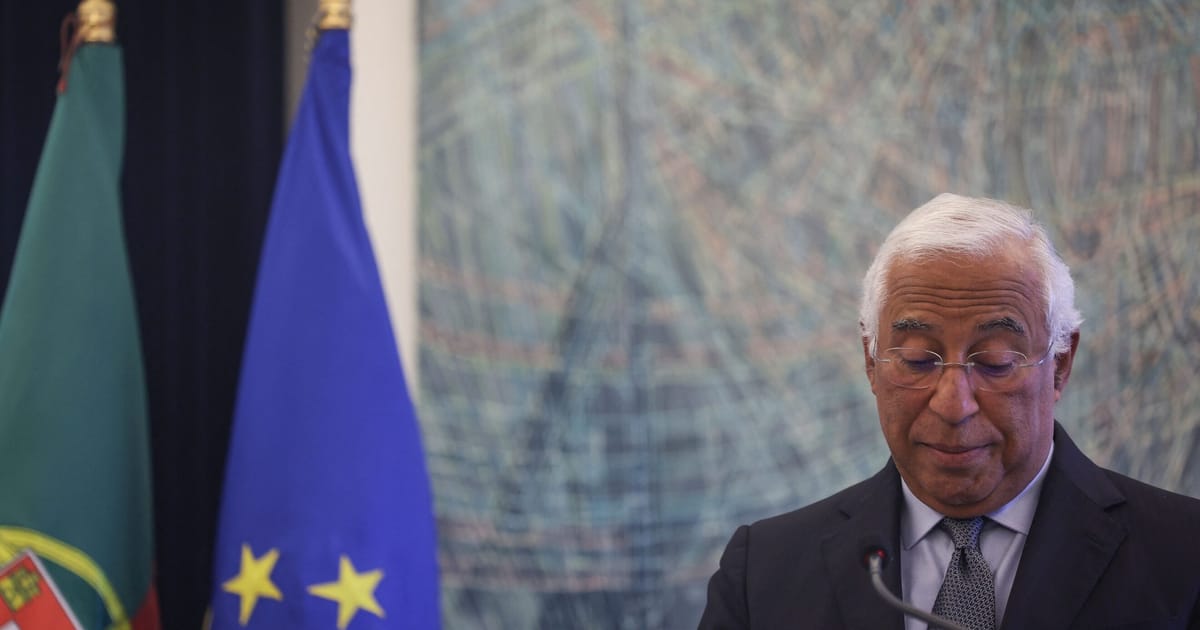
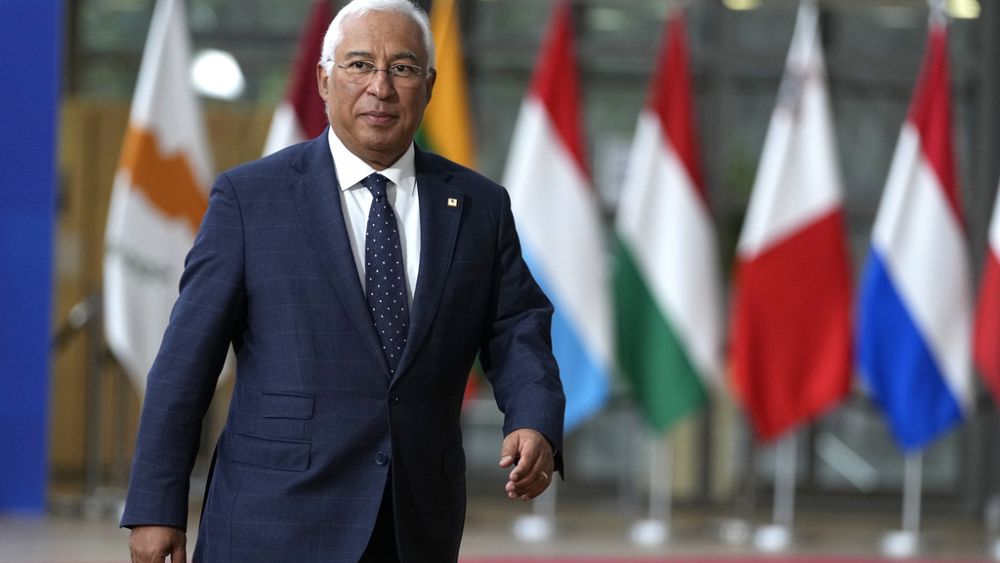
EU Council President António Costa faces private backlash from several leaders after his team contacted Russian officials, highlighting tensions between mediation and Ukraine support as he negotiates the next seven-year €2 trillion budget and eyes reappointment in 2027; while publicly supported, the episode has stirred concerns about balance, with leaders like Macron and Merz among critics.
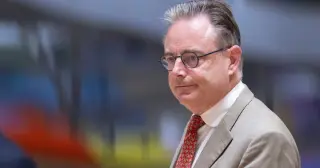
Belgian Prime Minister Bart De Wever quipped at an EU summit that António Costa should represent Europe in talks with Vladimir Putin, highlighting divisions over direct EU outreach to Moscow; Macron and Merz opposed Costa’s outreach, while other leaders supported it, underscoring ongoing questions about who should speak for the bloc in any future negotiations with Russia.
European Council President Antonio Costa said the bloc’s enlargement to Western Balkan countries is real, signaling renewed momentum for their EU bid as he visited Bosnia and Herzegovina’s Srebrenica memorial.
Viktor Orbán vetoes the €90 billion EU loan to Ukraine at the final stage, tying it to the Druzhba oil flow, and forces António Costa, as European Council president, to defend EU unity and past commitments while Kyiv aid hangs in the balance ahead of elections.
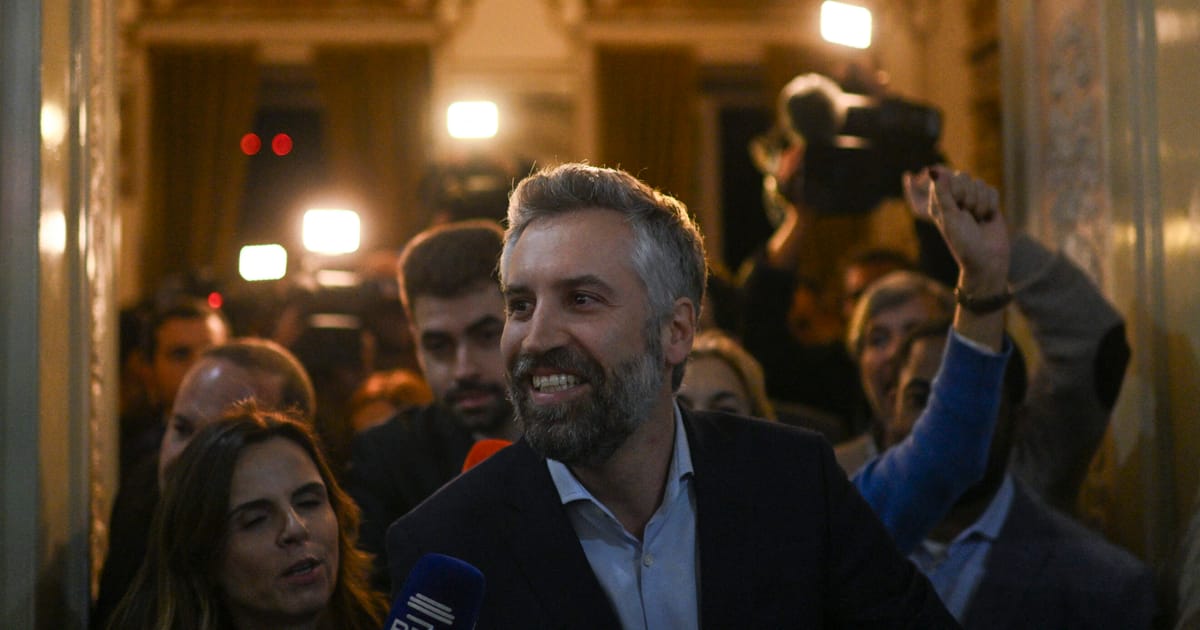
Pedro Nuno Santos has been elected as the new leader of Portugal's Socialist Party (PS) following the resignation of Antonio Costa. Santos, a former infrastructure minister, won the PS election with 62 percent of the vote and will face Luis Montenegro of the center-right Social Democratic Party (PSD) in the upcoming parliamentary elections. The resignation of Costa, who was considered a front-runner for a top EU job, came after a corruption probe was launched against him and members of his administration. The race between PS and PSD is expected to be tight, with the hard-right Chega party potentially disrupting Portugal's two-party system. Santos called for party unity and aims to present an ambitious and reformist project.
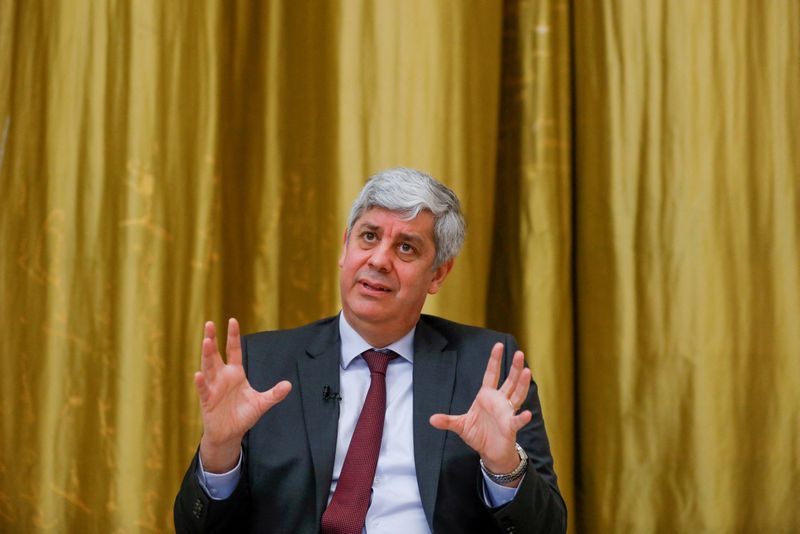
The Bank of Portugal's ethics committee will meet to assess the conduct of governor Mario Centeno, following concerns about his independence after being proposed as a potential replacement for the departing prime minister. Centeno's quick move from the finance ministry to the central bank had previously raised eyebrows. Opposition parties have criticized his lack of independence, while Centeno's links to the Socialist party have come into question. The ethics committee will evaluate the allegation of lack of independence and publish its opinion shortly after the meeting.
António Costa's resignation as prime minister of Portugal has dashed the hopes of Europe's socialists for him to secure a powerful role in Brussels after the 2024 European election. Costa was the socialists' pick to succeed Charles Michel as European Council president, but his resignation due to a corruption probe has thrown his future into uncertainty. Spain's Pedro Sánchez is a potential alternative, but his minority government and challenges from right-wing opposition may make a high-profile post in Brussels appealing. Other former socialist prime ministers, such as Sanna Marin and Mette Frederiksen, face criticism and potential obstacles in securing top EU jobs. Mario Draghi, the former president of the European Central Bank, is considered a long shot due to his technocratic background and lack of party affiliation.
Portugal is facing a political crisis after Prime Minister António Costa unexpectedly resigned following his implication in a corruption probe. President Marcelo Rebelo de Sousa now has the task of appointing a new prime minister or dissolving parliament, potentially leading to an election. Costa's control over the country abruptly ended after police raided his residence and several ministries as part of an investigation into corruption related to lithium exploration schemes and a green hydrogen mega-project. The president has various options, including asking Costa to stay on as caretaker, naming a new prime minister, or dissolving parliament. The Socialist Party, despite being involved in the corruption investigation, still leads in the polls, but forming a coalition government with the far-right Chega group may be necessary for the main opposition party to gain power.
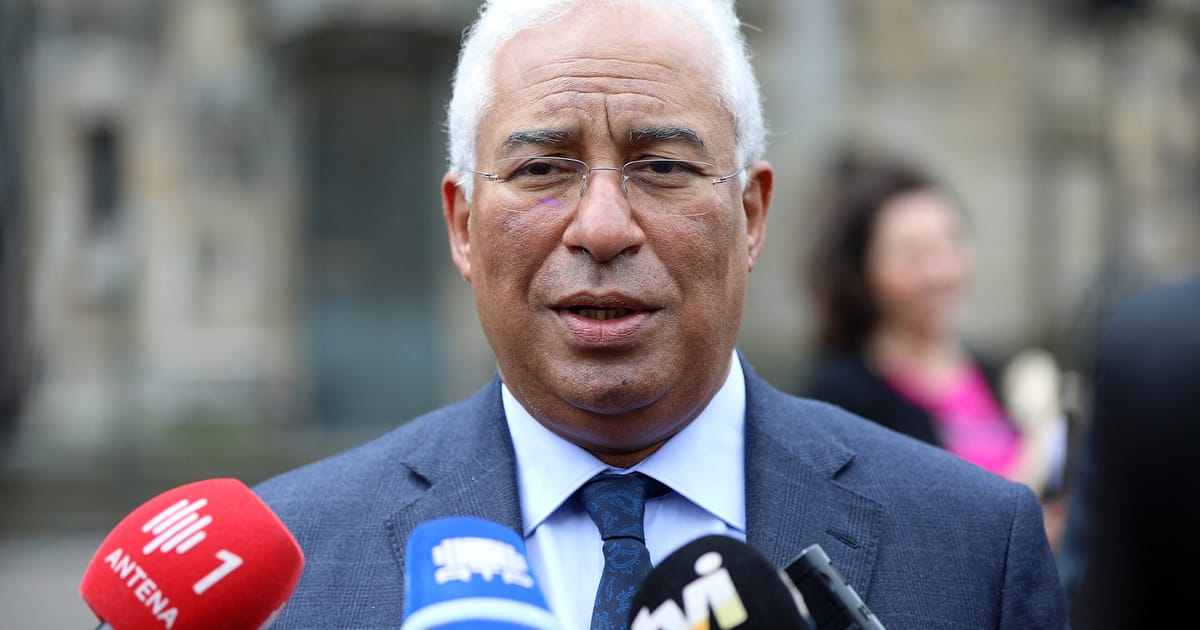
Portuguese Prime Minister António Costa has resigned following an investigation by the Public Prosecutor's Office into alleged crimes of corruption and influence peddling. Costa, who denies any wrongdoing, announced his resignation in a televised address and the president of Portugal quickly accepted it. The investigation focuses on lithium mining concessions, a hydrogen energy production plant, and a data center project. Several government officials have already resigned since Costa's party won the 2022 elections.
Portuguese Prime Minister António Costa finds himself embroiled in a corruption crisis as a scandal unfolds, with investigations underway to determine the extent of his involvement.