
Eiffel Tower CEO to resign after staff strike over gender-based exclusion
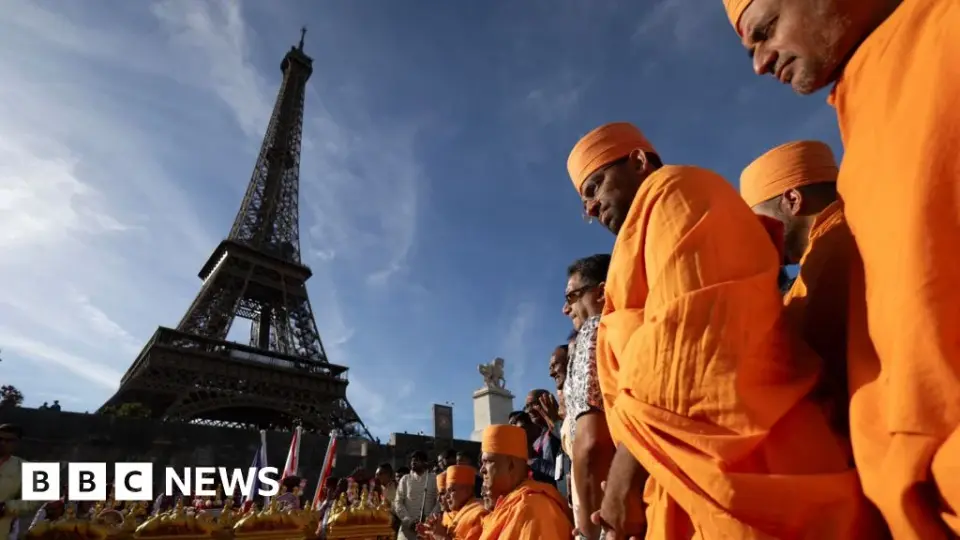
The director general of the company managing the Eiffel Tower, Patrick Branco Ruivo, will step down at the end of 2026 following a scandal where female employees were removed from their posts to accommodate a Hindu religious delegation. An internal investigation confirmed that operational failures led to the 'unacceptable' sidelining of women, prompting a staff strike that closed the landmark. While the organization apologized, French officials condemned the decision as discriminatory, and the operator has pledged new gender equality training and protocols.
Key points
- Patrick Branco Ruivo, who has led the Société d'Exploitation de la Tour Eiffel (SETE) since 2018, announced his resignation effective at the end of the year.
- The decision follows an internal investigation that identified 'operational flaws and shortcomings' in the organization of a visit by the Bochasanwasi Akshar Purushottam Swaminarayan Sanstha (BAPS) group.
- On September 5, female staff were instructed to leave their posts or avoid certain areas to prevent interaction with the BAPS delegation, which strictly separates men and women.
- The incident triggered a staff strike on September 7, forcing the closure of the Eiffel Tower, which attracts 7 million visitors annually.
- SETE chair Ariel Weil has requested the creation of a dedicated protocol department and new training programs to promote gender equality.
- BAPS apologized for 'any pain or inconvenience caused,' stating they believe in mutual respect, while critics argue their 18th-century segregation practices are discriminatory.
Background
This incident follows a series of protests at the Eiffel Tower in early September 2026, where staff walked out in response to the exclusion of female workers during a private visit. Previous coverage highlighted the immediate closure of the landmark and the initial apologies from both the operator and the visiting group, setting the stage for the current leadership transition.
How outlets are covering it
BBC and Le Monde emphasize the severity of the 'unacceptable' removal of female staff and the resulting political backlash, including condemnation from National Assembly president Yaël Braun-Pivet and Paris mayor Emmanuel Gregoire. Politico highlights the connection between BAPS and Indian Prime Minister Narendra Modi’s ruling party, framing the issue within broader diplomatic and gender equality contexts. All sources agree that SETE’s acceptance of the delegation’s conditions was a critical failure, but Le Monde and BBC focus more heavily on the internal investigation’s findings regarding 'operational flaws,' while Politico notes the group's close ties to Hindu nationalist politics.
Why it matters
The resignation of the Eiffel Tower’s chief signals a significant shift in how French public institutions handle requests that conflict with gender equality principles. It underscores the growing scrutiny of religious practices that discriminate against women in public spaces and highlights the potential for labor actions to force accountability in high-profile cultural landmarks.
What to watch
SETE will prepare for a leadership transition over the coming months, implementing new protocols and training programs to prevent similar incidents. The investigation’s findings may lead to further policy changes regarding visitor requests and staff rights at the landmark.
- Eiffel Tower chief to quit after female staff replaced by men during religious visit BBC
- Eiffel Tower director steps down after uproar over removing women staff for Hindu group's visit Le Monde.fr
- Eiffel Tower director to step down after row over sidelined female staff Politico
- Eiffel Tower boss quits over exclusion of women during Hindu visit yahoo.com
- Eiffel Tower chief to quit after female staff told to stay hidden during Hindu group visit The Guardian
Want the full story? Read the original reporting
Read on BBC