
Ukraine’s Precision Drone Strikes Decimate Russian Refining Capacity, Triggering Fuel Crisis
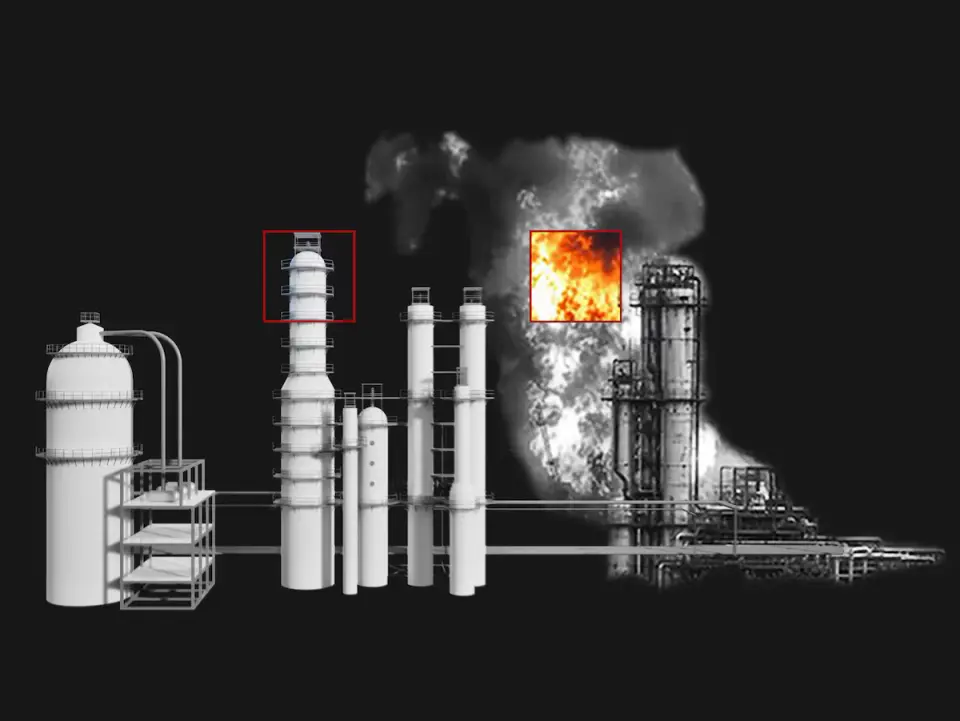
Ukraine’s targeted drone strikes on Russian oil refineries have crippled the country’s energy sector, idling up to 50% of refining capacity and causing a severe fuel shortage. By focusing on specific components like desalting and distillation units, Kyiv exploits international sanctions that prevent Moscow from easily repairing the damage. This strategy has driven up fuel prices and inflation in Russia, prompting President Trump to ease US restrictions on Russian diesel imports, a move criticized by former US envoy Keith Kellogg as a concession to Moscow.
Key points
- Ukraine’s drone campaign targets specific refinery components, such as electric desalters and atmospheric-vacuum distillation units, which are difficult to repair due to EU and US sanctions.
- Between April and August 2026, at least two-thirds of Russia’s 36 major refineries were struck, with some hit up to five times, leading to a 20% rise in fuel prices and a fuel crisis.
- The US government has eased restrictions on Russian diesel imports, allowing up to 3 million tons of shipments, a move that aligns Washington with Moscow against Ukraine’s energy strategy.
- Former US special envoy Keith Kellogg argues that Ukraine should continue strikes, viewing the Russian diesel deal as an attempt to relieve pressure on its energy sector and force Kyiv to halt attacks.
- Ukraine’s strategy is aided by increased drone production, the use of decoys to overwhelm air defenses, and intelligence from Western allies that helps map routes to evade detection.
Background
This escalation follows a series of major Ukrainian strikes on Russian oil hubs in late September and early October 2026, including attacks on refineries in Omsk, Volgrad, and Samara. These operations have reduced Russian oil processing to its lowest level in over two decades, contributing to a nationwide fuel crisis and inflation. The current diplomatic friction over the US-Russia diesel deal is part of a broader pattern of Western pressure on Kyiv to halt strikes on Russian energy infrastructure, a demand Ukraine has rejected in favor of a mutual energy armistice.
How outlets are covering it
The Washington Post emphasizes the technical precision of Ukraine’s strikes, highlighting how targeting specific, sanction-restricted components makes repairs nearly impossible for Russia. In contrast, Kyiv Post focuses on the diplomatic fallout, particularly the US decision to ease sanctions on Russian diesel and the criticism from former envoy Keith Kellogg, who views the deal as a betrayal of Ukraine’s military strategy. While the Post details the economic impact on Russia, including a 1% GDP loss, Kyiv Post frames the issue as a conflict between US domestic interests and the broader war effort, noting that both US Republicans and Democrats have warned that the diesel deal could fund Putin’s war.
Why it matters
The success of Ukraine’s drone campaign demonstrates how targeted strikes on critical infrastructure can achieve strategic economic goals without direct ground combat. The resulting fuel crisis in Russia has not only impacted the Russian economy but also influenced global energy markets and US foreign policy, as Washington attempts to balance domestic fuel prices with its support for Ukraine. This dynamic highlights the growing role of energy warfare in modern conflicts and the complex diplomatic challenges faced by Western nations in supporting Ukraine while managing their own economic interests.
What to watch
Ukraine is expected to continue its drone strikes on Russian refineries, as indicated by both military officials and former US envoy Keith Kellogg. The US-Russia diesel deal, which includes a temporary waiver for Russian diesel imports, may face further scrutiny from US lawmakers who argue it could fund the war effort. Additionally, the ongoing diplomatic negotiations in Miami, involving US envoys and Ukrainian and European negotiators, will likely address the issue of energy strikes, with Ukraine proposing a mutual armistice that has not been accepted by Moscow.
- How Ukraine uses precision drone strikes to hobble Russian oil refineries The Washington Post
- Trump’s deal with Putin will not deter Zelensky from playing his strongest card The Telegraph
- Ukraine says it hit Russia's largest oil refinery Reuters
- Ukraine Strikes Major Russian Oil Hub Hours After Trump’s Deal With Putin Newsweek
- Ukraine Right to Keep Striking Fuel Refineries, Keith Kellogg Says Kyiv Post
Want the full story? Read the original reporting
Read on The Washington Post