
Volunteers Struggle Against Jet Drones as Moscow Airports Close
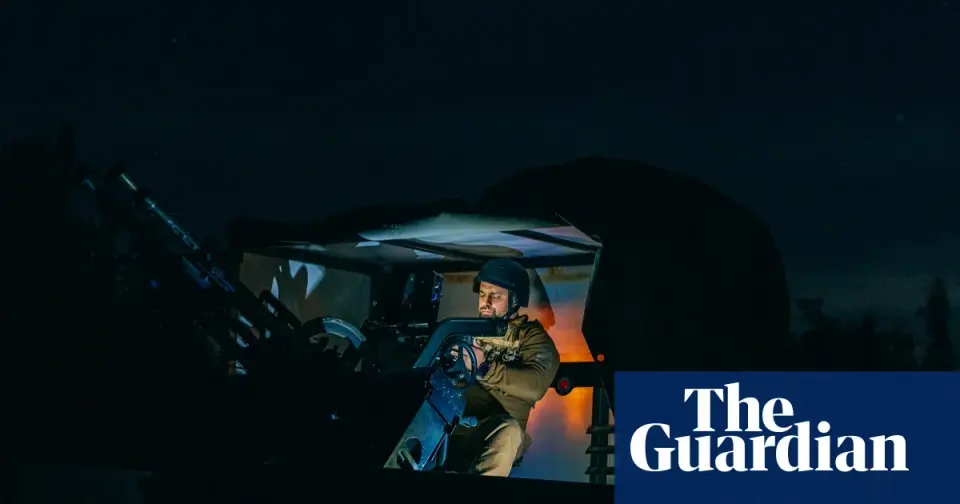
Ukrainian volunteer units in Kyiv face a critical gap in defending against new Russian jet-powered drones, which are too fast for existing machine guns. Simultaneously, drone activity forced all four major Moscow airports to suspend flights on October 9, highlighting the expanding reach of aerial warfare.
Key points
- Russian jet-powered drones travel at 600km/h and reach 10km altitude, exceeding the range of volunteer machine guns.
- Ukraine’s interception rate for these new drones is only 50-60%, compared to higher rates for older propeller models.
- All four Moscow airports suspended operations on October 9 due to drone and balloon threats, causing over 200 flight delays.
- Ukraine is racing to produce jet-powered interceptor drones, but faces a shortage of small jet engines sourced from China.
- Volunteer groups like Mriya rely on Soviet-era and US-made weapons, paying for their own vehicles and fuel.
Background
Since September 2026, Ukraine has been testing various interceptor systems, including German-developed 'SPYS' and 'Nika' missiles, to counter fast Russian drones. In early October, Kyiv deployed automated .50-caliber turrets to improve defense, though success rates against jet variants remain lower than for conventional drones. The current situation reflects a broader technological gap where offensive drone technology is outpacing defensive countermeasures.
How outlets are covering it
The Guardian emphasizes the human toll and technical limitations of volunteer units in Kyiv, noting that crews feel helpless against high-speed targets. Ukrinform and UNITED24 Media focus on the immediate impact on Moscow, detailing airport closures and air defense activity. The Moscow Times provides broader economic context, noting that flight cancellations in Russia have doubled in the first nine months of 2026 due to drone threats, while also citing weather and technical issues as other factors.
Why it matters
The shift to jet-powered drones is transforming the war, forcing cities like Kyiv to become frontline targets and straining Ukraine’s defense capabilities. Simultaneously, the disruption to Russian aviation highlights the growing effectiveness of Ukrainian long-range strikes and the increasing vulnerability of Russian infrastructure.
What to watch
Ukraine aims to produce enough jet-powered interceptors within three to four months to match Russian capabilities. However, experts warn that Russia may continue adapting its drone technology, leading to an ongoing 'life-or-death race' in aerial warfare.
- ‘A life-or-death race’: the volunteers protecting Kyiv’s skies from new jet-powered drones The Guardian
- Ukrainian Drones Close Moscow Airports as Putin Flies Back to Russia The New York Times
- Drones and balloons attacking Moscow and Moscow region as four airports shut down Ukrinform
- Mysterious Balloons and Drones Trigger Shutdown of All Four Moscow Airports UNITED24 Media
- All 4 Moscow Airports Restrict Flights Amid Drone Attack The Moscow Times
Want the full story? Read the original reporting
Read on The Guardian