
Kremlin Expands 'Wet Work' Campaign Against European Arms Executives
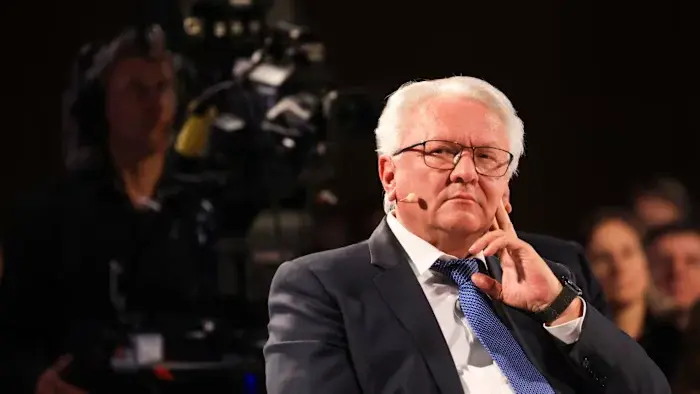
Western intelligence agencies warn that Russia is intensifying assassination plots against European defence executives to disrupt support for Ukraine. The GRU is using organized crime networks and cross-border cells to target leaders of major arms firms and smaller drone manufacturers. While some plots have been thwarted, the psychological impact aims to deter European companies from supplying Kyiv, prompting increased private security measures across the sector.
Key points
- Five European intelligence services confirmed that the Kremlin has ordered an expansion of sabotage and hybrid operations, specifically targeting civilian defence leaders.
- The GRU is shifting from single 'disposable' agents to complex operations involving organized crime groups and divided cells for reconnaissance and execution.
- Germany’s BfV has increased outreach to defence companies, recommending private close-protection teams after warning lawmakers about deliberate state-planned violence.
- Executives at major firms and smaller drone manufacturers have escalated security measures in the past six months, with some relocating production sites to mitigate risks.
- Intelligence officials note that the primary goal is psychological, aiming to make executives hesitate before doing business with Ukraine, even if physical attacks are not carried out.
Background
This escalation follows the 2024 uncovering of a plot against Rheinmetall CEO Armin Papperger, which NATO confirmed in January 2025. Recent months have seen a broader pattern of Russian hybrid aggression, including drone incursions near NATO borders and cyber operations, as noted in earlier coverage of Estonian and NATO security concerns. The current threat represents a shift from traditional state-on-state conflict to targeted violence against the civilian infrastructure of European rearmament.
How outlets are covering it
The Financial Times provides the most detailed account, citing five intelligence agencies and highlighting the shift in GRU methods toward organized crime partnerships. United24 Media corroborates the FT’s findings, emphasizing the financial burden on smaller startups and the relocation of production sites. Ukrainian Pravda mirrors the FT’s narrative closely, focusing on the psychological intent behind the plots. All three sources agree on the involvement of the GRU and the BfV’s response, but the FT uniquely details the specific operational changes, such as the division of tasks among different cells, while United24 highlights the economic impact on the industry.
Why it matters
The targeting of defence executives signals a new phase in Russia’s hybrid warfare, aiming to decouple European industry from Ukraine through fear. If successful, this could slow the pace of European rearmament and reduce the flow of critical military hardware to Kyiv. The involvement of organized crime complicates international investigations and suggests a long-term, sustained campaign rather than isolated incidents, potentially influencing European security policy and corporate risk management strategies.
What to watch
Expect continued increased security spending and private protection contracts for European defence firms. Intelligence services will likely maintain heightened surveillance of 'pattern-of-life' activities near executives' homes and workplaces. European governments may further integrate security advisories into corporate compliance, while smaller firms may face pressure to consolidate operations or relocate to safer jurisdictions to mitigate the threat.
- Russia steps up bid to kill European defence chiefs, spy agencies warn Financial Times
- Russia steps up bid to assassinate European defence chiefs, intelligence agencies warn - report i24NEWS
- Russia Launches Manhunt for Europe’s Top Defense Executives, FT Reports UNITED24 Media
- As Putin wages shadow war, Europe looks for a way to hit back | Analysis The Seattle Times
- Russia steps up assassination attempts targeting defence company executives in Europe, FT says Українська правда
Want the full story? Read the original reporting
Read on Financial Times