
Lavrov Dismisses Berlin’s UN Talks as Empty, Rejects Calls to Halt Escalation
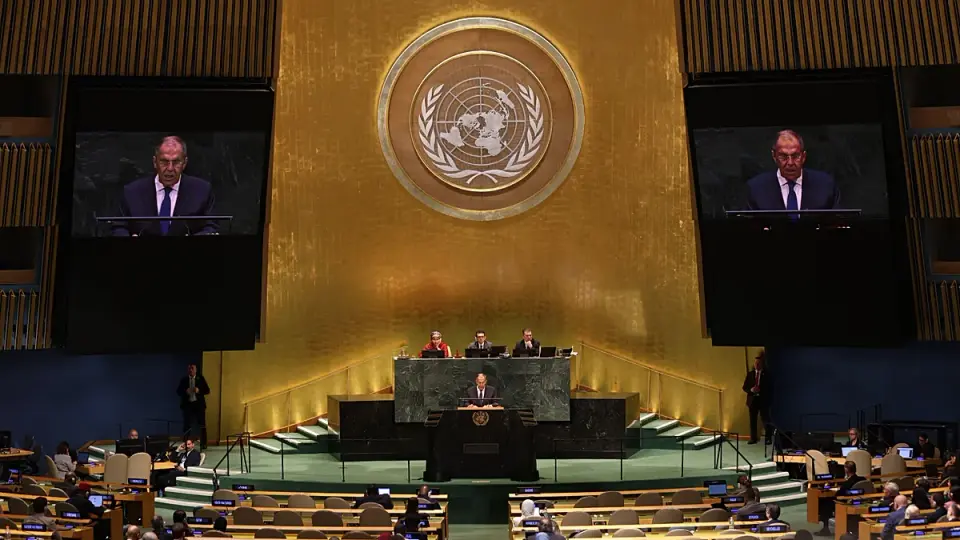
Russian Foreign Minister Sergey Lavrov met German counterpart Johann Wadephul at the UN General Assembly, marking the first high-level bilateral talks since 2022. Lavrov dismissed the meeting as unproductive, stating he learned nothing new from Berlin’s public statements. Wadephul urged Moscow to halt 'dangerous escalation' and resume Black Sea grain exports, while Lavrov accused Germany of being Ukraine’s 'main sponsor' and warned against German military rearmament. The encounter occurred amid heightened tensions following a disputed drone incident in Leipzig and broader Western concerns over Russian hybrid warfare tactics.
Key points
- Sergey Lavrov and Johann Wadephul held their first face-to-face meeting since Russia’s 2022 invasion of Ukraine on September 26, 2026, in New York.
- Lavrov criticized the dialogue, claiming Wadephul merely reiterated official condemnations without offering new proposals, and accused Berlin of acting as Ukraine’s primary sponsor.
- Wadephul pressed Moscow to abandon 'dangerous escalatory steps' and prioritize agreements on Black Sea grain exports to address global food shortages.
- Lavrov warned that German Chancellor Friedrich Merz’s push to restore Germany as a leading military power risks repeating the errors of World War II.
- The meeting followed a sharp deterioration in relations after Berlin accused Moscow of a drone attack at Leipzig/Halle airport, leading to the closure of Russian diplomatic and cultural facilities in Germany.
Background
This diplomatic friction follows a series of escalating incidents in 2026, including a suspected Russian plot against European leaders and drones targeting Ukrainian President Volodymyr Zelenskyy’s aircraft in Moldova. These events have raised Western fears of a 'conflict conveyor belt' strategy by Moscow. Additionally, recent domestic developments in Russia, such as record recruitment incentives for foreign soldiers and a parliamentary supermajority for United Russia, suggest the Kremlin is consolidating internal support for continued military operations despite economic strains.
How outlets are covering it
Euronews highlights Lavrov’s rhetorical aggression, focusing on his historical comparisons to World War II and his dismissal of the meeting’s value. CNN, citing Reuters, emphasizes the pragmatic aspect of the talks, noting that Wadephul specifically sought solutions for Black Sea grain exports and energy infrastructure. While Euronews frames the interaction as a clash of ideologies, CNN presents it as a rare channel for discussing logistical necessities amidst frozen diplomatic relations. Both sources agree that the Leipzig drone incident remains a central point of contention, with Berlin viewing it as a hybrid attack and Moscow labeling it a 'fabricated provocation.'
Why it matters
The meeting signals that despite frozen formal relations, back-channel or high-level diplomatic contacts may still occur to address critical issues like food security. However, the lack of substantive progress suggests that without a ceasefire or significant shift in Russian policy, Western nations may continue to rely on unilateral sanctions and military support for Ukraine rather than expecting diplomatic breakthroughs. The tension also underscores the risk that hybrid attacks could trigger a broader conventional conflict in Europe.
What to watch
Analysts expect continued pressure on Russia regarding Black Sea navigation, with Germany potentially coordinating with other European allies to enforce stricter border controls and sanctions. Lavrov’s warning about German military rearmament may prompt Berlin to accelerate its defense budget increases. Meanwhile, the Kremlin is likely to maintain its stance of 'escalation by attrition,' using hybrid tactics to test Western resolve while avoiding direct conventional confrontation.
- Russian foreign minister rejects Berlin's call to abandon escalation Euronews.com
- Russian Foreign Minister Vows Russia Will See Ukraine War Through The New York Times
- German foreign minister says Lavrov meeting driven by Russia security concerns Reuters
- Russia's top diplomat rejects German calls to ease off its `dangerous' escalation toward the country apnews.com
- At UN, Russia and Germany’s top diplomats hold first talks since invasion of Ukraine edition.cnn.com
Want the full story? Read the original reporting
Read on Euronews.com