
Houthis seize Perim Island and Mocha, threatening critical Red Sea oil routes
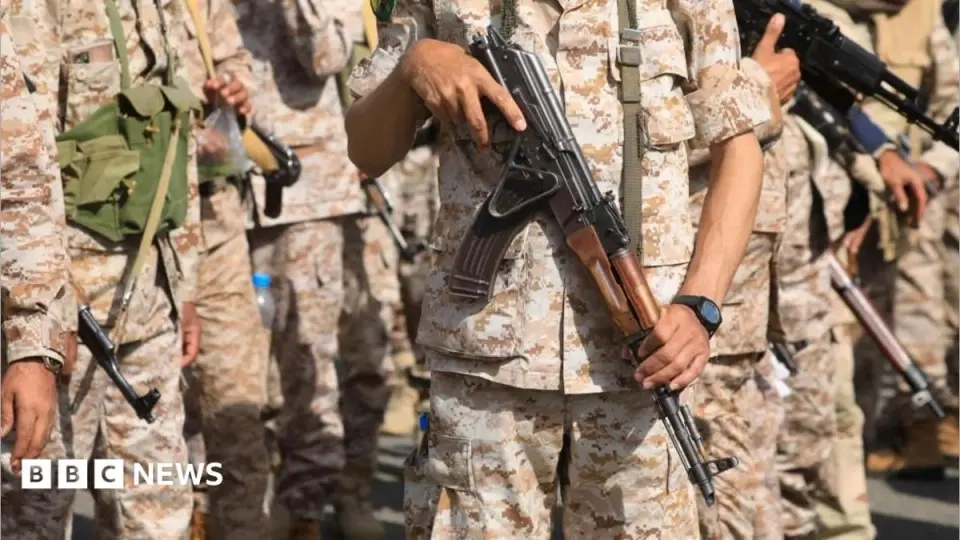
Iran-backed Houthis have captured the strategic island of Perim in the Bab al-Mandab Strait and the Red Sea port city of Mocha, marking a significant military advance. This move threatens to disrupt global shipping and Saudi oil exports, which have increasingly relied on the Red Sea route since the Strait of Hormuz was effectively closed by the US-Iran war. Oil prices have surged above $100 per barrel as markets assess the mounting supply risks, while the UN reports at least 46,000 people have been displaced by the escalating conflict in Yemen.
Key points
- Houthis have taken control of Perim Island (also known as Mayyun) in the Bab al-Mandab Strait, a key chokepoint for global shipping, according to AFP and a local government source.
- The group also seized the Red Sea port city of Mocha on September 10, 2026, a move described as a 'major blow' to Saudi Arabia and its backed forces by analysts.
- Saudi Arabia has rerouted up to 70% of its crude exports through the East-West pipeline to the Red Sea port of Yanbu since the Strait of Hormuz was disrupted by the US-Iran war in February 2026.
- Oil prices have risen above $100 per barrel for the first time since mid-May 2026, with Brent crude trading at $105.37 and WTI at $100.76, reflecting fears of further supply disruptions.
- The UN reports that at least 46,000 people have been displaced in Yemen due to the escalating fighting, exacerbating an already severe humanitarian crisis.
- Houthi military spokesman Yahya Sarea declared a 'large-scale' military operation against Saudi-backed forces a 'success' but did not explicitly mention Perim Island in his statement, only reiterating a blockade on Saudi vessels.
Background
This escalation follows a series of Houthi attacks on Red Sea shipping since the US and Israel began strikes on Iran in February 2026. In August 2026, the Houthis launched the first deadly missile strike on a cargo ship south of Mocha, killing six crew members. Prior to that, tanker attacks near Oman and a drone strike on Egypt's Damietta Port had already raised concerns about spillover effects on global energy routes. The current advance by the Houthis into Perim Island and Mocha represents a significant shift in the dynamics of the Yemeni civil war, which has been ongoing since 2014, and adds to the pressure on global energy supplies as the Strait of Hormuz remains largely closed.
How outlets are covering it
BBC News emphasizes the strategic significance of the Houthi advance, highlighting the threat to the Bab al-Mandab Strait and the potential impact on Saudi oil exports. It notes that the Houthis' lightning advance took many observers by surprise, though some analysts argued it was inevitable due to a lack of coordination among anti-Houthi forces. CNBC focuses on the economic implications, particularly the impact on oil prices and the growing threat to shipping routes, citing analysts who warn that both Tehran and Washington believe time is on their side, making a truce unlikely. AP News, while largely obscured by technical code in the provided text, is referenced by CNBC as citing Yemeni and Houthi officials regarding the seizure of Mocha. The US State Department, as reported by BBC, stated it is in 'regular communication' with regional allies and remains focused on counterterrorism goals, but did not comment specifically on the Houthi advance. There is a slight discrepancy in the reporting of the Houthi statement, with BBC noting that the statement did not explicitly mention Perim Island, while other reports confirm the capture of the island.
Why it matters
The Houthi capture of Perim Island and Mocha poses a direct threat to global shipping and energy supplies, particularly for Saudi Arabia, which has heavily relied on the Red Sea route for oil exports since the Strait of Hormuz was disrupted. This could lead to further increases in oil prices, exacerbating inflation and economic pressures globally. The escalation also highlights the fragility of the peace in Yemen and the potential for wider regional conflict, with implications for international security and humanitarian aid.
What to watch
The situation is likely to remain tense, with the Houthis potentially using their new positions to exert further pressure on Saudi Arabia and global shipping routes. Oil prices may continue to fluctuate based on the severity of the conflict and any potential disruptions to the Bab al-Mandab Strait. The US and its allies are expected to monitor the situation closely, with the possibility of increased military or diplomatic engagement. The humanitarian situation in Yemen is also expected to worsen, with more displacement and potential shortages of aid.
- Iran-backed Houthis reportedly reach strategic island in key global shipping route BBC
- Iran-backed Houthis seize key port in Yemen, advance on another vital oil choke point cnbc.com
- What Houthi Gains In Yemen Mean For The Iran War Radio Free Europe/Radio Liberty
- Yemen's Iranian-backed Houthis seize an island in a key strait, opening a new front in the Iran war AP News
- Iran-Backed Houthis Take Effective Control of Key Red Sea Chokepoint WSJ
Want the full story? Read the original reporting
Read on BBC