
Riyadh Airport Strike Kills 12, Wounds 300 Amid Escalating Houthi-Saudi Conflict
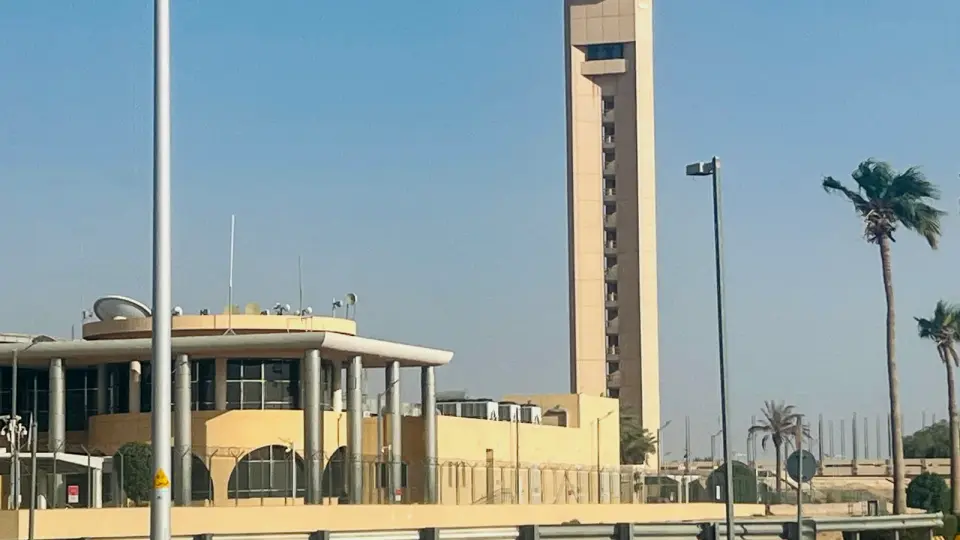
A missile strike on King Khalid International Airport in Riyadh killed 12 people and injured over 300, marking the deadliest attack in the Gulf since the Iran war began. The incident, which occurred on Saturday, followed a week of escalating violence between Saudi-led coalition forces and Iran-backed Houthi rebels in Yemen. The attack damaged terminals for domestic flights and forced the suspension of all airport operations until midnight. President Donald Trump indicated the U.S. might join Saudi strikes against the Houthis, while Saudi Arabia faces dwindling missile interceptor stocks and has requested air defense support from allies including France and Britain. The violence has rattled global markets and led multiple airlines to suspend flights to Saudi Arabia, with the European Union Aviation Safety Agency warning of increased risks to civil aircraft in the region.
Key points
- Twelve people were killed and over 300 injured in a missile strike on King Khalid International Airport in Riyadh on Saturday, with some victims in critical condition.
- The victims included four Saudi citizens, two Bangladeshi nationals, a Palestinian, a U.S. citizen, an Egyptian, a Jordanian, a Syrian, and a Sudanese national.
- The attack is the deadliest in a Gulf Arab country since the start of the Iran war and follows a surge in Houthi attacks on Saudi infrastructure, including other airports and oil facilities.
- President Donald Trump stated he is evaluating whether the U.S. should join Saudi strikes against the Houthis, noting that Washington moves quickly on such decisions.
- Saudi Arabia is reportedly running low on missile interceptors and has requested air defense support from France, Britain, Pakistan, and Egypt, while the U.S. has provided intelligence and target identification.
- Airport operations in Riyadh were suspended until midnight, with flights diverted elsewhere and heavy police presence at the site, which had its lights dimmed and entrances blocked.
Background
This incident follows a rapid escalation in the conflict between Saudi-led coalition forces and Houthi rebels in Yemen. In early October 2026, the Saudi-led coalition launched a major military offensive to reverse Houthi gains along the Red Sea coast, including the retaking of the port of Mocha. Prior to the Saturday attack, the Houthis had claimed multiple strikes on Saudi airports, including King Khalid International Airport and Abha International Airport, which killed three people and wounded 36 others on October 8. The Houthis have stated they are targeting Saudi shipping and infrastructure in retaliation for a blockade imposed on them, while Saudi Arabia has accused them of broader aggression. The conflict has also intersected with the wider Iran war, where Iran has been attacking ships in the Strait of Hormuz, prompting concerns about alternative shipping corridors through the Red Sea.
Why it matters
The attack highlights the vulnerability of critical infrastructure in the Gulf region to cross-border missile strikes and underscores the potential for the conflict to expand into direct U.S. military involvement. The depletion of Saudi missile interceptors and the request for international air defense support indicate a strain on regional security capabilities. Additionally, the suspension of flights and warnings from aviation authorities signal significant disruptions to global air travel and trade routes, with potential economic repercussions for oil markets and international logistics.
What to watch
The U.S. is expected to make a decision on whether to join Saudi strikes against the Houthis, as indicated by President Trump. Saudi Arabia is likely to continue seeking air defense support from allies to replenish its interceptor stocks. The Saudi-led coalition may intensify its military offensive in Yemen to counter Houthi advances, while the Houthis may continue targeting Saudi infrastructure and shipping. Global airlines may maintain suspensions of flights to Saudi Arabia, and aviation authorities may issue further warnings regarding risks in the region. Diplomatic efforts, including discussions between Saudi and Omani foreign ministers, may continue to seek de-escalation, though the immediate trajectory suggests further military escalation.
Want the full story? Read the original reporting
Read on CNBC